

Bridging the Gap Between Catwalk and Closet
Runway shows and street style serve as endless wells of fashion inspiration. Yet translating these bold, often avant-garde ideas into wearable, commercial knitwear remains a major challenge. This is where a skilled women’s sweater manufacturer steps in—acting as the critical bridge between catwalk drama and everyday closet staples. For women’s fashion brands, partnering with a manufacturer that masters this translation is key to staying competitive. Such a partner doesn’t just follow trends; they refine and adapt them to meet real-world needs. Below, we explore the step-by-step process of turning fashion trends into best-selling women’s knitwear.
Spotting the Trend: Key Shapes, Textures, and Colors for the Season
The journey begins with trend spotting, a mix of data analysis and creative intuition. Top manufacturers closely monitor global fashion weeks, street style hubs, and trend forecasting reports. They identify core elements that will resonate with consumers—from silhouettes and textures to color palettes. For example, a season might lean into oversized silhouettes, chunky ribbed textures, or earthy terracotta tones. Manufacturers also distinguish between fleeting fads and long-lasting trends, helping brands invest wisely. Moreover, they tailor these trends to the women’s market, focusing on shapes that flatter diverse body types and textures that feel luxurious yet comfortable.
The Adaptation Challenge: Making High-Fashion Ideas Produzible
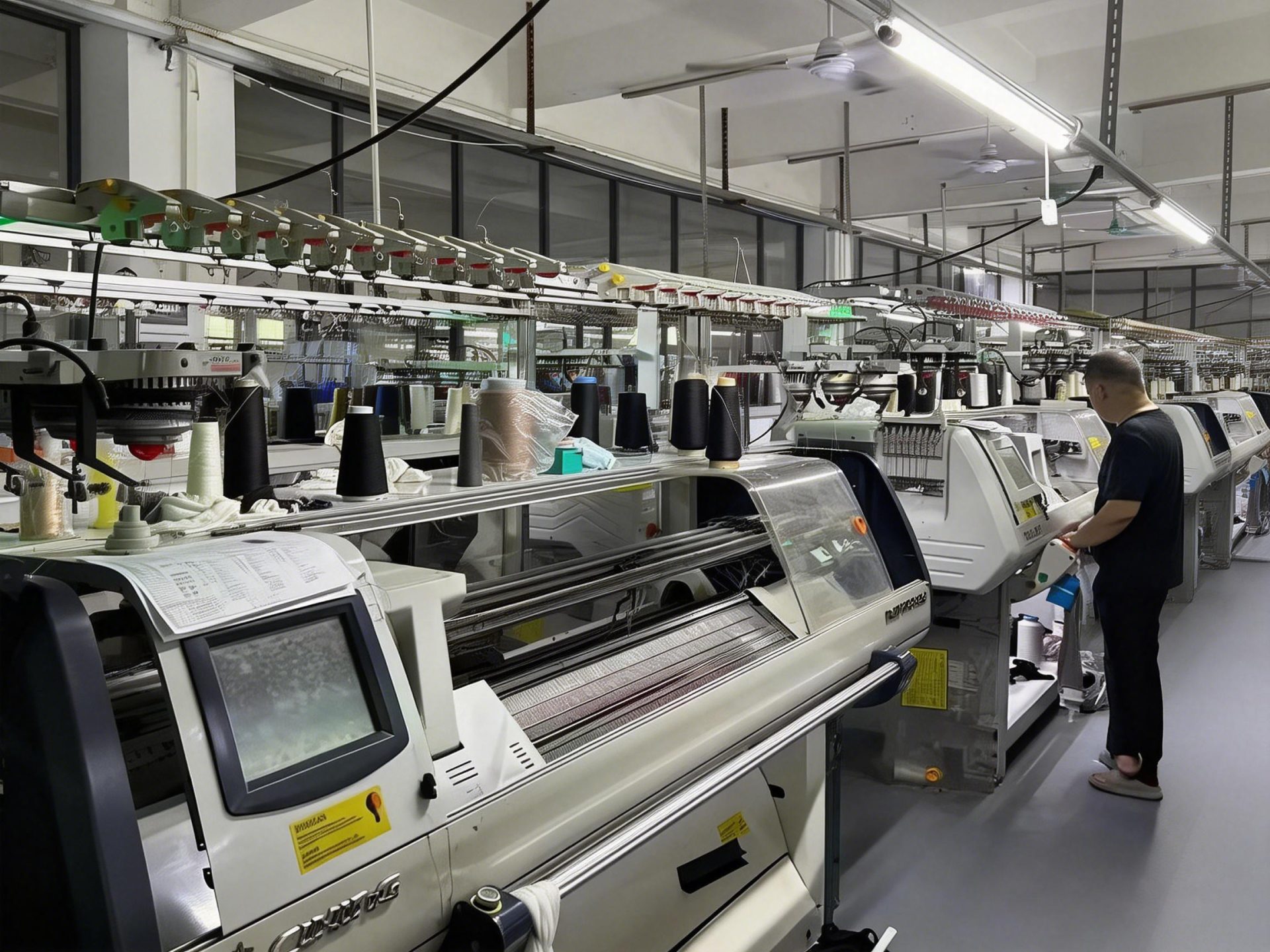
The biggest hurdle in trend translation is adapting high-fashion ideas for mass production. Runway pieces often feature intricate, hand-crafted details that are too time-consuming or costly to replicate at scale. Skilled manufacturers rise to this challenge by simplifying designs without losing their core appeal. For instance, a hand-knit runway sweater with complex cable patterns might be reworked using computerized knitting machines. This maintains the pattern’s visual impact while boosting production efficiency. Similarly, overly dramatic silhouettes might be adjusted for better mobility and fit. The goal is to keep the trend’s essence intact while ensuring the garment is practical to produce and wear.
Selecting Commercial Fabrics that Mimic Designer Looks
Fabric selection is another critical step in bridging trend and commerce. Designer knitwear often uses rare, expensive yarns that aren’t feasible for commercial lines. Manufacturers solve this by sourcing high-quality, cost-effective alternatives that mimic the designer look and feel. For example, a cashmere-cashmere blend from the runway might be replaced with a soft merino-acrylic blend. This retains the luxurious softness while lowering costs. Additionally, manufacturers prioritize fabrics that offer durability and ease of care—key for everyday wear. They also test fabrics for drape and stretch, ensuring the final garment lives up to the trend’s visual promise.
Creating a Cohesive Trend-Driven Collection
Turning individual trend elements into a cohesive collection requires careful curation. Manufacturers work with brands to ensure each piece complements the others, creating a unified aesthetic. This might involve repeating a core texture (like waffle knit) across multiple silhouettes or using a consistent color palette. They also balance statement pieces with wardrobe staples, giving consumers options to mix and match. For example, an oversized trend-driven sweater might be paired with a more fitted, classic cardigan in the same color family. This cohesion not only strengthens brand identity but also encourages customers to buy multiple pieces.
Speed and Agility: Getting Trendy Pieces to Market Fast
In fashion, timing is everything—especially with trend-driven pieces. Skilled manufacturers prioritize speed and agility to get garments to market before trends peak. They use streamlined production processes and maintain a stock of common yarns to reduce lead times. Many also offer small-batch production options, allowing brands to test trends with minimal risk. Additionally, manufacturers leverage digital tools like 3D sampling to speed up the design approval process. This agility lets brands capitalize on emerging trends quickly, staying ahead of competitors and meeting consumer demand in real time.
Your Manufacturer as a Trend-Enabled Partner
A top women’s sweater manufacturer is more than a production facility—they’re a trend-enabled partner. They guide brands through every step of the trend-to-garment process, from spotting key elements to delivering market-ready pieces. Their expertise in adaptation, fabric selection, and collection curation turns creative inspiration into commercial success. For women’s fashion brands looking to thrive in a fast-paced market, this partnership is invaluable. It ensures your knitwear is not just on-trend, but also wearable, affordable, and desirable. In the end, the best manufacturers don’t just bring fashion to life—they help your brand lead the way.
