

Seasonal trends drive excitement in women’s fashion, but translating catwalk inspiration into commercial coat collections is a delicate art. Runway looks often feature extreme silhouettes, luxurious materials, or overly complex details—elements that don’t always resonate with everyday consumers. The goal for brands is to capture the essence of a trend while ensuring wearability, affordability, and profitability. This is where a skilled women’s coat manufacturer becomes indispensable. They act as a bridge between trend inspiration and market reality. This blog explores how manufacturers guide brands through the trend translation process, turning fleeting fashion moments into successful, sellable coats.
From Catwalk to Consumer: The Adaptation Process
The journey from catwalk to consumer involves a strategic adaptation process. First, manufacturers work with brands to distill the core of a trend—whether it’s a color, silhouette, or texture. They then modify extreme elements to fit real-life needs. For example, an oversized runway coat might be scaled down to a more flattering, wearable fit. A coat made with rare, expensive fur on the catwalk could be adapted using high-quality faux fur alternatives. This adaptation doesn’t dilute the trend’s appeal. Instead, it makes it accessible. Manufacturers also consider practicality: adding pockets, adjusting sleeve lengths, or choosing machine-washable fabrics. The end result is a coat that feels on-trend yet functional for daily wear.
Identifying Key Trends: Color, Texture, and Silhouette
Successful trend translation starts with identifying key trend pillars: color, texture, and silhouette. Manufacturers leverage industry resources to track seasonal trend reports from authorities like Pantone or WGSN. For color, they might recommend incorporating a trending hue (e.g., burnt orange for autumn) as an accent or main color. For texture, they adapt runway-inspired fabrics—like chunky knits or glossy satin—to more durable, cost-effective options. For silhouette, they focus on flattering shapes that align with the trend, such as the return of midi-length coats or structured blazers. By focusing on these three pillars, manufacturers help brands create coats that clearly reflect seasonal trends without being overly niche.
Balancing Novelty with Timelessness and Versatility
A critical part of trend translation is balancing novelty with timelessness and versatility. Too much trendiness can make a coat feel dated quickly, leading to unsold inventory. Manufacturers advise brands to blend trend elements with classic silhouettes. For example, a classic trench coat might get a trendy belt detail or color update. This balance extends the coat’s lifecycle and broadens its appeal. Versatility is also key—coats that can be dressed up or down, or layered with different outfits, sell better. Manufacturers might suggest adjustable details, like removable collars, to enhance versatility. This approach reduces risk for brands and ensures coats remain relevant beyond a single season.
Technical Feasibility and Cost Analysis of Trendy Details
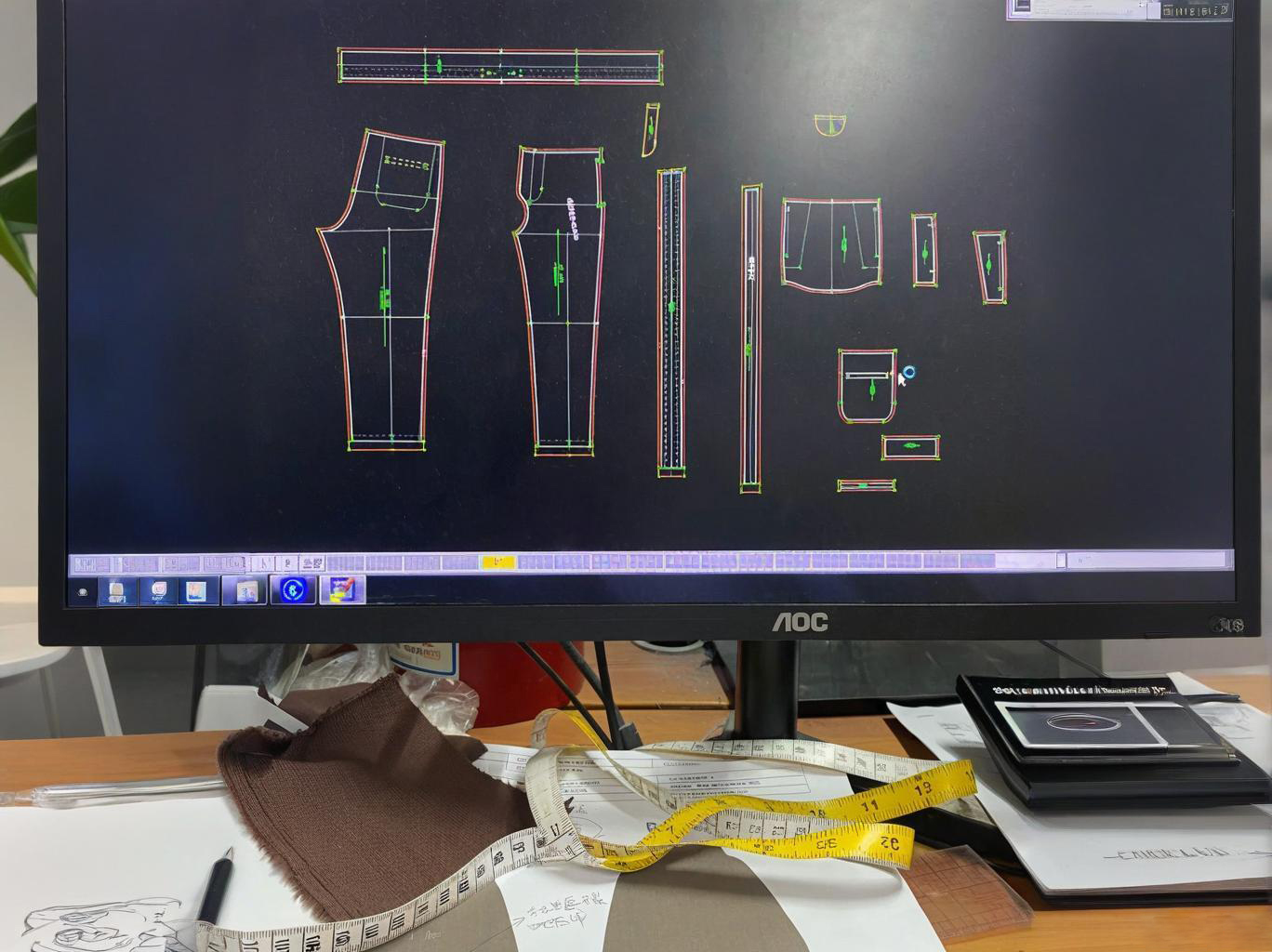
Trendy details often come with technical and cost challenges, and manufacturers address these through rigorous analysis. They assess whether a trend detail—like intricate embroidery or oversized buttons—is feasible for mass production. If a detail is too time-consuming or costly, they propose alternatives. For example, hand-stitched embellishments might be replaced with high-quality machine embroidery. They also conduct cost analysis, breaking down material and labor costs to ensure the final coat fits the brand’s price point. Manufacturers leverage their supply chain networks to source cost-effective materials that still deliver the trend’s look. This technical and cost oversight ensures trend-inspired coats are both producible and profitable.
Developing Trend-Inspired Samples That Sell
Sample development is a crucial step in validating trend translation. Manufacturers create trend-inspired samples that closely mimic the final product. These samples are tested for fit, wearability, and trend appeal. Brands can use them for market testing—gathering feedback from focus groups or retail partners. Manufacturers then refine the samples based on this feedback, adjusting details like fit or fabric to improve sellability. For example, if a sample with a trendy high collar receives feedback about discomfort, they might modify the collar’s height or lining. This iterative process ensures the final coats not only look on-trend but also meet consumer expectations, reducing the risk of unsold stock.
Building a Collection with Cohesive Trend Storytelling
Finally, manufacturers help brands build a cohesive collection with consistent trend storytelling. A successful collection doesn’t just feature random trend pieces—it tells a unified story. Manufacturers ensure that trend elements (color, texture, silhouette) are repeated across styles to create cohesion. For example, if the season’s trend is “cozy minimalism,” they might use the same neutral color palette and soft textures across a midi coat, a cropped jacket, and a cardigan coat. They also balance statement trend pieces with foundational styles. This cohesion makes the collection more appealing to retailers and consumers alike. It also simplifies marketing, as brands can highlight a single trend story rather than multiple disjointed elements.
