

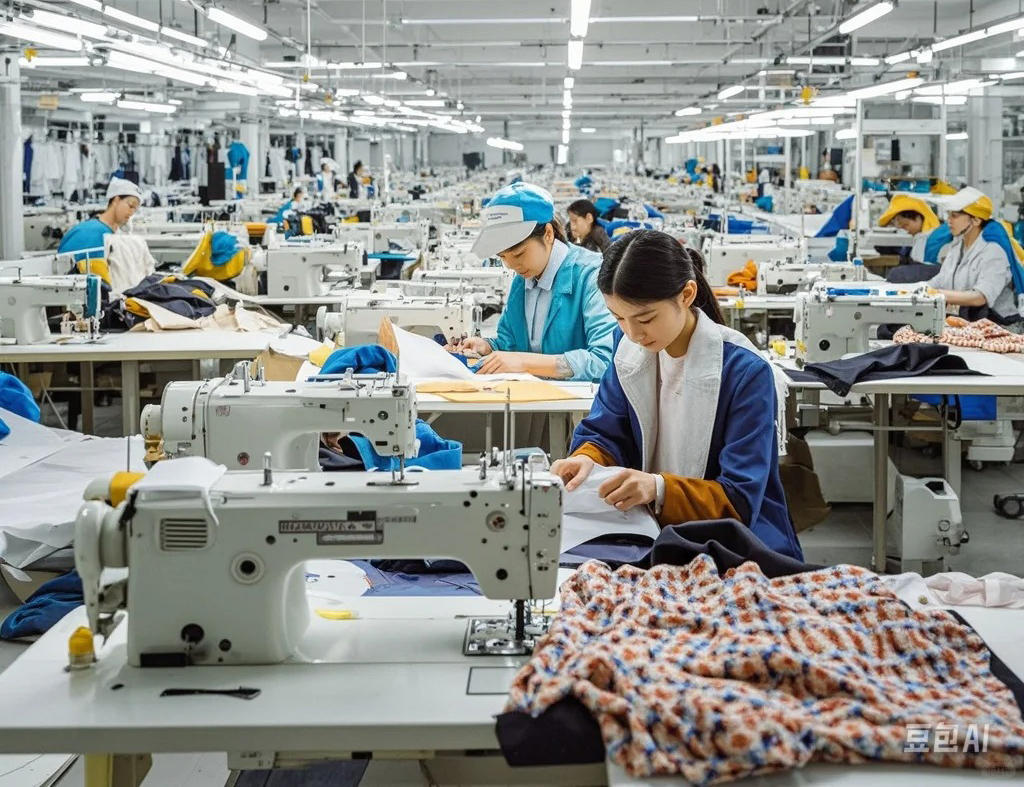
The Benefits of Partnering with a Full-Service Apparel Manufacturer for Small Brands. For small clothing brands, navigating the apparel manufacturing process can be overwhelming. From fabric sourcing and pattern making to production, quality control, and shipping, there are countless steps that require expertise and resources many small brands lack. This is where partnering with a full-service apparel manufacturer comes in. A full-service manufacturer handles every aspect of the production process, providing end-to-end support that allows small brands to focus on their core strengths, such as design and marketing. In this post, we’ll explore the key benefits of working with a full-service apparel manufacturer for small brands.
1. End-to-End Production Support
One of the biggest advantages of a full-service manufacturer is their ability to handle every step of the production process, from concept to delivery. This includes fabric and trim sourcing, pattern making, sampling, bulk production, quality control, packaging, and shipping. For small brands with limited resources, this eliminates the need to coordinate with multiple suppliers (fabric vendors, pattern makers, sewing factories, freight companies) , which can be time-consuming and prone to communication gaps. Instead, small brands have a single point of contact for the entire process, making it easier to manage and reducing the risk of delays or mistakes. For example, a small sustainable loungewear brand can rely on their full-service manufacturer to source eco-friendly fabrics, create custom patterns, produce samples, and deliver the final products to their warehouse—all without the brand having to manage multiple vendors.
2. Cost Savings Through Efficiency
Small brands often operate on tight budgets, so cost savings are a top priority. Full-service apparel manufacturers can help small brands save money through economies of scale and efficient production processes. Because they work with multiple clients, they can negotiate better prices with fabric and trim suppliers, passing these savings on to their clients. Additionally, their efficient production processes (such as optimizing cutting patterns to reduce fabric waste and streamlining sewing workflows) help minimize production costs. Unlike working with multiple suppliers, which can lead to hidden fees or unexpected costs, full-service manufacturers typically provide transparent pricing, with all costs outlined upfront. This allows small brands to plan their budgets more effectively and avoid financial surprises.
3. Access to Expertise and Industry Knowledge
Most small brand founders have creative vision but lack the technical expertise required for apparel manufacturing. Full-service manufacturers employ teams of experienced professionals, including pattern makers, fabric specialists, production managers, and quality control experts, who can provide valuable guidance throughout the process. For example, a fabric specialist can help a small brand select the right materials for their designs, considering factors like comfort, durability, and cost. A pattern maker can refine the brand’s designs to ensure proper fit and functionality. Additionally, full-service manufacturers stay up-to-date on the latest industry trends, technologies, and best practices, which they can share with small brands to help them stay competitive. This access to expertise is invaluable for small brands looking to produce high-quality products that resonate with consumers.
4. Reduced Risk and Flexibility
Small brands face significant risks when entering the apparel market, such as overstocking, poor quality, or missed deadlines. Full-service manufacturers help reduce these risks by offering flexible MOQs, allowing small brands to produce small batches to test the market before scaling up. This minimizes the risk of deadstock and lost revenue. Additionally, their strict quality control processes ensure that the final products meet the brand’s standards, reducing the risk of returns or negative customer reviews. Full-service manufacturers also offer flexibility in terms of production adjustments—if a small brand needs to modify a design, adjust the order quantity, or accelerate production, the manufacturer can accommodate these changes quickly. This flexibility is crucial for small brands that need to adapt to changing market demands or customer feedback.
5. Focus on Core Business Activities
By handling the entire production process, full-service apparel manufacturers free up small brands to focus on their core business activities, such as design, marketing, and customer engagement. For small brands, these activities are critical for building brand awareness and growing their customer base. Instead of spending time managing production logistics and coordinating with multiple suppliers, brand founders can focus on creating unique designs, developing marketing strategies, and connecting with their audience. This not only improves the brand’s ability to compete in the market but also allows for faster growth and development. Partnering with a full-service apparel manufacturer offers numerous benefits for small clothing brands, including end-to-end support, cost savings, access to expertise, reduced risk, and the ability to focus on core business activities. For small brands looking to navigate the complex apparel manufacturing process and build a successful business, a full-service manufacturer is a valuable partner that can provide the support and resources needed to achieve their goals.
