

Design is the transformative alchemy that turns premium fabric into compelling, covetable fashion. For a Winter Apparel Series, this creative process carries a heightened responsibility: it must masterfully balance aesthetic beauty with unwavering functionality. In a competitive market, smart, thoughtful design is a primary sales driver, directly influencing consumer attachment and purchase decisions. For women’s winter wear, where the demand for style coexists with the non-negotiable need for warmth and practicality, several key design elements converge to create collections that resonate deeply and perform flawlessly.
1. Strategic Silhouette: Defining the Winter Form
The silhouette establishes the immediate visual language and emotional tone of a garment. This season’s landscape is refreshingly diverse, moving beyond a single dictate to celebrate a spectrum of forms that cater to varied personal styles and body types.
The oversized silhouette continues to reign, embodying a sense of cocooning comfort and modern ease. This can manifest in a generously cut cocoon coat, voluminous puff sleeves on a wool sweater, or wide-leg wool trousers that offer both freedom and sophistication. The power of this silhouette lies in its intentionality—it’s about crafted volume, not mere bulk. Contrast is key: pairing an oversized chunky knit with sleek, tailored leather pants creates a balanced, fashion-forward look.
Conversely, the tailored, defined silhouette makes a powerful statement of precision and polish. Think of a long, double-breasted wool coat cinched with a belt to create a sharp, hourglass shape, or a streamlined, insulated puffer with quilting that follows the body’s contours. This approach appeals to the customer seeking structure, elegance, and a garment that clearly defines its form. Offering a strategic mix within your series ensures you cater to a broader range of customer identities, from the minimalist to the maximalist.
2. The Power of Detail: Crafting Distinction
Details are the punctuation marks of design—the subtle or bold features that elevate a garment from standard to special. In winter wear, details must often serve a dual purpose: aesthetic enhancement and functional improvement.
Focus areas include collars, cuffs, closures, and seams. A detachable faux fur collar instantly adds a touch of luxe drama and extra neck warmth. Thoughtful cuff designs—whether ribbed knit, adjustable with tabs, or finished with a contrasting velvet band—seal in heat and refine the garment’s terminus. Closures are a prime touchpoint: high-quality, branded zippers, custom antique-finish buttons, or elegant toggle fastenings signal quality and care. Even seam choices, like using contrasting topstitching or exposed industrial seams, can become a defining signature. These considered details are what customers notice up close, fostering a perception of value and craftsmanship that justifies premium positioning.
3. Functional Intelligence: Designing for Real Winter
In winter apparel, functional features are not optional add-ons; they are integral to the design philosophy and a major value proposition. Smart functionality demonstrates a genuine understanding of the wearer’s life in cold weather.
Essential features include ample, well-placed pockets (deep enough for gloves, and preferably lined for warmth), adjustable elements like hoods with drawstrings and hem cinches to keep out drafts, and protective extras such as inner storm cuffs, wind flaps behind zippers, and high collars. For outerwear, consider a dedicated goggle wipe or a secure, fleece-lined phone pocket. In knitwear, incorporating thumbholes in sleeve cuffs or a high funnel neck adds discreet, practical warmth. These features solve real-world problems, transforming a beautiful garment into a trusted companion during the winter months, which directly enhances customer satisfaction and loyalty.
4. Engaging the Senses: Color, Blocking, and Texture
Winter design offers a rich canvas for playing with visual and tactile interest. Moving beyond flat, single-texture looks is crucial for creating depth and desirability.
Color blocking remains a powerful tool, especially with the season’s rich, earthy palette. Imagine a coat with sleeves in deep forest green and the body in warm cream, or a sweater with a bold geometric pattern using tonal grays. This technique creates modern, eye-catching pieces that stand out.
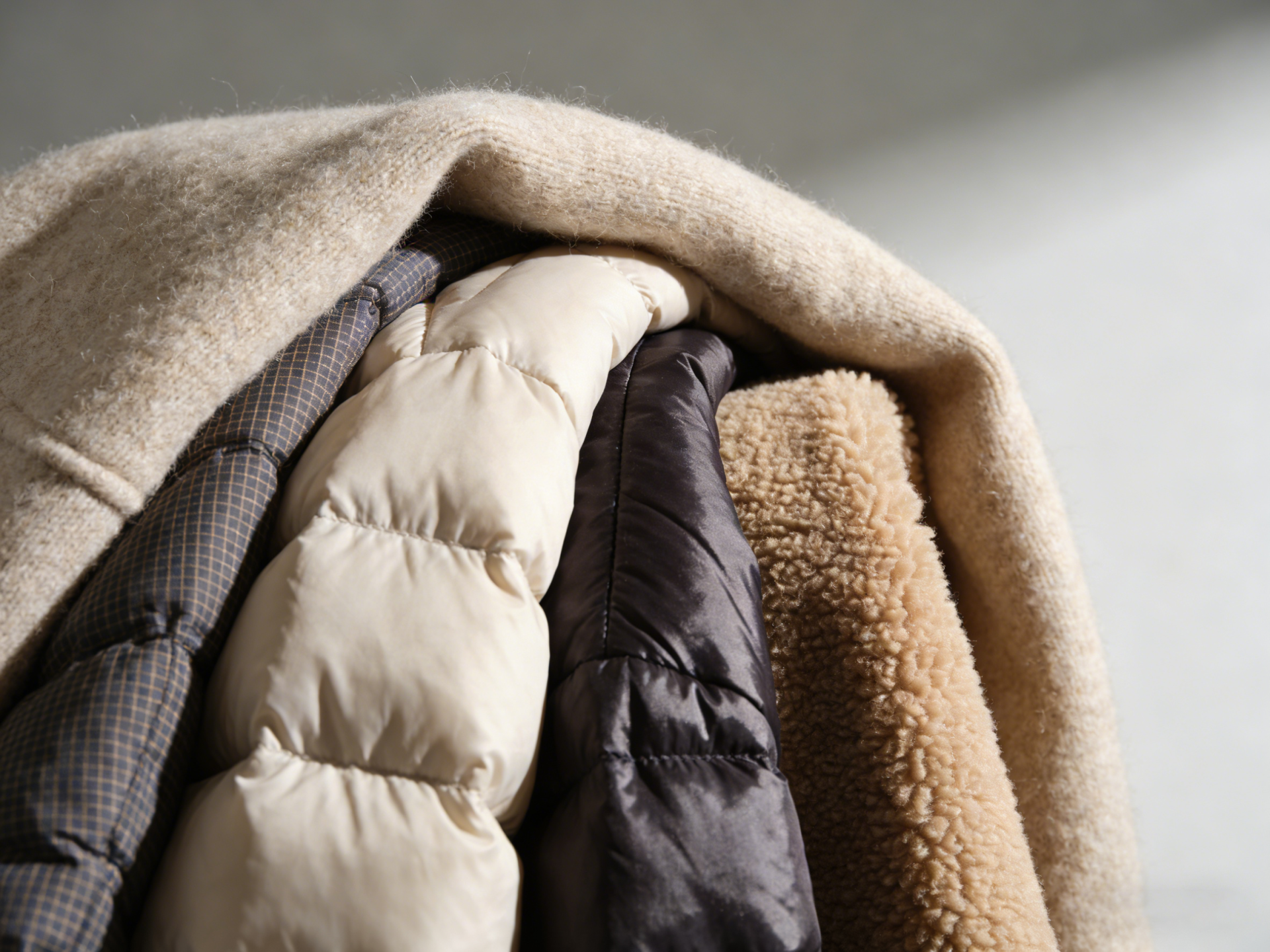
Texture mixing is equally important. It’s about creating a dialogue between different materials: pairing a matte, brushed wool body with glossy satin panels on a dress; combining cable, rib, and smooth knit patterns in one sweater; or contrasting a sleek, technical nylon shell with a chunky, fuzzy sherpa lining. This layering of textures adds complexity, luxury, and a sensory appeal that makes garments more dynamic and engaging, encouraging touch and closer inspection.
5. A Customer-Centric Design Philosophy
Ultimately, exceptional design is rooted in empathy. It understands the customer’s lifestyle, her daily routines, her need for versatility, and her desire to feel both confident and comfortable. It’s about merging street-style trends with practical reality—creating a knit dress warm enough for a commute yet elegant enough for the office, or a parka that is technically capable for weekend adventures but stylish enough for urban errands.
Our design team specializes in this essential balance. We operate at the intersection of trend insight, technical knowledge of garment construction, and a deep understanding of manufacturing feasibility. We can help you translate a core concept into a cohesive, commercially viable Winter Apparel Series where every silhouette, detail, and functional feature is purposefully chosen to create distinction, drive desire, and deliver genuine utility. Let’s collaborate to design a collection that doesn’t just look exceptional on the rack but becomes an indispensable part of your customer’s winter wardrobe.
