

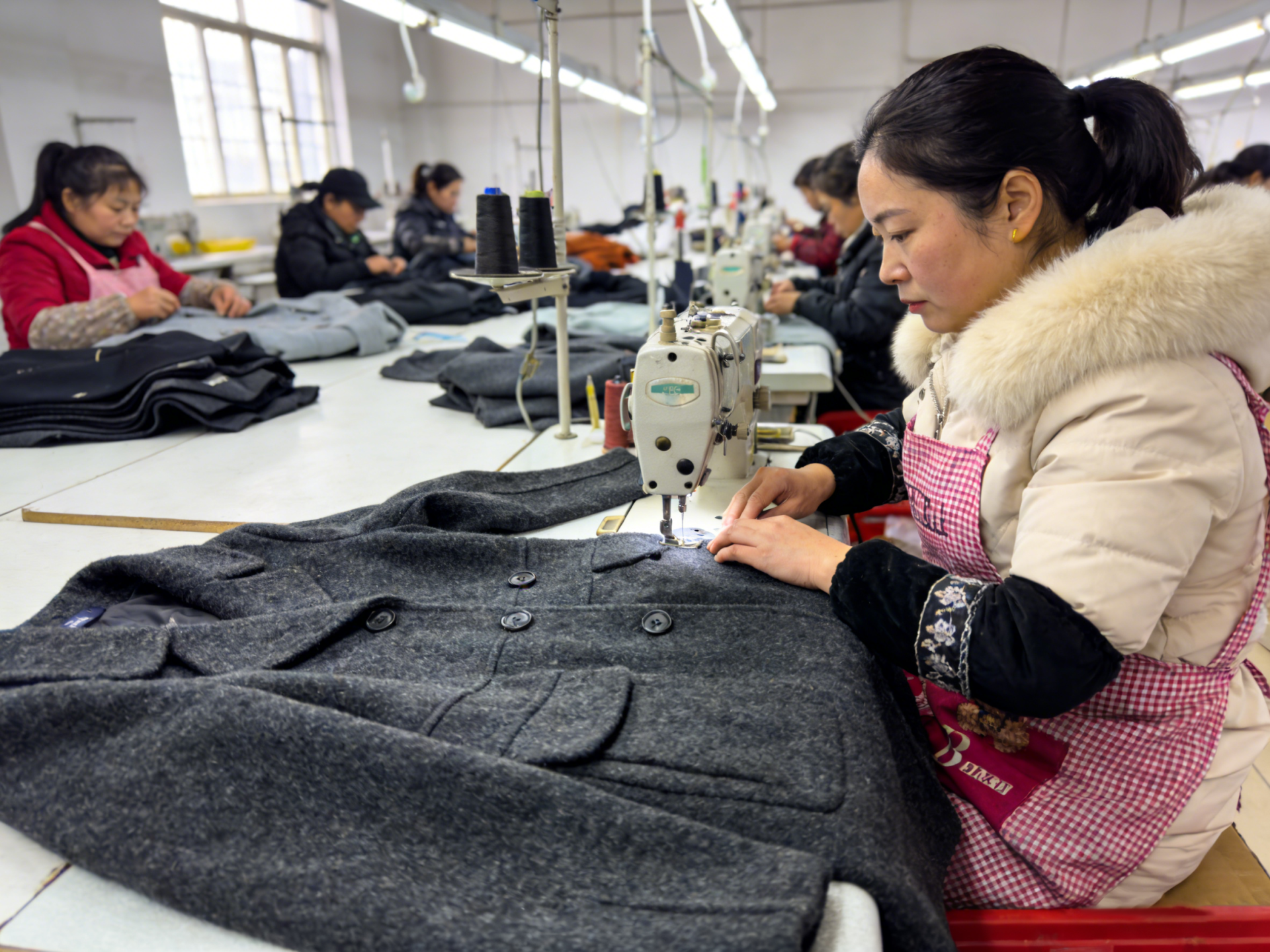
The success of a Winter Apparel Series is fundamentally woven into the very fabric of its garments. The choice of material transcends mere aesthetics; it is a decisive strategic decision that directly dictates warmth, defines style, influences durability, and ultimately, determines market reception. For women’s winter fashion, where the demand seamlessly blends functionality with elegance, selecting the right fabrics is not just important—it is vital. This comprehensive guide explores the essential winter fabric families, their unique properties, and their strategic application to help you build a collection that is as technically proficient as it is beautifully compelling.
1. Wool: The Timeless Pillar of Winter Warmth
Wool remains the cornerstone of any sophisticated winter collection, celebrated for its unparalleled natural insulation, breathability, and inherent elegance. Its ability to wick moisture while retaining heat makes it irreplaceable. However, understanding its varieties is key:
- Merino Wool: Sourced from Merino sheep, this is the premium standard for softness. Its fine fibers are exceptionally soft against the skin, eliminating itchiness and making it ideal for lightweight base layers, delicate sweaters, and elegant dresses. It offers excellent temperature regulation, keeping wearers warm without overheating.
- Cashmere: Derived from the undercoat of cashmere goats, this fiber represents the pinnacle of luxury. It is incredibly soft, lightweight, and provides superior insulation. It is best used in premium sweaters, wraps, and refined knitwear that speaks to a high-end market segment.
- Lambswool & Shetland Wool: Slightly more robust, these wools offer wonderful warmth and a classic, slightly textured feel. They are perfect for chunkier knit sweaters, cardigans, and tailored blazers, providing that quintessential winter look.
- Wool Blends: Blending wool with nylon, polyester, or acrylic enhances durability, reduces shrinkage, and often lowers cost. These blends are workhorses for structured coats, trousers, and skirts, where shape retention and resilience are as important as warmth.
2. Insulation: Engineered Warmth for Extreme Conditions
When the temperature drops significantly, specialized insulation becomes the critical layer between comfort and the cold. This category is split into two main types:
- Down Insulation: Sourced from the undercoating of ducks or geese, down is renowned for its exceptional warmth-to-weight ratio and superior compressibility. Its quality is measured by fill power—the higher the number, the greater the loft and insulating ability with less weight. Ideal for premium puffer jackets, vests, and sleeping bag coats, it provides unmatched warmth for dry, cold climates. A sleek, high-density nylon or polyester outer shell is essential to contain the down and add weather resistance.
- Synthetic Insulation: Made from polyester fibers engineered to mimic down’s structure (e.g., PrimaLoft®, Thinsulate™), synthetic fills excel in damp conditions. They retain insulating power when wet, dry quickly, are often more affordable, and are hypoallergenic. This makes them perfect for active winter wear, ski jackets, and everyday puffers where moisture management and consistent performance are key.
3. Fleece & Sherpa: The Comfort-First Essentials
This category answers the consumer’s deep desire for cozy, tactile comfort. These fabrics are about instant warmth and a soft, inviting hand-feel.
- Fleece: Typically made from polyester, fleece is lightweight, incredibly warm, breathable, and easy to care for. It is a versatile fabric for casual jackets, cozy vests, linings, and full-zip hoodies. Its brushed surface traps air for insulation, making it a perfect mid-layer or standalone piece for milder winter days.
- Sherpa: Often made from polyester or acrylic, Sherpa is a pile fabric designed to mimic sheepskin. It is noticeably plush, fluffy, and has a distinctive, rugged-chic texture. Used as a lining in jackets and coats, or as the primary face fabric in statement pieces, it adds a playful, tactile dimension to a collection, appealing to a trend-driven audience.
4. Weather-Resistant & Technical Fabrics: Function Meets Fashion
The outer shell is a garment’s first line of defense. For winter, this means fabrics engineered to protect against wind, water, and snow.
- Coated & Laminated Fabrics: Nylon and polyester canvases can be treated with durable water repellent (DWR) coatings or laminated with waterproof-breathable membranes (e.g., GORE-TEX). These technologies create a barrier against precipitation while allowing perspiration vapor to escape. They are non-negotiable for performance outerwear like ski shells, trench coats, and parkas.
- Heavy-Duty Cotton Blends: Fabrics like cotton canvas or twill can be waxed or treated for enhanced water and wind resistance. They offer a more natural, matte aesthetic compared to synthetics, perfect for fashion-forward utility jackets and coats that prioritize style alongside moderate protection.
- Soft-Shell Fabrics: These are versatile, woven fabrics (often polyester/nylon/spandex blends) that offer a combination of stretch, wind resistance, water repellency, and breathability. They are ideal for active lifestyles and transitional winter pieces, bridging the gap between a fleece and a hard shell.
Conclusion: A Strategic Fabric Selection Framework
Choosing fabrics is a holistic exercise in balancing cost, performance, aesthetic, and brand alignment. A successful series often strategically combines several of these fabric families—using merino wool for a sweater, a down-filled vest for insulation, and a weather-resistant shell for the coat. Consider the intended use, price point, and sustainability story (e.g., recycled polyester, Responsible Wool Standard-certified wool). As your manufacturing partner, we provide more than just execution; we offer guidance through this complex landscape. We help you navigate these choices, source quality materials, and test performance to ensure your Winter Apparel Series stands out for all the right reasons. Let’s collaborate to select the materials that will form the foundation of your next successful season.
