binjaitoto
  • Dongguan City, China / nancy@tosinfashion.com, Whatsapp: +8613826947014

Uncategorized

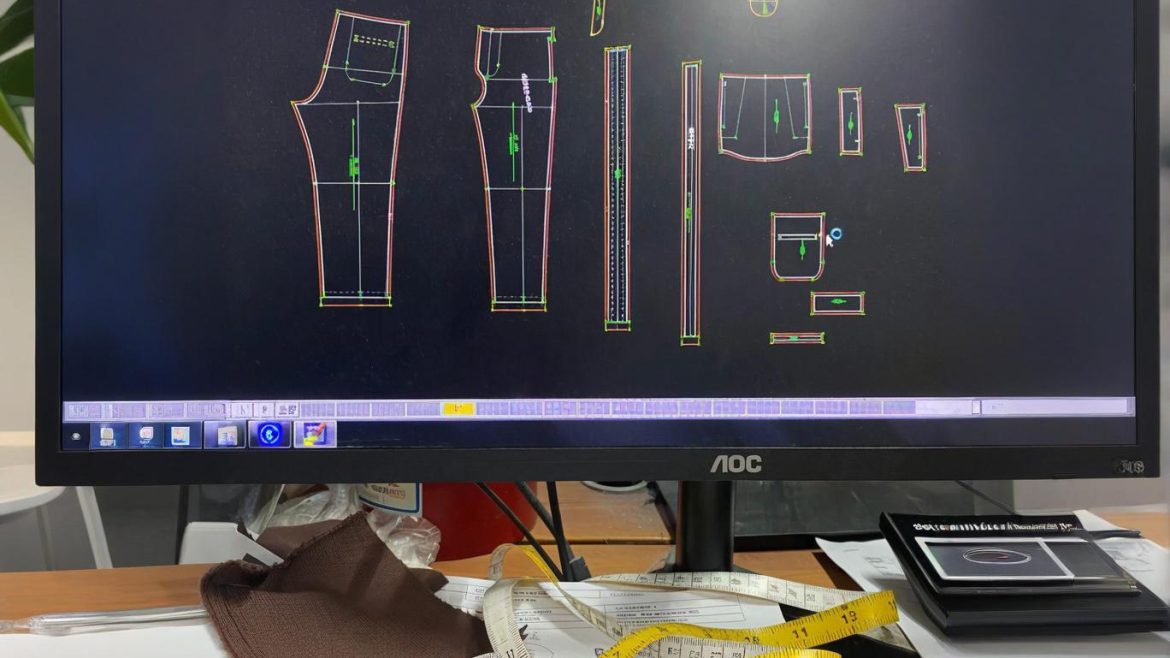
Crafting Women’s Pants That Combine Style and Comfort 1024 702 user

Crafting Women’s Pants That Combine Style and Comfort

Making great women‘s pants starts with understanding fit. We focus on creating flattering silhouettes for different body types. Our patterns aim to enhance comfort and style. A good fit is the most important feature of any pant. Additionally, we tailor patterns to accommodate curves, waistlines, and hip proportions—key areas that often make or break a pant’s fit. For example, high-waisted styles lift and define the waist, while straight-leg cuts balance pear-shaped figures. We also avoid one-size-fits-all approaches, ensuring each design flatters diverse body shapes without compromising comfort. For apple-shaped bodies, we add subtle side panels for a smoother midsection, and for hourglass figures, we accentuate curves without constricting movement. This attention to body-specific details sets our pants apart from generic designs.

Fabrics That Move With Her

Fabric choice is key for comfort and drape. We select materials that feel good against the skin. Stretch blends allow for ease of movement. Lightweight wovens offer breathability. The right fabric brings a design to life. Moreover, we prioritize soft, non-irritating fabrics like modal-spandex and cotton-linen mixes, which are gentle even for sensitive skin. Unlike stiff materials that restrict movement, our fabrics stretch with every step, bend, and reach—ideal for busy, on-the-go women. We also test fabrics for durability, ensuring they retain shape and softness after multiple washes—critical for everyday wear. For warmer seasons, we use lightweight linen-cotton blends that keep wearers cool, while for colder months, we offer soft fleece-lined stretch fabrics that add warmth without bulk.

From Office to Weekend: Versatile Designs

Modern women need versatile pants. We produce tailored trousers for the office—sleek, structured, and paired with subtle stretch for all-day comfort during long meetings or commutes. We also make chic wide-leg pants for evenings, crafted with flowy fabrics that drape beautifully and elevate any outfit. Comfortable culottes and linen pants are perfect for weekends, offering a relaxed yet stylish look for brunches, errands, or casual outings. Our range supports her dynamic lifestyle. Additionally, we add subtle design elements to boost versatility—like removable belts or neutral color palettes (black, beige, navy) that pair effortlessly with blouses, sweaters, or jackets. Whether she’s heading to a meeting, a dinner date, or a casual brunch, our pants transition seamlessly. We also offer adjustable hemlines for some styles, adapting to different shoe choices from heels to sneakers.

Refining Details for Flattery and Function

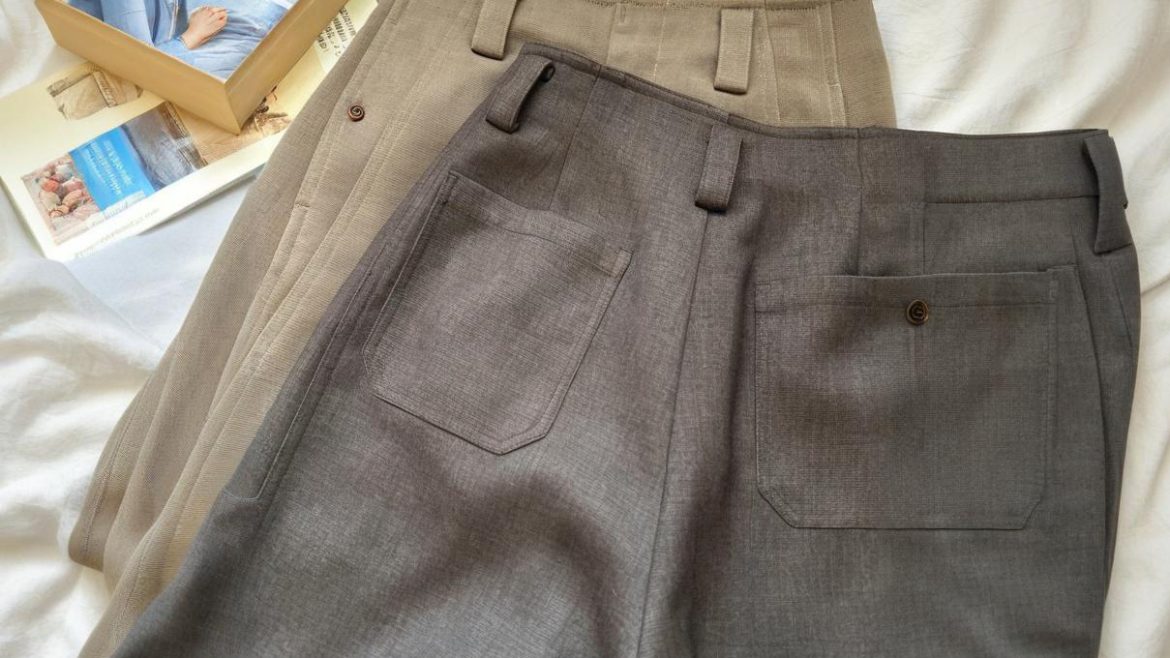
Small details elevate women’s pants from basic to exceptional. We focus on functional, flattering details that serve a purpose, not just for show. Hidden side pockets avoid bulk around the hips, while reinforced waistbands prevent sagging even after hours of wear. Contrast stitching adds subtle style without overwhelming the design, and flat-seam construction eliminates chafing for all-day comfort. Furthermore, we use smooth waistband linings to avoid digging or irritation, a common pain point for many women. These details may seem small, but they make a big difference in daily wear. We also add subtle tummy-control panels in select styles, offering a smoothing effect without feeling restrictive. Additionally, our pants feature reinforced belt loops and durable zippers that stand up to regular use. They blend fashion and function, ensuring our pants look great and feel even better, no matter the occasion.
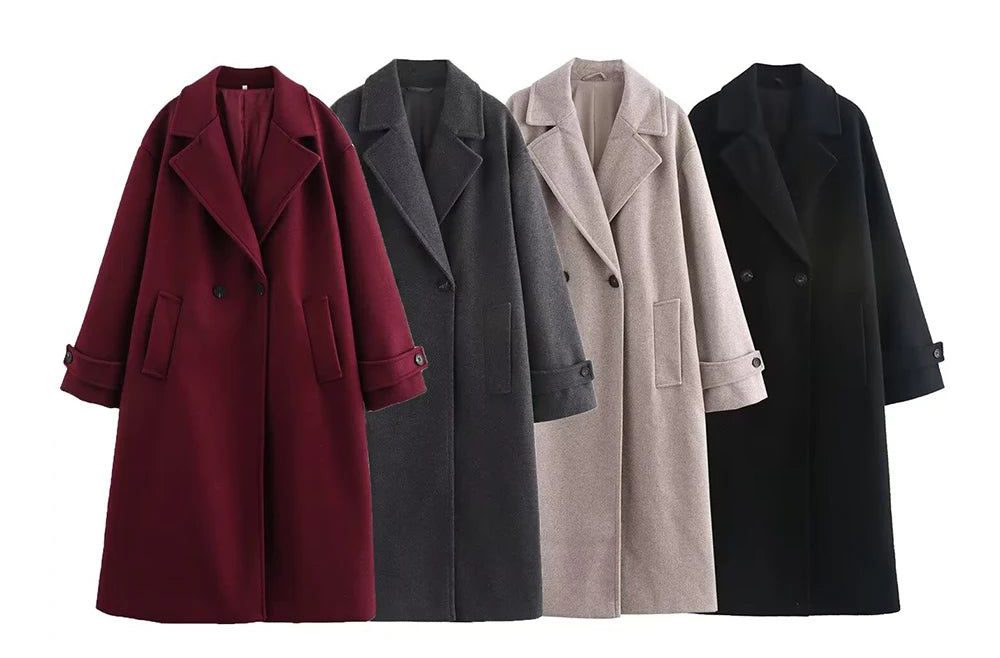
Sustainable and Ethical Considerations for Your Women‘s Coat Brand 1000 806 user

Sustainable and Ethical Considerations for Your Women‘s Coat Brand

Today’s women’s outerwear consumers are more conscious than ever before. They don’t just buy a coat for style or warmth—they want to support brands that prioritize people and the planet. This shift isn’t a passing trend; it’s a long-term change in how shoppers make purchasing decisions.、

Beyond aesthetics, modern buyers research a brand’s sustainability efforts before buying. Poor ethical or environmental practices can quickly damage a brand’s reputation. This demand has pushed women’s coat brands to integrate responsible practices into every stage of their business, from fabric sourcing to final production.

Sourcing Eco-Conscious Fabrics and Materials

Sustainable fashion starts with the materials used to make each coat. For women’s outerwear, eco-conscious fabrics offer both environmental benefits and quality that resonates with consumers. Popular options include organic cotton, recycled wool, and Tencel—all of which reduce environmental harm.

Unlike traditional fabrics, organic cotton uses less water and no harmful pesticides. Recycled wool diverts textile waste from landfills, while Tencel is made from renewable wood pulp and processed with eco-friendly chemicals. Additionally, brands can opt for recycled polyester linings to further reduce their carbon footprint.

Implementing Efficient and Waste-Reducing Production

Efficient production is key to cutting waste and lowering environmental impact. Many women’s coat brands now work with manufacturers to adopt zero-waste cutting techniques. These methods maximize fabric usage, reducing the amount of textile scrap that ends up in landfills.

Another way to reduce waste is by producing smaller, more intentional batches. This avoids overproduction, which is a major issue in the fashion industry. Additionally, using energy-efficient machinery and renewable energy sources (like solar power) further minimizes a brand’s environmental footprint.

Ensuring Ethical Labor Practices and Social Compliance

Sustainability isn’t just about the environment—it also includes treating workers fairly. Ethical labor practices are non-negotiable for modern consumers. They want to know the people making their coats are paid living wages and work in safe conditions.

Manufacturers play a vital role in ensuring social compliance. Brands should partner with factories that are certified by third-party organizations (like Fair Trade). This includes regular audits to ensure compliance with labor laws and safety standards. By prioritizing ethical labor, brands build trust and loyalty with their customers.

Transparent Communication and Storytelling

Transparency builds trust with consumers. Women’s coat brands should clearly communicate their sustainable and ethical efforts. This doesn’t require complex jargon—simple, honest storytelling works best. For example, sharing where fabrics are sourced or how a coat is made helps consumers connect with the brand.

Instead of making vague claims (like “eco-friendly”), brands should be specific. Highlight the number of recycled materials used or the steps taken to ensure ethical labor. This level of transparency shows authenticity and helps consumers make informed purchasing decisions.

Partnering with a Manufacturer Who Shares Your Values

Ultimately, a brand’s sustainability goals can only be achieved with the right manufacturing partner. Working with a manufacturer who shares your values ensures consistency in sustainable and ethical practices. They will understand your vision and help you implement it at every stage.

A manufacturer with experience in sustainable fashion can offer guidance on eco-friendly fabrics and waste-reducing production. They can also help ensure ethical labor practices are followed. This partnership is key to building a successful, responsible women’s coat brand.

The Role of a Manufacturer in Developing a Successful Women‘s Coat Size Range 1024 768 user

The Role of a Manufacturer in Developing a Successful Women‘s Coat Size Range

The Importance of Inclusive and Accurate Sizing

In today’s women’s outerwear market, inclusive and accurate sizing is more than a trend—it’s a necessity. Consumers come in all shapes and sizes, and a one-size-fits-most approach no longer resonates. Poorly sized coats lead to high return rates, disappointed customers, and lost brand loyalty.

Additionally, inclusive sizing shows a brand’s commitment to diversity, which builds trust with modern shoppers. Unlike heavy focus on fabric or style, getting sizing right directly impacts how often a coat is worn and recommended. For brands, this translates to long-term success and a competitive edge in a crowded market.

Establishing the Base Size and Perfecting the Fit

Every successful size range starts with a well-defined base size—typically a medium (M) for most women’s coat lines. This base size serves as the blueprint, so perfecting its fit is critical before any grading begins. Manufacturers rely on real body measurements from their target audience, not generic industry standards.

For instance, a brand targeting petite women will adjust the base size’s torso length and sleeve length, while one focusing on plus sizes will prioritize roomier bust and hip areas without sacrificing style. Perfecting the base fit involves testing mobility—can a wearer button the coat easily or raise their arms comfortably? These small details make all the difference.

The Science and Art of Technical Grading

Technical grading is far more than simply scaling a pattern up or down. It’s a blend of science (precision measurements) and art (maintaining the coat’s original silhouette and fit). Manufacturers use consistent grading rules to ensure each size retains the base size’s design integrity.

For example, grading from a medium to a large might involve adding 1.5 inches to the bust, 1 inch to the waist, and 0.75 inches to the shoulder width—proportions that keep the coat looking tailored, not boxy. However, grading isn’t one-size-fits-all; coats with structured shoulders require different grading than flowy lightweight styles.

Fit Testing Across the Full Size Spectrum

Even the best grading rules need real-world validation through fit testing. Manufacturers don’t just test the base size—they test every size in the range, from XS to XL and beyond. This ensures consistency across all sizes, so a size XS feels just as well-fitted as a size XXL.

Fit testers represent the brand’s target demographic, with varying body types and proportions. They provide feedback on areas like sleeve ease, collar fit, and overall comfort during daily activities. Manufacturers use this feedback to adjust patterns—fixing tight armholes or loose hems before mass production begins.

Communicating Fit: Building a Size Guide for Customers

A great size range means nothing if customers don’t know how to choose the right size. Manufacturers play a key role in helping brands communicate fit effectively by creating clear, detailed size guides. These guides go beyond generic size labels to include specific measurements.

For example, a size guide might list bust, waist, shoulder width, and sleeve length for each size. Additionally, manufacturers may recommend measuring techniques (like measuring over a lightweight sweater) to help customers get accurate readings. This reduces returns and improves customer satisfaction by setting clear expectations.

The Manufacturer‘s Role as Your Technical Fit Partner

Ultimately, manufacturers are more than producers—they are technical fit partners for brands. They bring expertise in body measurements, grading, and fit testing that many brands lack. This partnership ensures the size range is inclusive, accurate, and aligned with the brand’s design vision.

From refining the base size to adjusting grading rules and conducting fit tests, manufacturers guide brands through every step of the sizing process. This collaboration not only creates a better product but also helps brands stand out in a market where fit is non-negotiable.

Mastering Lightweight and Transitional Women‘s Coat Manufacturing 1024 825 user

Mastering Lightweight and Transitional Women‘s Coat Manufacturing

The Rising Demand for Year-Round, Versatile Outerwear

Gone are the days when outerwear was only reserved for frigid winters. Today’s consumers seek pieces that work hard across seasons—especially spring and fall. This shift has fueled a booming market for lightweight, transitional women’s coats.

Modern women want outerwear that is stylish, functional, and easy to layer. They don’t want to sacrifice tailoring for lightness, nor do they want bulky pieces that feel out of place in mild weather. This demand has pushed manufacturers to rethink how they design and produce seasonal coats.

Fabric Selection: Drape, Weight, and Wrinkle Resistance

Fabric is the foundation of any successful lightweight coat. For transitional pieces, three factors matter most: drape, weight, and wrinkle resistance. Draping fabrics ensure the coat flatters the body without looking stiff.

Ideal options include cotton blends, lightweight wool, and Tencel. These materials strike a balance between lightness and structure. They are also resistant to wrinkles—critical for women on the go who don’t have time for constant ironing. Avoid heavy fabrics like thick wool or fur, as they defeat the purpose of transitional wear.

Construction Techniques for Lightweight Structure

Creating a tailored look without bulk requires precise construction techniques. Skip heavy linings—instead, use lightweight, breathable linings or unlined designs for maximum comfort.

French seams and flat-felled seams add durability without adding bulk. Tailors should also focus on precise stitching to maintain structure. For blazers, light shoulder padding (or no padding at all) keeps the silhouette sleek while still providing shape.

Design Features of Versatile Transitional Coats

Versatility is key for transitional coats. Design features like removable belts allow wearers to adjust the fit for different occasions. Neutral colors (beige, gray, black) ensure the coat pairs well with any outfit.

Trench coats benefit from water-resistant finishes to handle light spring or fall rain. For lightweight layers, cropped lengths work well for layering over dresses or sweaters. Additionally, hidden pockets add functionality without disrupting the silhouette.

Layering & Sleeve Ease + Polished Look Without Bulk

When designing for layering, sleeve ease is crucial. Sleeves should have enough room to fit a lightweight sweater underneath without feeling tight. This small detail makes the coat far more versatile.

Ultimately, achieving a polished look with less bulk comes down to balance. Combine lightweight fabrics with precise construction and versatile design. By focusing on these key elements, manufacturers can create transitional coats that are stylish, functional, and in high demand.

Luxe Details: Elevating Your Women‘s Coat Line with Premium Finishes 1000 715 user

Luxe Details: Elevating Your Women‘s Coat Line with Premium Finishes

In the world of women’s luxury outerwear, the line between a good coat and an exceptional one lies in the details. Mass-market coats often cut corners on finishing touches, but luxury brands understand that premium details create emotional connections and justify higher price points. These details aren’t just decorative—they enhance the wear experience, signal quality, and make a bold style statement. A skilled women’s coat manufacturer knows how to incorporate these luxe finishes effectively. This blog explores the key premium details that elevate a coat line, from interior linings to hand-applied embellishments, and how they shape consumer perception of luxury.

The Psychology of Luxury: Details as a Value Proposition

Luxury is as much psychological as it is tangible, and details play a pivotal role in this perception. When women invest in a luxury coat, they seek more than functionality—they want to feel pampered and distinctive. Small, thoughtful details satisfy this desire. A silk lining that glides over clothing, custom buttons with a brand’s logo, or perfectly aligned stitching all communicate craftsmanship. These elements tell consumers that no expense was spared in creating the coat. They also create a sense of exclusivity; mass-produced coats rarely feature such meticulous finishes. For brands, these details become a value proposition, convincing consumers that the higher price is worth the quality and experience.

The Interior Experience: Luxurious Lining Fabrics and Treatments

Luxury starts from the inside out, and the lining is where the wear experience begins. Premium coat manufacturers prioritize luxurious lining fabrics like pure silk, satin, or cashmere blends. These fabrics feel soft against the skin and prevent friction with delicate clothing. Beyond material, high-end linings often include subtle treatments: anti-static coatings to avoid cling, or breathable fabrics to regulate temperature. Some brands even add custom prints or monograms to the lining, adding a personal, exclusive touch. Unlike cheap, scratchy linings that feel disposable, luxurious linings turn every wear into a premium experience. They also signal attention to detail, showing that the brand cares about even the unseen parts of the coat.

Hardware as Jewelry: Selecting Buttons, Zippers, and Fastenings

Hardware—buttons, zippers, and fastenings—acts as jewelry for a coat, adding shine and sophistication. Luxury coat manufacturers avoid generic plastic hardware. Instead, they opt for high-quality materials like brass, stainless steel, or even crystal. Custom buttons are a hallmark of luxury; they might be made from horn, mother-of-pearl, or enamel, and often feature embossed logos or unique designs. Zippers are chosen for smooth operation and durability, with branded pulls that add a subtle logo touch. Magnetic fastenings, hidden beneath lapels, offer both convenience and a clean, elegant look. These hardware choices don’t just enhance style—they improve functionality, ensuring the coat lasts for years and maintains its luxurious appeal.

Exquisite Stitching: Topstitching, Embroidery, and Embellishment

Exquisite stitching is a visible sign of craftsmanship, and luxury coats showcase this through precise techniques. Topstitching—visible stitching along seams or edges—is done with even, consistent stitches, often in a contrasting thread color to highlight the coat’s structure. Hand embroidery adds a unique, artisanal touch; delicate floral patterns or monograms can transform a simple coat into a one-of-a-kind piece. For more opulent designs, manufacturers might incorporate embellishments like hand-sewn crystals, beads, or sequins. Importantly, these stitching and embellishment details are never overdone—luxury relies on subtlety. Every stitch serves a purpose, whether to reinforce a seam or add a touch of elegance, creating a coat that feels both refined and timeless.

The Final Touch: Hand-Applied Finishes and Quality Pressing

The final step in creating a luxury coat is the hand-applied finishes and quality pressing. Machine finishing can leave harsh lines or uneven edges, but hand-finishing ensures precision. Skilled artisans hand-sew hems, attach buttons securely, and trim loose threads—details that make the coat feel polished. Quality pressing is equally important; it smooths out wrinkles, shapes the coat’s silhouette, and gives it a crisp, professional look. Manufacturers use steam pressing techniques that preserve the fabric’s integrity, avoiding shine or damage. These final touches are often invisible to the untrained eye, but they make a world of difference in how the coat fits and feels. They’re the last step in turning a well-made coat into a luxury masterpiece.

Sourcing and Incorporating Premium Trims Effectively

Incorporating premium details successfully requires strategic sourcing and collaboration with a manufacturer. Top manufacturers have established relationships with trusted suppliers of luxury trims, from silk linings to custom hardware. They help brands balance quality and cost, advising on which details will have the biggest impact. They also ensure that premium trims are integrated seamlessly into the production process—for example, aligning custom buttons with pattern pieces or ensuring embroidery doesn’t compromise the coat’s structure. By working with a manufacturer that specializes in luxury finishes, brands can avoid common pitfalls, like using low-quality trims that cheapen the coat. This collaboration ensures that every premium detail enhances the coat’s value and reinforces the brand’s luxury positioning.

Translating Seasonal Trends into Commercial Women‘s Coat Collections 1024 767 user

Translating Seasonal Trends into Commercial Women‘s Coat Collections

Seasonal trends drive excitement in women’s fashion, but translating catwalk inspiration into commercial coat collections is a delicate art. Runway looks often feature extreme silhouettes, luxurious materials, or overly complex details—elements that don’t always resonate with everyday consumers. The goal for brands is to capture the essence of a trend while ensuring wearability, affordability, and profitability. This is where a skilled women’s coat manufacturer becomes indispensable. They act as a bridge between trend inspiration and market reality. This blog explores how manufacturers guide brands through the trend translation process, turning fleeting fashion moments into successful, sellable coats.

From Catwalk to Consumer: The Adaptation Process

The journey from catwalk to consumer involves a strategic adaptation process. First, manufacturers work with brands to distill the core of a trend—whether it’s a color, silhouette, or texture. They then modify extreme elements to fit real-life needs. For example, an oversized runway coat might be scaled down to a more flattering, wearable fit. A coat made with rare, expensive fur on the catwalk could be adapted using high-quality faux fur alternatives. This adaptation doesn’t dilute the trend’s appeal. Instead, it makes it accessible. Manufacturers also consider practicality: adding pockets, adjusting sleeve lengths, or choosing machine-washable fabrics. The end result is a coat that feels on-trend yet functional for daily wear.

Identifying Key Trends: Color, Texture, and Silhouette

Successful trend translation starts with identifying key trend pillars: color, texture, and silhouette. Manufacturers leverage industry resources to track seasonal trend reports from authorities like Pantone or WGSN. For color, they might recommend incorporating a trending hue (e.g., burnt orange for autumn) as an accent or main color. For texture, they adapt runway-inspired fabrics—like chunky knits or glossy satin—to more durable, cost-effective options. For silhouette, they focus on flattering shapes that align with the trend, such as the return of midi-length coats or structured blazers. By focusing on these three pillars, manufacturers help brands create coats that clearly reflect seasonal trends without being overly niche.

Balancing Novelty with Timelessness and Versatility

A critical part of trend translation is balancing novelty with timelessness and versatility. Too much trendiness can make a coat feel dated quickly, leading to unsold inventory. Manufacturers advise brands to blend trend elements with classic silhouettes. For example, a classic trench coat might get a trendy belt detail or color update. This balance extends the coat’s lifecycle and broadens its appeal. Versatility is also key—coats that can be dressed up or down, or layered with different outfits, sell better. Manufacturers might suggest adjustable details, like removable collars, to enhance versatility. This approach reduces risk for brands and ensures coats remain relevant beyond a single season.

Technical Feasibility and Cost Analysis of Trendy Details

Trendy details often come with technical and cost challenges, and manufacturers address these through rigorous analysis. They assess whether a trend detail—like intricate embroidery or oversized buttons—is feasible for mass production. If a detail is too time-consuming or costly, they propose alternatives. For example, hand-stitched embellishments might be replaced with high-quality machine embroidery. They also conduct cost analysis, breaking down material and labor costs to ensure the final coat fits the brand’s price point. Manufacturers leverage their supply chain networks to source cost-effective materials that still deliver the trend’s look. This technical and cost oversight ensures trend-inspired coats are both producible and profitable.

Developing Trend-Inspired Samples That Sell

Sample development is a crucial step in validating trend translation. Manufacturers create trend-inspired samples that closely mimic the final product. These samples are tested for fit, wearability, and trend appeal. Brands can use them for market testing—gathering feedback from focus groups or retail partners. Manufacturers then refine the samples based on this feedback, adjusting details like fit or fabric to improve sellability. For example, if a sample with a trendy high collar receives feedback about discomfort, they might modify the collar’s height or lining. This iterative process ensures the final coats not only look on-trend but also meet consumer expectations, reducing the risk of unsold stock.

Building a Collection with Cohesive Trend Storytelling

Finally, manufacturers help brands build a cohesive collection with consistent trend storytelling. A successful collection doesn’t just feature random trend pieces—it tells a unified story. Manufacturers ensure that trend elements (color, texture, silhouette) are repeated across styles to create cohesion. For example, if the season’s trend is “cozy minimalism,” they might use the same neutral color palette and soft textures across a midi coat, a cropped jacket, and a cardigan coat. They also balance statement trend pieces with foundational styles. This cohesion makes the collection more appealing to retailers and consumers alike. It also simplifies marketing, as brands can highlight a single trend story rather than multiple disjointed elements.

The Art of Crafting Coats for the Female Form: A Manufacturer‘s Perspective 1024 768 user

The Art of Crafting Coats for the Female Form: A Manufacturer‘s Perspective

The Specialized Craft of Women’s Coat Manufacturing

Crafting coats for the female form is more than just cutting fabric and sewing seams. It requires a deep understanding of women’s diverse body shapes, style preferences, and how clothing interacts with movement. Unlike men’s outerwear, which often prioritizes structure and uniformity, women’s coats demand a balance of flattery, comfort, and functionality. A true women’s coat manufacturing specialist doesn’t just follow size charts. They bring intentionality to every detail, from silhouette shaping to fabric selection. This blog, from a manufacturer’s perspective, explores the expertise that sets apart top women’s coat producers. It breaks down the key elements that make a coat truly designed for women.

Understanding the Diversity of the Female Silhouette

The first step in crafting women’s coats is recognizing the vast diversity of the female silhouette. No single “standard” body type exists. Women have varying bust, waist, and hip proportions, shoulder widths, and torso lengths. A manufacturer specializing in women’s wear embraces this diversity. They don’t use a one-size-fits-all pattern grading system. Instead, they adjust patterns across sizes to maintain the coat’s intended shape and flattery. For example, a coat designed for a curvy figure will have different seam placements than one for a more athletic build. This attention to diverse proportions ensures every size looks and feels tailored, not just scaled up or down. It’s the foundation of a coat that resonates with a wide range of women.

Beyond Size Charts: The Philosophy of Feminine Fit

Top women’s coat manufacturers go beyond basic size charts to embrace a feminine fit philosophy. This philosophy centers on enhancing the body’s natural curves rather than hiding them. It prioritizes comfort without compromising style—allowing for ease of movement while maintaining a polished look. For instance, they’ll add subtle room in the hip area for mobility, while keeping the waist defined to create a flattering shape. They also consider how layers (like sweaters) will fit under the coat, adjusting the lining and interior space accordingly. This thoughtful approach to fit turns a functional coat into one that makes women feel confident. It’s a key distinction between general manufacturers and women’s wear specialists.

Creating Flattering Silhouettes: Darts, Seams, and Structure

Flattering silhouettes are built through precise use of darts, seams, and structure. Darts are essential for shaping—they pull fabric at the waist or bust to create a tailored fit. Women’s coat specialists place darts strategically to enhance curves without creating bulk. Seams, too, play a role; princess seams (which run from shoulder to hem) create a smooth, slimming line that follows the body’s contours. Additionally, they use structured elements like interfacing sparingly. Too much structure can make a coat feel stiff, while the right amount adds shape without restricting movement. For example, a tailored blazer coat might have light interfacing in the shoulders for definition, but soft lining in the body for comfort. These details work together to create a silhouette that flatters and feels natural.

The Importance of Thoughtful Details: Cuffs, Collars, and Closures

Thoughtful, feminine details elevate women’s coats from functional to fashionable. Specialized manufacturers pay close attention to cuffs, collars, and closures—elements that add both style and functionality. Cuffs might feature subtle button details or a slight taper to fit comfortably over gloves. Collars are designed to frame the face; a soft lapel or a structured notched collar can change the coat’s entire vibe. Closures, too, are chosen with women in mind—magnetic snaps for ease of use, or decorative buttons that add a feminine touch. These details aren’t just decorative. They’re designed to enhance the wear experience. For example, a collar lined with soft fleece adds warmth and comfort against the neck. It’s these small, intentional choices that define a quality women’s coat.

Selecting Fabrics that Drape and Move with the Body

Fabric selection is critical for women’s coats, as it directly impacts drape and movement. Specialized manufacturers choose fabrics that flow with the body, not against it. Lightweight wool blends, soft cashmere, and fluid satin linings are popular choices. These fabrics drape beautifully, enhancing the coat’s silhouette without feeling heavy. They also consider practicality—fabrics that resist wrinkling, repel light rain, and hold their shape over time. For example, a winter coat might use a water-resistant wool blend that’s still soft to the touch. A spring trench coat could feature a lightweight cotton-linen blend with excellent drape. The right fabric balances style, comfort, and durability—ensuring the coat looks great and lasts through repeated wears.

Partnering with a Manufacturer Who “Gets” Women‘s Wear

Ultimately, the success of a women’s coat collection depends on partnering with a manufacturer who truly “gets” women’s wear. This means working with a team that understands the nuances of feminine fit, embraces body diversity, and prioritizes thoughtful details. A specialist manufacturer will collaborate with you to refine your designs, offering insights on fit, fabric, and details that enhance your vision. They’ll also ensure consistency across your collection, so every coat feels cohesive and true to your brand. Partnering with such a manufacturer doesn’t just produce better coats. It builds a collection that resonates with women—one that makes them feel seen, confident, and stylish. In the competitive world of women’s fashion, this expertise is the key to standing out.

Speed to Market: Agile Production with a Responsive Women’s Sweater Manufacturer 1024 940 user

Speed to Market: Agile Production with a Responsive Women’s Sweater Manufacturer

Modern women’s fashion moves at a breakneck pace. Trends emerge overnight and fade just as quickly. For brands to stay competitive, speed to market is non-negotiable. A great sweater design means nothing if it hits stores after the trend peaks. This is where a responsive, agile sweater manufacturer becomes a game-changer. They don’t just produce garments. They streamline every step to cut lead times without sacrificing quality. This blog explores how agile manufacturing transforms speed into a competitive edge. It breaks down the key strategies that get your women’s sweaters from design to shelf faster.

The Agile Manufacturing Model: How It Differs from Traditional Cycles

Agile manufacturing stands in stark contrast to traditional production models. Traditional cycles rely on long lead times and large batch orders. They’re rigid and slow to adapt to trend shifts. Agile models, by contrast, prioritize flexibility and speed. They use small-batch production runs to test trends quickly. They also embrace modular processes that let them switch between styles seamlessly. For example, an agile manufacturer can shift from producing a ribbed turtleneck to a cropped cardigan with minimal downtime. This flexibility lets brands capitalize on emerging trends fast. It also reduces the risk of overstocking outdated styles.

Rapid Sampling: Accelerating the Design Approval Process

Rapid sampling is a cornerstone of agile production. It cuts weeks off the design approval process. Traditional sampling can take 2-3 weeks per iteration. Agile manufacturers slash this time to just a few days. They use digital tools to streamline design transfers. They also keep a stock of common yarns and trims ready for sampling. This means they don’t wait for materials to arrive before starting. Additionally, they offer simplified sample iterations. They focus on key details first to speed up approvals. Fast sampling lets brands finalize designs quickly. It gets production rolling sooner, shortening the overall path to market.

Fabric and Component Readiness: Keeping Key Materials in Stock

Material delays are a major bottleneck in fast fashion. Agile manufacturers solve this with strategic inventory management. They keep a stock of high-demand fabrics and components on hand. Think classic cotton blends, trendy acrylics, and common trims like buttons or ribbing. This eliminates the need to source materials from scratch for every order. When a brand places an order, the manufacturer can start production immediately. They also build relationships with local fabric suppliers. This ensures fast replenishment if stock runs low. Material readiness cuts critical time from the production timeline. It lets brands respond to trend surges without waiting for materials.

Efficient Production Planning and Line Scheduling

Efficient production planning is key to agile speed. Agile manufacturers use advanced scheduling tools to optimize their production lines. They group similar styles together to reduce setup time. They also allocate dedicated teams to fast-track orders. For example, a hot trend style might get priority on the production line. This ensures it’s ready for shipment in the shortest time possible. Additionally, they monitor production in real time. They identify bottlenecks early and adjust schedules to keep things on track. Efficient planning ensures every step moves quickly. It prevents delays that can derail fast-to-market goals.

Clear and Fast Communication Protocols

Fast, clear communication is the glue that holds agile production together. Agile manufacturers use streamlined communication protocols. They assign dedicated account managers to each brand. This eliminates confusion from multiple contact points. They also use real-time communication tools like instant messaging or digital dashboards. Brands get updates on production progress 24/7. If an issue arises, the manufacturer alerts the brand immediately. They also propose solutions quickly to keep production on track. Fast communication avoids misunderstandings. It ensures decisions are made quickly, keeping the entire process moving forward.

Turning Speed into a Competitive Advantage for Your Brand

In fast-paced women’s fashion, speed isn’t just a nice-to-have. It’s a necessity for survival and growth. An agile, responsive sweater manufacturer turns speed into your brand’s competitive advantage. Their flexible processes, rapid sampling, strategic material stock, and clear communication all work together. They cut lead times significantly and get your trends to market while they’re still hot. Partnering with such a manufacturer lets you stay ahead of competitors. It helps you build a reputation for being on-trend and responsive to customer needs. In the end, agile production isn’t just about speed. It’s about building a brand that thrives in the fast-moving world of modern fashion.

Building a Cohesive Collection: The Role of Your Sweater Manufacturer 1024 743 user

Building a Cohesive Collection: The Role of Your Sweater Manufacturer

A successful women’s sweater collection is more than a random set of styles. It’s a cohesive story that resonates with customers. Every piece should work together—whether worn alone or layered. This harmony doesn’t happen by accident. It relies heavily on your sweater manufacturer’s expertise. They turn your creative vision into a unified line. They ensure consistency in style, color, and quality across all pieces. This blog explores how a skilled manufacturer becomes a strategic partner. It highlights their role in every step of building a cohesive collection, from initial planning to final packaging.

Strategic Planning: Defining the Mix (Basics, statement pieces, layers)

Building cohesion starts with strategic product planning. Your manufacturer can guide you in defining the right mix of styles. This mix typically includes three core categories: basics, statement pieces, and layers. Basics like crewneck sweaters form the foundation. They need to be versatile and consistent in fit. Statement pieces—such as embellished cardigans or textured turtlenecks—add visual interest. Layers like lightweight shawls or cropped knits complement the main styles. A good manufacturer will advise on proportions. They ensure no category overwhelms the others. They also check that all pieces share design elements, like similar neckline shapes or stitch details, to tie the collection together.

Color Story Consistency: Dyeing and Matching Yarns Across Styles

Color is one of the strongest tools for creating collection cohesion. Your manufacturer plays a critical role in maintaining color consistency. They manage the dyeing process to ensure yarns match your brand’s color palette perfectly. This is especially important for multi-style collections. A single shade of cream or navy should look identical across basics, statement pieces, and layers. Skilled manufacturers use precise dyeing techniques and color-matching tools. They also test dyed yarns under different lights to avoid discrepancies. If you’re using seasonal hues, they can suggest complementary shades. This ensures the entire color story feels intentional and unified.

Maintaining Quality and Hand-Feel Across Different Knit Constructions

A cohesive collection needs consistent quality and hand-feel—even across different knit constructions. A chunky cable sweater should feel just as luxurious as a fine merino tank. Your manufacturer ensures this by standardizing production processes. They use high-quality materials that align with your brand’s standards. For example, they’ll select yarns with similar softness for all pieces. They also maintain consistent stitching and finishing techniques. This includes uniform seam allowances and neat edge bindings. Additionally, they conduct rigorous quality checks on every style. They verify that fit, durability, and texture meet the same high bar across the entire line.

Streamlining Production for Multiple Styles (Efficiency and consistency)

Producing multiple styles can be complex. But your manufacturer can streamline the process for efficiency and consistency. They often use shared materials across styles to reduce lead times and costs. For example, the same yarn batch can be used for both a basic sweater and a matching scarf. They also optimize production schedules. They group similar knitting or dyeing processes to ensure uniformity. A dedicated production team assigned to your collection helps maintain consistency. They understand your vision and apply the same standards to every piece. This streamlined approach keeps production on track. It also ensures every style meets your collection’s cohesive goals.

Packaging and Presentation: Finishing the Collection Unifyingly

Cohesion extends to the final touch—packaging and presentation. Your manufacturer can help you create unified packaging. This includes branded tags, tissue paper, or garment bags that match across all styles. Consistent packaging reinforces your brand identity. It also makes the collection feel polished and intentional when displayed in stores or shipped to customers. Manufacturers can also advise on folding or hanging techniques. These techniques highlight the collection’s design elements. They ensure every piece presents itself in a way that aligns with the overall story.

A Strategic Partner for Your Brand’s Holistic Vision

Building a cohesive women’s sweater collection requires more than creative design. It needs a manufacturer who understands your holistic vision. Their expertise in planning, color matching, quality control, and production streamlining is invaluable. They turn individual styles into a unified story that connects with customers. A strategic manufacturing partner doesn’t just produce sweaters. They elevate your collection’s impact and strengthen your brand’s identity. By partnering with the right manufacturer, you can create collections that stand out. You’ll build long-term loyalty with customers who appreciate the harmony and quality of your line.

Luxury Touches: Embellishment and Detail Work with a Women’s Knitwear Manufacturer 1024 804 user

Luxury Touches: Embellishment and Detail Work with a Women’s Knitwear Manufacturer

In women’s knitwear, luxury lies in the details. A simple cashmere sweater can become a coveted statement piece. All it needs is the right embellishment. Think delicate embroidery along the neckline, shimmering beads on the cuffs, or a unique appliqué on the bodice. These small, intentional touches elevate the garment beyond basic loungewear. They make it suitable for special occasions and premium retail spaces. But executing these details flawlessly requires expertise. You need a manufacturer specializing in knit embellishment. This blog explores key decorative techniques for luxury women’s knits. It also explains how to collaborate with a manufacturer. The goal is to bring these visions to life without compromising quality or wearability.

A Toolkit of Embellishment: Embroidery, Sequins, and Beads

Luxury knit embellishment relies on three core techniques: embroidery, sequins, and beads. Embroidery adds texture and artistry. Delicate floral stitches or geometric patterns work well. They use complementary thread colors. These can soften a chunky knit or add edge to a fine merino piece. Sequins bring subtle shimmer. Flat, lightweight sequins are ideal for knitwear. They lay smoothly without distorting the fabric. Beading offers great versatility. Tiny seed beads create intricate patterns. Larger crystal beads act as focal points. A skilled manufacturer will match threads and beads to the knit’s stretch and weight. They’ll also secure beads with multiple stitches. This ensures durability through washes and wears.

Appliqués and Patches: Adding Dimension and Personality

Appliqués and patches boost dimension and personality in women’s knits. They go beyond flat decoration. They create tactile interest. These can be made from various luxury materials. Silk, velvet, or even leather work well. They contrast with the sweater’s base knit. For example, a velvet floral appliqué enriches a cashmere sweater. A leather monogram patch adds a personalized touch. A reputable manufacturer attaches appliqués securely. They use invisible stitching or heat bonding. These methods won’t damage the knit. They also test the bond or stitches for flexibility. This ensures the garment stays comfortable and doesn’t restrict movement.

Special Trims: Ribbons, Unique Buttons, and Contrasting Bindings

Special trims are often overlooked. But they’re vital for luxury knitwear. They refine the garment’s finish and tie the design together. Satin or silk ribbons line necklines or accent cuffs. They add a soft, feminine touch. Unique buttons replace basic plastic fasteners. These can be made from mother-of-pearl, horn, or hand-painted resin. Even simple cardigans feel elevated with them. Contrasting bindings clean up raw edges. They’re used on hems or armholes. They also add a pop of color. Work with your manufacturer early on trim sourcing. They can leverage their suppliers. This helps find high-quality, unique trims. These will align with your brand’s luxury aesthetic and budget.

Technical Considerations for Embellishing Knits (Preventing distortion)

Embellishing knits comes with unique technical challenges. The biggest one is preventing fabric distortion. Knit fabrics stretch easily. Adding heavy or rigid decorations can pull them out of shape. A skilled manufacturer addresses this proactively. They first stabilize the knit where embellishments will go. Lightweight fusible interfacing or temporary basting stitches work here. They also balance decoration weight with fabric strength. For example, they use lighter beads on fine knits. They reinforce areas with extra stitching too. Additionally, they test the finished garment’s stretch and recovery. This ensures embellishments don’t hurt wearability. These technical steps are critical. They create luxury pieces that look beautiful and feel comfortable.

Planning and Costing for Detailed Embellishment Work

Successful embellished knit production needs careful planning and clear costing. Start by sharing detailed design sketches with your manufacturer. Highlight exactly where embellishments go and what materials to use. Discuss sample iterations early. Test a small section of embellishment first. This confirms it matches your vision. It also ensures it doesn’t damage the knit. When it comes to costing, note the difference between hand and machine work. Hand-applied details like beading or embroidery cost more. Your manufacturer should provide a full cost breakdown. This includes materials, labor, and machine setup fees. Planning ahead allows for adjustments. If a technique is too costly, they can suggest alternatives. These alternatives will retain the luxury feel without breaking the budget.

Creating Heirloom-Quality Knits with Lasting Appeal

Luxury women’s knitwear is defined by care and craftsmanship in details. Embroidery, beading, appliqués, and special trims transform simple sweaters. They become heirloom-quality pieces. These resonate with discerning consumers. Partnering with a knit embellishment specialist is non-negotiable. Their technical expertise ensures flawless details. Their collaborative approach helps bring your vision to life. Understand key techniques. Address technical considerations. Plan carefully. Doing so lets you create embellished knits that stand out in the premium market. These luxury touches aren’t just decorative. They prove your brand’s commitment to quality and style.