binjaitoto
  • Dongguan City, China / nancy@tosinfashion.com, Whatsapp: +8613826947014

Uncategorized

Sustainable Custom Apparel Manufacturing: Trends and Practices 960 531 user

Sustainable Custom Apparel Manufacturing: Trends and Practices

Sustainability has become a central focus in the apparel industry, driven by growing consumer demand for eco-friendly and ethically produced products. For custom apparel brands, adopting sustainable manufacturing practices is not only a way to meet consumer expectations but also to reduce environmental impact, improve brand reputation, and achieve long-term success. In this post, we’ll explore the latest trends and best practices in sustainable custom apparel manufacturing.

1. Eco-Friendly Fabric Sourcing

One of the most significant steps towards sustainable custom apparel manufacturing is the use of eco-friendly fabrics. This includes organic fibers (such as organic cotton, linen, and hemp) , recycled fibers (such as recycled polyester, recycled nylon, and recycled cotton) , and innovative sustainable materials. These fabrics have a lower environmental impact than conventional materials—for example, organic cotton uses less water and avoids harmful pesticides, while recycled polyester reduces plastic waste. Many custom manufacturers now offer a wide range of eco-friendly fabric options, making it easier for brands to adopt sustainable practices. When sourcing fabrics, look for suppliers that prioritize sustainability and can provide transparency about their material origins.

2. Waste Reduction in Production

The apparel industry is known for generating significant waste, but custom manufacturing offers opportunities to reduce this impact. Sustainable custom manufacturers use a variety of techniques to minimize waste during production, such as efficient pattern cutting (to maximize fabric usage) , recycling fabric scraps, and repurposing waste materials. For example, some manufacturers collect fabric scraps and turn them into accessories or filling for other products, while others use software to optimize pattern layouts and reduce fabric waste. Additionally, low MOQs in custom manufacturing help reduce overproduction, which is a major source of waste in the apparel industry. By producing only what is needed, brands can minimize unsold inventory and reduce their environmental footprint.

3. Ethical Production Practices

Sustainability is not just about the environment—it also includes ethical labor practices. Sustainable custom apparel manufacturers prioritize fair working conditions for their employees, including safe workplaces, reasonable working hours, and fair wages. They also ensure that their supply chain partners adhere to the same ethical standards. For brands, partnering with ethical manufacturers helps build trust with consumers, who are increasingly concerned about the people behind the products. Many brands now share information about their manufacturing partners and production practices with customers, highlighting their commitment to ethics and transparency.

4. Circular Economy Practices

The circular economy is a growing trend in sustainable apparel manufacturing, focusing on keeping products and materials in use for as long as possible. For custom apparel brands, this can include designing products for durability and recyclability, offering repair services, and implementing take-back programs for old garments. Some manufacturers are also exploring innovative recycling technologies that allow old garments to be broken down and turned into new fabric. By adopting circular economy practices, brands can reduce their reliance on virgin materials, minimize waste, and create a more sustainable business model.

5. Transparent Supply Chains

Supply chain transparency is a key component of sustainable custom apparel manufacturing. Consumers want to know where their clothes are made, who made them, and what materials were used. Sustainable brands and manufacturers provide this information through detailed reporting, supplier directories, and even traceability tools that allow customers to track their garment’s journey from fabric to finished product. Transparency not only builds trust with consumers but also helps identify areas for improvement in the supply chain. By working with transparent manufacturers, brands can ensure that their sustainable commitments are upheld throughout the production process.

Sustainable custom apparel manufacturing is no longer a niche trend—it’s a necessity for brands looking to succeed in today’s market. By adopting eco-friendly fabric sourcing, reducing production waste, implementing ethical practices, embracing circular economy principles, and promoting supply chain transparency, custom apparel brands can build a responsible and successful business. As consumer demand for sustainability continues to grow, partnering with a sustainable custom manufacturer will become an increasingly important competitive advantage.

How to Optimize Custom Apparel Production Lead Times 1000 752 user

How to Optimize Custom Apparel Production Lead Times

In the fast-paced world of fashion, production lead times can make or break a brand’s success. For custom apparel brands, long or unpredictable lead times can result in missed market opportunities, stockouts, and lost customers. Optimizing lead times is essential to staying competitive, meeting customer expectations, and maximizing revenue. Fortunately, there are several practical strategies to streamline the custom apparel production process and reduce lead times. In this post, we’ll explore these strategies in detail.

1. Efficient Pre-Production Planning

The pre-production phase is where many lead time delays occur, so efficient planning is key. Start by developing a detailed timeline that outlines every step of the process, from design finalization and fabric sourcing to sampling and production. Work with your manufacturer to set realistic deadlines for each stage and ensure that all parties are aligned. One of the most effective ways to speed up pre-production is to finalize your design and tech pack before engaging with a manufacturer. A complete and accurate tech pack eliminates back-and-forth revisions and ensures that your manufacturer can start work immediately. Additionally, plan for fabric sourcing in advance—popular fabrics can sell out quickly, so securing materials early prevents delays.

2. Clear and Timely Communication

Communication gaps are a major cause of lead time delays in custom apparel production. To avoid this, establish clear communication protocols with your manufacturer from the start. Assign a dedicated point of contact on both sides to ensure that questions, feedback, and updates are addressed promptly. Use collaborative tools or a shared platform to track progress and share documents (such as tech packs, sample feedback, and approval forms) . Be proactive in providing feedback on samples—delayed feedback can significantly extend lead times. Similarly, your manufacturer should notify you immediately of any potential issues, such as fabric shortages or production bottlenecks, so that you can work together to find a solution.

3. Strategic Partnership with a Reliable Manufacturer

Your choice of manufacturer has a direct impact on lead times. Partnering with a reliable, experienced custom apparel manufacturer that has efficient production processes and a strong supply chain network can significantly reduce lead times. Look for manufacturers that have in-house production capabilities (such as pattern making, cutting, and sewing) , as this eliminates the need to outsource certain steps, which can add time. Additionally, manufacturers with established relationships with fabric suppliers can source materials faster and more efficiently. When evaluating potential manufacturers, ask about their average lead times, their ability to handle rush orders, and their track record of meeting deadlines.

4. Streamline the Sampling Process

The sampling process is essential for ensuring quality, but it can also be a major bottleneck if not managed efficiently. To streamline sampling, clearly define your expectations for each sample stage (prototype, fit, pre-production) and provide detailed feedback promptly. Limit the number of sample revisions by ensuring that your tech pack is accurate and comprehensive from the start. Work with your manufacturer to set tight but realistic deadlines for sampling—many manufacturers offer expedited sampling services for brands that need to speed up the process. Additionally, consider combining sample stages where possible (e.g., combining fit and prototype samples for simple designs) to save time.

5. Optimize Production and Shipping Processes

Once production is underway, there are several ways to optimize the process and reduce lead times. Your manufacturer can optimize production by using efficient cutting and sewing techniques, organizing production lines effectively, and maintaining a skilled workforce. Implementing quality control checks throughout production rather than just at the end can also reduce delays, as issues are identified and resolved early. When it comes to shipping, plan ahead and choose the right shipping method for your needs. For time-sensitive orders, air freight may be necessary, while sea freight is a cost-effective option for non-urgent orders. Work with your manufacturer to coordinate shipping logistics in advance, ensuring that all documentation is complete and accurate to avoid customs delays.

Optimizing custom apparel production lead times requires a combination of efficient planning, clear communication, strategic partnerships, and streamlined processes. By implementing these strategies, you can reduce lead times, meet market demands faster, and gain a competitive edge in the fashion industry. Remember, lead time optimization is an ongoing process—continuously evaluate and refine your processes to ensure that you’re operating as efficiently as possible.

Key Considerations for Apparel Production Planning and Timelines 1024 574 user

Key Considerations for Apparel Production Planning and Timelines

Key Considerations for Apparel Production Planning and Timelines. Effective production planning is critical for the success of any apparel brand, as it ensures that products are produced and delivered on time, meets customer demand, and minimizes costs. However, apparel production planning is a complex process that requires careful consideration of multiple factors, from demand forecasting to material sourcing and production lead times. For brands of all sizes, understanding these key considerations is essential to avoid delays, overstocking, or stockouts. In this post, we’ll outline the critical factors to keep in mind when planning your apparel production and setting realistic timelines.

1. Demand Forecasting and Order Quantity Planning

The first step in production planning is accurate demand forecasting. This involves analyzing historical sales data, market trends, seasonal fluctuations, and customer feedback to predict how many units of each style you’ll need to produce. Accurate demand forecasting helps you avoid overproduction (which leads to deadstock and wasted resources) and underproduction (which leads to stockouts and lost sales) . For new styles or startups without historical data, consider conducting market research, testing small batches, or using pre-orders to gauge demand. Once you have a clear understanding of demand, you can determine the optimal order quantity for each style. It’s also important to factor in buffer stock for popular styles to account for unexpected increases in demand.

2. Material Sourcing and Lead Times

Material sourcing is a critical component of production planning, as delays in fabric or trim delivery can derail the entire production timeline. When planning your production, you need to account for the lead times required to source materials, which can vary depending on the type of fabric (e.g., custom-dyed fabrics may take longer than standard fabrics) and the supplier’s location. It’s recommended to start sourcing materials well in advance of your desired production start date—ideally 4-8 weeks before production begins. Additionally, work with reliable suppliers who have a track record of on-time delivery. Consider diversifying your supplier base for key materials to reduce the risk of delays due to material shortages or supplier issues. Finally, ensure that you have a clear understanding of material costs and minimum order quantities, as these can impact your production budget and order quantity planning.

3. Production Lead Times and Scheduling

Production lead times (the time from when production begins to when finished products are ready for delivery) vary depending on the complexity of the design, the order quantity, and the manufacturer’s capacity. When setting production timelines, it’s important to work with your manufacturer to determine realistic lead times for each step of the production process, including sampling, cutting, sewing, quality control, and packaging. Sampling is a crucial step that should not be rushed—allow ample time for sample development, review, and revisions to ensure that the final product meets your expectations. It’s also important to build in buffer time for unexpected delays, such as equipment breakdowns, labor shortages, or quality issues. Creating a detailed production schedule that outlines each step and its deadline can help keep the process on track and ensure that all team members (including your manufacturer) are aligned.

4. Contingency Planning for Unexpected Delays

Even with careful planning, unexpected delays can occur in apparel production. This is why contingency planning is essential. Identify potential risks that could impact your production timeline, such as material shortages, shipping delays, or manufacturer capacity issues, and develop strategies to mitigate these risks. For example, if your primary fabric supplier is delayed, have a backup supplier ready to fulfill the order. If sea freight is delayed, consider air freight as an alternative (even if it’s more costly) to meet your delivery deadline. Additionally, build extra time into your production timeline to accommodate unexpected delays—aim for a buffer of 1-2 weeks. By planning for the unexpected, you can minimize the impact of delays on your product launches and customer satisfaction.

5. Coordination with Manufacturers and Suppliers

Effective coordination with your manufacturer and suppliers is key to successful production planning. Maintain regular communication with your manufacturer to ensure that they understand your production requirements, timeline, and quality standards. Provide them with all necessary information (such as tech packs, design specifications, and material requirements) well in advance to avoid delays. Similarly, communicate regularly with your material suppliers to track the status of your orders and address any issues promptly. Consider scheduling weekly or biweekly check-ins with your manufacturer and suppliers to stay updated on progress and resolve any concerns. A collaborative approach to coordination ensures that everyone is on the same page and working towards the same goal of on-time, high-quality production.

Apparel production planning and timeline management require careful consideration of demand forecasting, material sourcing, production lead times, contingency planning, and coordination. By taking the time to plan effectively and account for potential risks, you can ensure that your production process runs smoothly, your products are delivered on time, and your brand maintains a positive reputation with customers. Whether you’re a small startup or a large established brand, effective production planning is essential for long-term success in the apparel industry.

The Benefits of Partnering with a Full-Service Apparel Manufacturer for Small Brands 1024 787 user

The Benefits of Partnering with a Full-Service Apparel Manufacturer for Small Brands

The Benefits of Partnering with a Full-Service Apparel Manufacturer for Small Brands. For small clothing brands, navigating the apparel manufacturing process can be overwhelming. From fabric sourcing and pattern making to production, quality control, and shipping, there are countless steps that require expertise and resources many small brands lack. This is where partnering with a full-service apparel manufacturer comes in. A full-service manufacturer handles every aspect of the production process, providing end-to-end support that allows small brands to focus on their core strengths, such as design and marketing. In this post, we’ll explore the key benefits of working with a full-service apparel manufacturer for small brands.

1. End-to-End Production Support

One of the biggest advantages of a full-service manufacturer is their ability to handle every step of the production process, from concept to delivery. This includes fabric and trim sourcing, pattern making, sampling, bulk production, quality control, packaging, and shipping. For small brands with limited resources, this eliminates the need to coordinate with multiple suppliers (fabric vendors, pattern makers, sewing factories, freight companies) , which can be time-consuming and prone to communication gaps. Instead, small brands have a single point of contact for the entire process, making it easier to manage and reducing the risk of delays or mistakes. For example, a small sustainable loungewear brand can rely on their full-service manufacturer to source eco-friendly fabrics, create custom patterns, produce samples, and deliver the final products to their warehouse—all without the brand having to manage multiple vendors.

2. Cost Savings Through Efficiency

Small brands often operate on tight budgets, so cost savings are a top priority. Full-service apparel manufacturers can help small brands save money through economies of scale and efficient production processes. Because they work with multiple clients, they can negotiate better prices with fabric and trim suppliers, passing these savings on to their clients. Additionally, their efficient production processes (such as optimizing cutting patterns to reduce fabric waste and streamlining sewing workflows) help minimize production costs. Unlike working with multiple suppliers, which can lead to hidden fees or unexpected costs, full-service manufacturers typically provide transparent pricing, with all costs outlined upfront. This allows small brands to plan their budgets more effectively and avoid financial surprises.

3. Access to Expertise and Industry Knowledge

Most small brand founders have creative vision but lack the technical expertise required for apparel manufacturing. Full-service manufacturers employ teams of experienced professionals, including pattern makers, fabric specialists, production managers, and quality control experts, who can provide valuable guidance throughout the process. For example, a fabric specialist can help a small brand select the right materials for their designs, considering factors like comfort, durability, and cost. A pattern maker can refine the brand’s designs to ensure proper fit and functionality. Additionally, full-service manufacturers stay up-to-date on the latest industry trends, technologies, and best practices, which they can share with small brands to help them stay competitive. This access to expertise is invaluable for small brands looking to produce high-quality products that resonate with consumers.

4. Reduced Risk and Flexibility

Small brands face significant risks when entering the apparel market, such as overstocking, poor quality, or missed deadlines. Full-service manufacturers help reduce these risks by offering flexible MOQs, allowing small brands to produce small batches to test the market before scaling up. This minimizes the risk of deadstock and lost revenue. Additionally, their strict quality control processes ensure that the final products meet the brand’s standards, reducing the risk of returns or negative customer reviews. Full-service manufacturers also offer flexibility in terms of production adjustments—if a small brand needs to modify a design, adjust the order quantity, or accelerate production, the manufacturer can accommodate these changes quickly. This flexibility is crucial for small brands that need to adapt to changing market demands or customer feedback.

5. Focus on Core Business Activities

By handling the entire production process, full-service apparel manufacturers free up small brands to focus on their core business activities, such as design, marketing, and customer engagement. For small brands, these activities are critical for building brand awareness and growing their customer base. Instead of spending time managing production logistics and coordinating with multiple suppliers, brand founders can focus on creating unique designs, developing marketing strategies, and connecting with their audience. This not only improves the brand’s ability to compete in the market but also allows for faster growth and development. Partnering with a full-service apparel manufacturer offers numerous benefits for small clothing brands, including end-to-end support, cost savings, access to expertise, reduced risk, and the ability to focus on core business activities. For small brands looking to navigate the complex apparel manufacturing process and build a successful business, a full-service manufacturer is a valuable partner that can provide the support and resources needed to achieve their goals.

How to Choose a Reliable Custom Apparel Manufacturer for Your Brand 1024 681 user

How to Choose a Reliable Custom Apparel Manufacturer for Your Brand

How to Choose a Reliable Custom Apparel Manufacturer for Your Brand. Choosing the right custom apparel manufacturer is a pivotal decision for any clothing brand, whether you’re a startup launching your first collection or an established brand expanding your product line. The right partner can streamline your production process, ensure consistent quality, and help you meet market demands efficiently, while the wrong one can lead to delays, quality issues, and lost revenue. In this guide, we’ll break down the essential factors to consider when selecting a reliable custom apparel manufacturer to support your brand’s success.

1. Evaluate Production Capacity and Flexibility

Your manufacturer’s production capacity should align with your brand’s needs, both current and future. For startups or small brands, a manufacturer with low minimum order quantities (MOQs) is crucial, as it allows you to test the market without overinvesting in inventory. For growing or large brands, the ability to scale production quickly to meet increasing demand is equally important. Look for manufacturers that offer flexible production options, such as accommodating small batches for limited-edition collections and scaling up for bulk orders. Additionally, consider their ability to handle different apparel categories—whether you need casual wear, activewear, formal attire, or a mix of styles. A manufacturer with diverse production capabilities can support your brand’s expansion into new product lines without the need to switch partners.

2. Prioritize Quality Control Processes

Consistent quality is non-negotiable in apparel manufacturing, as it directly impacts your brand’s reputation and customer loyalty. When evaluating manufacturers, inquire about their quality control (QC) processes throughout the production cycle. This includes inspections of raw materials (fabrics, trims) upon arrival, in-process checks during cutting, sewing, and assembly, and final inspections of finished products before delivery. A reliable manufacturer will have clear QC protocols in place and be willing to share details of their processes, such as how they handle defective items and ensure consistency across batches. Avoid manufacturers that lack transparency about their QC practices, as this can lead to inconsistent product quality and costly returns.

3. Assess Communication and Responsiveness

Effective communication is the foundation of a successful partnership with a custom apparel manufacturer. You need a partner that is responsive to your inquiries, provides regular updates on production progress, and addresses any concerns or issues promptly. Look for manufacturers that assign a dedicated account manager or project coordinator to your brand, as this ensures a single point of contact and streamlines communication. During the initial consultation, pay attention to how quickly they respond to your questions and how well they understand your brand’s needs. A manufacturer that takes the time to listen and provide tailored solutions is more likely to deliver results that align with your expectations.

4. Consider Location and Logistics

The manufacturer’s location can impact production lead times, shipping costs, and logistics complexity. Local or regional manufacturers may offer shorter lead times and lower shipping costs, making them ideal for brands that need to respond quickly to market trends or have tight deadlines. Overseas manufacturers, on the other hand, may offer lower production costs, but it’s important to factor in longer shipping times, potential customs delays, and language barriers. Regardless of location, choose a manufacturer with experience in global logistics (if needed) and a track record of on-time delivery. They should be able to handle shipping arrangements and provide clear information on lead times, so you can plan your product launches and inventory management effectively.

5. Verify Ethical and Sustainable Practices

Today’s consumers are increasingly conscious of ethical and sustainable manufacturing practices, making this a key consideration for brands. When selecting a manufacturer, inquire about their commitment to ethical labor practices, such as fair wages and safe working conditions for employees. Additionally, ask about their sustainable initiatives, such as using eco-friendly fabrics, reducing waste in production, and minimizing their carbon footprint. A manufacturer that prioritizes ethics and sustainability can help your brand align with consumer values and build a positive brand image. Look for transparency in their practices—reliable manufacturers will be willing to share information about their suppliers and production processes.

Choosing a reliable custom apparel manufacturer requires careful evaluation of production capacity, quality control, communication, location, and ethical practices. By taking the time to research and vet potential partners, you can find a manufacturer that not only meets your current production needs but also supports your brand’s long-term growth. Remember, the right manufacturing partner is more than just a supplier—they’re a collaborator invested in your brand’s success.

The Rise of Low MOQ Clothing Manufacturers: Why Small Batches Are the Smart Choice for Modern Brands 1000 1000 user

The Rise of Low MOQ Clothing Manufacturers: Why Small Batches Are the Smart Choice for Modern Brands

The traditional apparel industry was built on huge, seasonal orders. Today, the landscape has shifted dramatically. The rise of low MOQ (Minimum Order Quantity) clothing manufacturers is empowering a new generation of agile, responsive, and sustainable brands. Here’s why opting for small-batch production is a strategic advantage.

1. Reducing Financial Risk & Inventory Burden


Large upfront orders tie up significant capital and create massive inventory risk. Low MOQ production allows you to test the market with a new design without a crippling financial commitment. You can order what you can sell, improving cash flow and avoiding deadstock.

2. Enabling Agility & Faster Time-to-Market


Consumer trends change rapidly. Small batches let you respond quickly. You can produce best-sellers in subsequent drops, tweak designs based on early customer feedback, or experiment with new fabrics or colors without being stuck with obsolete inventory.

3. Supporting Sustainability & Ethical Practices


Overproduction is the fashion industry’s biggest environmental problem. Producing in smaller, demand-aligned quantities is inherently more sustainable—it reduces fabric waste, energy use, and the carbon footprint associated with storing and shipping unsold goods. It aligns with the values of conscious consumers.

4. Finding the Right Low MOQ Partner


Not all factories cater to small orders. When searching for a low MOQ clothing manufacturer, look for:

Explicit MOQ Policies: Clear statements (e.g., “MOQ 300 pcs per style”). 

Flexible Mindset: Willingness to work with emerging brands.

Efficient Systems: Setup to handle multiple smaller runs efficiently.

Fair Pricing Structure: Transparent costs without hidden fees for smaller quantities.

we believe in empowering innovation. Our structured low MOQ programs are designed to provide startups and established brands alike with the flexibility to grow responsibly. We combine the efficiency of a large-scale facility with the personalized service of a studio, guiding you through sampling and production with clarity.

OEM vs. ODM vs. Private Label: Which Apparel Manufacturing Model is Right for Your Business 1024 572 user

OEM vs. ODM vs. Private Label: Which Apparel Manufacturing Model is Right for Your Business

Navigating apparel production often starts with understanding the acronyms: OEM, ODM, and Private Label. Each represents a different level of involvement from the manufacturer and suits different brand needs. Choosing the right model is foundational to your supply chain strategy.

OEM (Original Equipment Manufacturing): Your Design, Their Expertise


In the OEM model, you provide the complete tech pack – detailed blueprints including flat sketches, specifications, bill of materials (BOM), and grading rules. The manufacturer’s role is to execute your vision precisely. This model is ideal for brands with strong, unique designs and in-house technical design capabilities. It offers maximum control but requires significant upfront work from you.

ODM (Original Design Manufacturing): Collaborative Innovation


ODM is a collaborative middle ground. The manufacturer provides pre-existing designs, patterns, or fabric innovations that you can customize. You might modify a collar style, fabric, or print on an existing sample. This drastically reduces development time and cost. It’s perfect for brands looking for innovative options without building everything from scratch. A skilled ODM partner acts as your design and development arm.

Private Label: Brand-Ready Products


Here, you select items from a manufacturer’s existing catalog. You simply add your own label, tags, and packaging. This is the fastest and most cost-effective way to start, common for startups, retailers, and online stores. The trade-off is limited uniqueness, as the same product may be available to others.

Comparative Analysis: A Quick Guide

 OEMODMPrivate Label
Your InputComplete Tech PackCustomization IdeasBranding Only
Development TimeLongestMediumShortest
Development CostHighestMediumLowest
UniquenessHighestHighLow
Best ForEstablished BrandsGrowing BrandsStartups/Retailers

Hybrid Models and The Modern Partnership


Many modern manufacturers, including [Your Company Name], offer flexible hybrid models. For instance, you might use ODM services for core styles and OEM for signature pieces. The key is to partner with a manufacturer transparent about their capabilities. Discuss your vision openly to determine the most efficient and creative path forward.

How Can Garment Manufacturers Survive in a Competitive and Tough Economy? 1008 756 admin

How Can Garment Manufacturers Survive in a Competitive and Tough Economy?

In today’s challenging economic climate, garment manufacturers face unprecedented pressures. Rising material costs, supply chain disruptions, labor shortages, and shifting consumer demands have made the industry more competitive than ever. So, how can factories not only survive but thrive amid these difficulties? Here are some practical strategies:

1. Embrace Technology and Automation

Investing in automation doesn’t necessarily mean replacing workers. Instead, use technology to enhance productivity and reduce waste. Automated cutting machines, ERP systems, and even AI-assisted quality control can lower costs, improve accuracy, and speed up production.

2. Diversify Your Client Base

Relying too heavily on one or two big clients can be risky. Explore opportunities in different markets—such as sustainable fashion, uniforms, medical wear, or even niche custom clothing. Smaller local brands and e-commerce startups may also offer more flexible and recurring partnerships.

3. Focus on Sustainable Practices

More brands and consumers are prioritizing sustainability. Reducing waste, using eco-friendly materials, and optimizing energy use can not only cut costs but also attract environmentally conscious partners. Transparency in your supply chain can be a unique selling point.

4. Optimize Operational Efficiency

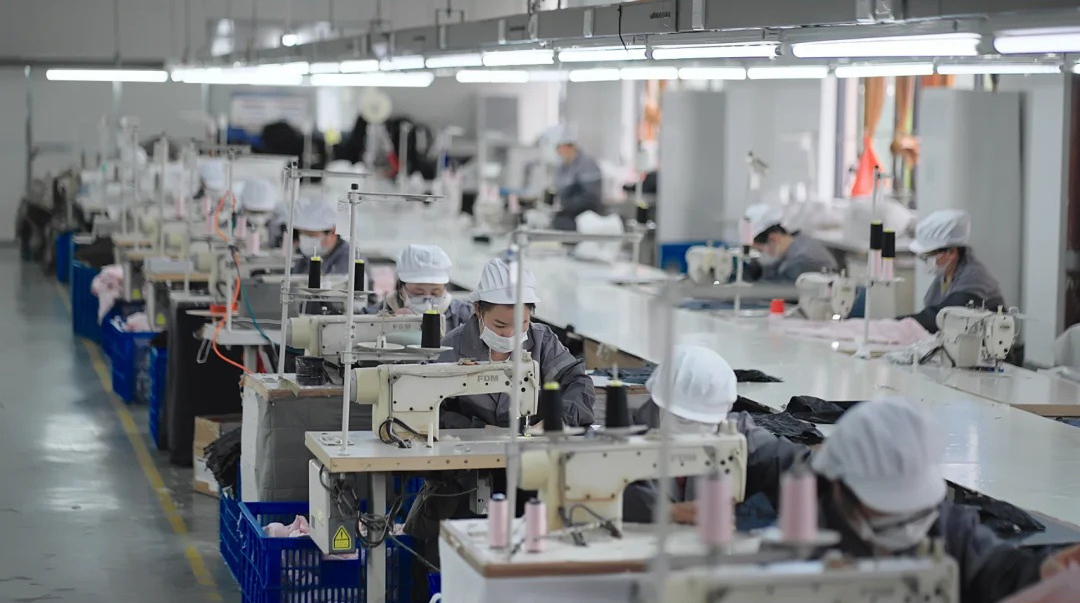
Reevaluate your production流程 (process flow). Identify bottlenecks and reduce non-value-added steps. Lean manufacturing principles, just-in-time production, and better workforce training can significantly enhance efficiency.

5. Build Strong Relationships with Suppliers and Customers

Long-term partnerships based on trust and reliability can help you negotiate better terms with suppliers and secure loyal customers. Communicate openly and offer flexibility where possible—especially in challenging times.

6. Upskill Your Workforce

Well-trained employees are more productive and can adapt to new technologies and methods. Offer training programs for sewing operators, pattern makers, and supervisors to improve overall capability and morale.

7. Explore Nearshoring or Regional Production

With global supply chains becoming less predictable, many brands are looking for manufacturers closer to their markets. If you’re located in or near regions like the EU, North America, or Southeast Asia, promote your geographic advantage.

8. Offer Value-Added Services

Stand out by providing more than just production. Services like design assistance, fabric sourcing, small-batch production, or quick turnaround samples can make you a preferred partner for emerging brands.

9. Monitor Financial Health Closely

Keep a tight grip on cash flow. Reduce unnecessary expenses, negotiate extended payment terms with suppliers, and ensure prompt invoicing and follow-up with clients. Consider alternative financing options if needed.

10. Stay Agile and Keep Innovating

The market is constantly changing. Stay updated on fashion trends, new materials, and consumer behaviors. Be willing to pivot and adapt your business model when necessary.

Conclusion

Surviving in today’s economy requires a mix of innovation, efficiency, and resilience. By embracing technology, strengthening relationships, and staying adaptable, garment manufacturers can not only navigate these tough times but also build a foundation for future growth.

What strategies is your factory using to stay competitive? Share your experiences below—we’d love to learn from each other.

Will Robots Replace Sewing Machine Operators in the Future of Garment Manufacturing? 1024 768 admin

Will Robots Replace Sewing Machine Operators in the Future of Garment Manufacturing?

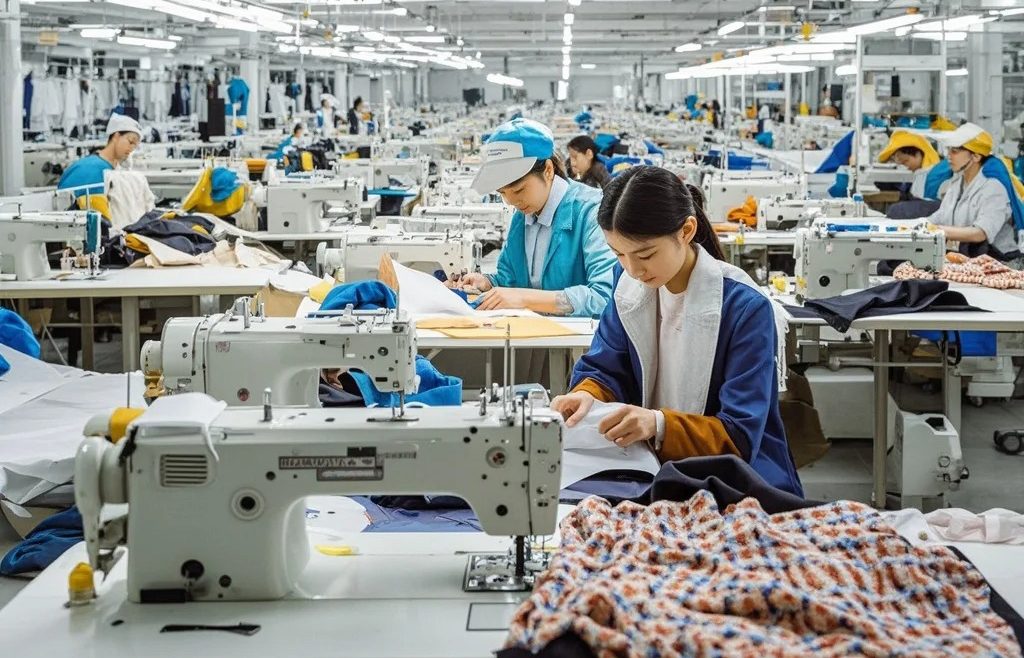
The garment industry has always been a symbol of human craftsmanship and creativity. For centuries, skilled sewing machine operators have been at the heart of clothing production, turning fabrics into wearable art. But with rapid advancements in automation and artificial intelligence, a pressing question arises: will robots eventually replace human workers in sewing operations?

The short answer is: partially, but not entirely—at least not in the immediate future.

The Rise of Automation in Garment Production

Robotic technology has already made significant inroads into many manufacturing sectors, and the textile industry is no exception. Companies are developing sewing robots capable of handling tasks such as:

– Sewing simple garments like t-shirts and jeans  

– Performing precise stitching in standardized patterns  

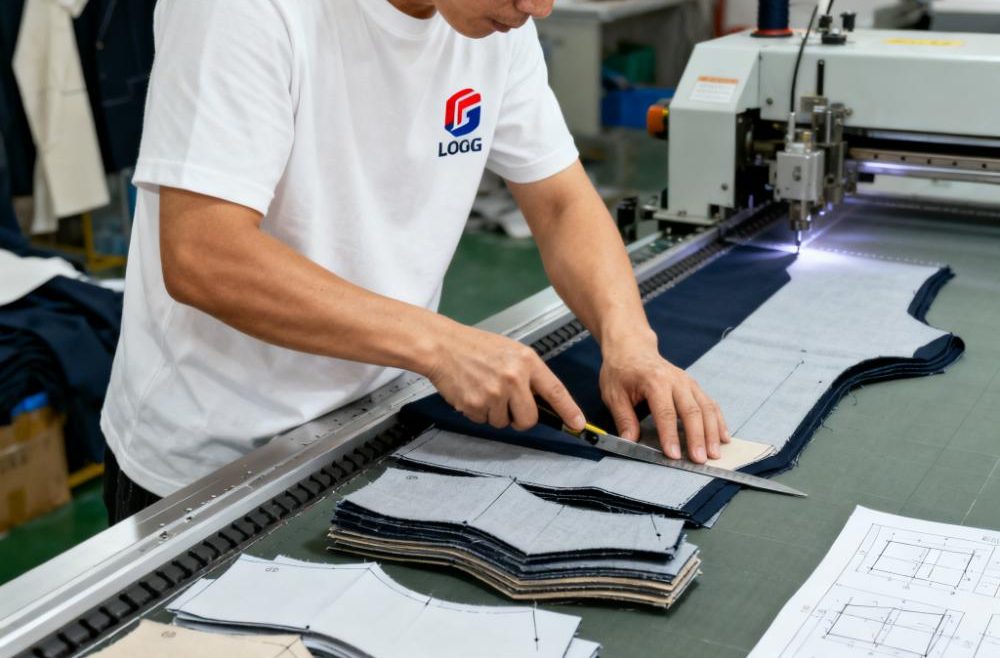
– Automating fabric cutting with laser precision  

– Using computer vision to detect defects  

These technologies promise higher efficiency, reduced production costs, and fewer errors. For large-scale fast fashion brands, where volume and speed are critical, automation offers a compelling advantage.

Why Human Workers Are Still Irreplaceable

Despite these advances, sewing remains a complex task that requires a level of dexterity, adaptability, and problem-solving that machines still struggle to match. Consider the following:

1. Complexity of Fabrics: Unlike rigid materials, textiles are flexible, slippery, and vary in texture. Robots often have difficulty handling delicate or stretchy fabrics without causing damage.

2. Intricate Designs: Detailed embroidery, custom tailoring, and creative finishes often require a human touch. High-end fashion and bespoke clothing still rely heavily on skilled artisans.

3. Adaptability: Humans can quickly switch between tasks, adjust to design changes, and troubleshoot unexpected issues—abilities that AI has yet to fully replicate.

4. Economic and Social Factors**: In many developing countries, the garment industry is a major source of employment. Wholesale replacement of human workers with robots could have significant socio-economic repercussions.

A Collaborative Future

Rather than full replacement, the future likely lies in collaboration between humans and robots. Automated machines can take over repetitive, labor-intensive tasks (e.g., sewing straight seams or cutting fabric), while human workers focus on quality control, design, customization, and managing complex assembly processes.

This hybrid model could lead to:

– Increased productivity and faster turnaround times  

– Improved working conditions by reducing physically strenuous tasks  

– Opportunities for workers to upskill and engage in more creative roles  

Conclusion

While automation will undoubtedly transform the role of sewing machine operators, complete replacement is not imminent. The future garment factory may be a blend of robotic efficiency and human ingenuity—where machines handle precision and repetition, and humans bring creativity, judgment, and craftsmanship to the process.

What are your thoughts? Will sewing become a fully automated process one day, or will human touch always remain invaluable? Share your opinions below!

You can use this blog post directly on platforms like Medium or LinkedIn.** Let me know if you’d like a version with hashtags or visual suggestions for social media sharing!

Why Does the Same Piece of Clothing Have Different Price Levels? 1008 756 admin

Why Does the Same Piece of Clothing Have Different Price Levels?

Have you ever noticed that two seemingly identical shirts can have vastly different price tags? One might cost $20 while another, nearly indistinguishable at first glance, is priced at $200. What explains this discrepancy? Let’s break down the key factors that influence clothing pricing, even when the items appear similar.  

1. Brand Value & Perception

Luxury brands charge premium prices not just for the product itself but for the prestige associated with their name. A simple white T-shirt from a high-end designer label can cost hundreds because customers are paying for the brand’s reputation, exclusivity, and perceived status.  

2. Fabric Quality & Material Sourcing  

Two garments may look alike, but the fabric composition can differ significantly. Higher-priced clothing often uses premium materials like organic cotton, silk, or ethically sourced wool, which are more durable and comfortable. Cheaper alternatives might use synthetic blends that wear out faster or feel less pleasant against the skin.  

3. Production & Labor Costs

Ethical manufacturing practices, fair wages, and safe working conditions increase production costs. Fast-fashion brands often cut corners by outsourcing labor to low-wage factories, while sustainable or high-end brands invest in responsible production, leading to higher retail prices.  

4. Design & Craftsmanship

A $200 dress might feature hand-stitched details, custom patterns, or limited-edition designs, whereas a $20 version could be mass-produced with minimal attention to fit and finish. The time and skill invested in craftsmanship justify the higher price.  

5. Marketing & Retail Experience

Luxury brands spend heavily on advertising, celebrity endorsements, and high-end retail spaces (think marble-floored boutiques). These costs are factored into the final price. In contrast, budget brands rely on minimal marketing and online sales to keep prices low.  

6. Supply Chain & Exclusivity

Limited-edition releases or small-batch production drive up demand and prices. Meanwhile, fast-fashion brands quickly replicate trends using cheaper materials and sell them at a fraction of the cost.  

Final Thoughts

While two garments may look similar, the real differences lie in quality, ethics, branding, and production values. Whether you prioritize affordability, sustainability, or luxury, understanding these factors helps make informed purchasing decisions.  

What’s your approach—do you invest in pricier, long-lasting pieces, or prefer budget-friendly fashion? Share your thoughts in the comments!