binjaitoto
  • Dongguan City, China / nancy@tosinfashion.com, Whatsapp: +8613826947014

Uncategorized

Apparel Factory for Women’s Clothing: Your One-Stop Solution for Global Orders 1024 768 user

Apparel Factory for Women’s Clothing: Your One-Stop Solution for Global Orders

Women’s clothing demands meticulous attention to details. It also requires precise fits and a keen grasp of style trends. These elements are unique to female consumers worldwide.

As a dedicated women’s apparel factory, we deeply understand these specific needs. We don’t just mass-produce clothes. We craft pieces that align with global fashion preferences. Our team tracks seasonal trends closely. We know what silhouettes, fabrics, and details resonate with different markets.

Many global entrepreneurs and emerging designers choose us. The reason is our sole focus on women’s wear. This focus makes our expertise more targeted and reliable. Whether you need a trendy midi dress, a comfortable knit top, or a stylish blazer, we know how to create pieces that work for your target audience.

One-Stop Services: From Design Concept to Finished Products

1. Professional Design & Tech Pack Support

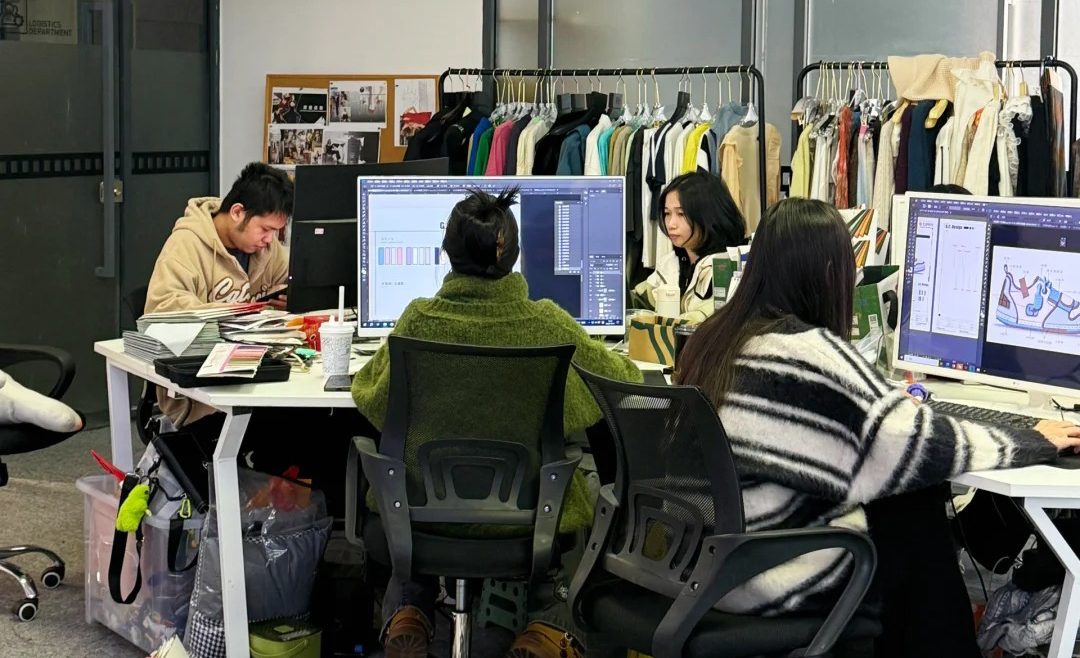
Our one-stop solution starts with design collaboration. If you have a vision but need help refining it, our design team can assist. We create detailed tech packs. These include size charts, fabric specifications, and stitch details. A clear tech pack ensures no misunderstandings during production.

We also offer trend analysis for your market. This helps you make informed decisions about styles and colors. Our goal is to turn your ideas into actionable production plans.

2. Sample Development & Approval

After finalizing the design, we move to sample development. We source high-quality fabrics and trims for your samples. We produce a proto sample for you to review. This sample lets you check fit, style, and overall aesthetic.

We welcome your feedback and make revisions promptly. We adjust details like sleeve length, neckline shape, or fabric weight. We repeat the sample process until it meets your exact expectations. Only with your final approval do we proceed to mass production.

3. Full-Scale Production & Quality Control

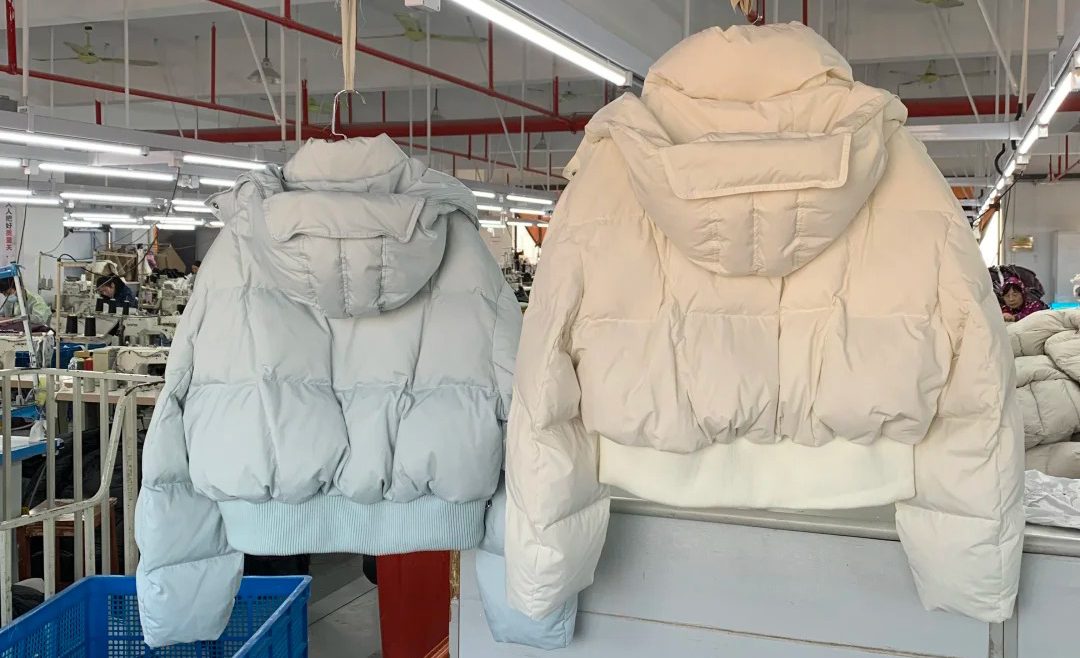
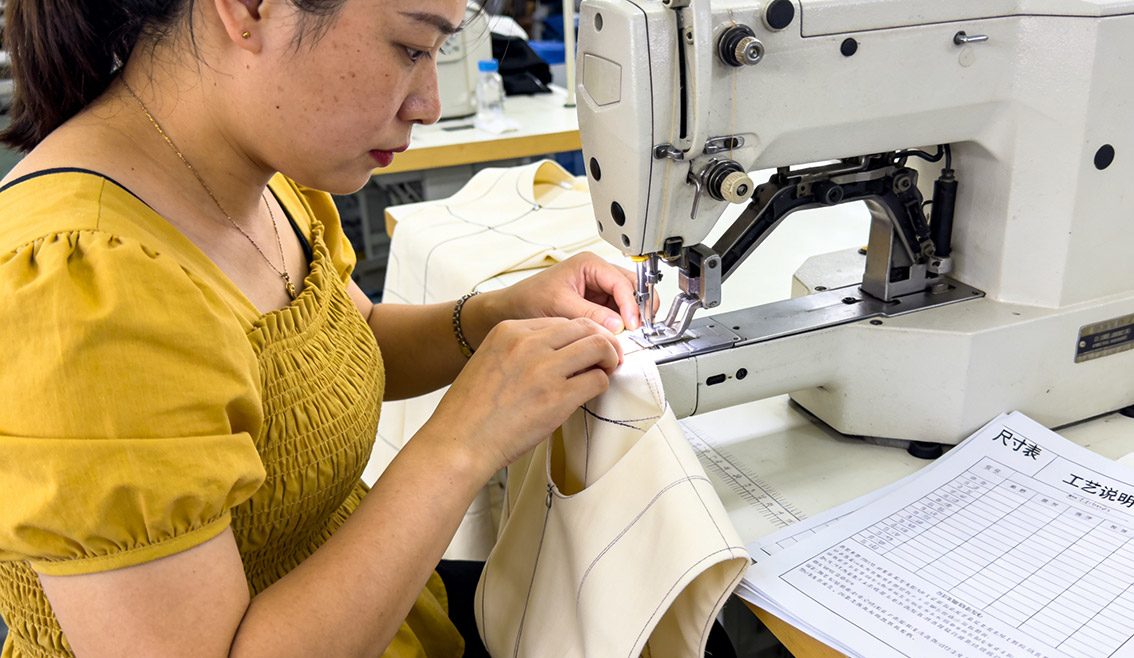
Our production line is optimized for women’s clothing. We handle various fabric types—from lightweight chiffon to durable denim. Our skilled workers pay close attention to delicate details. These include invisible zippers, decorative stitching, and precise dart placements.

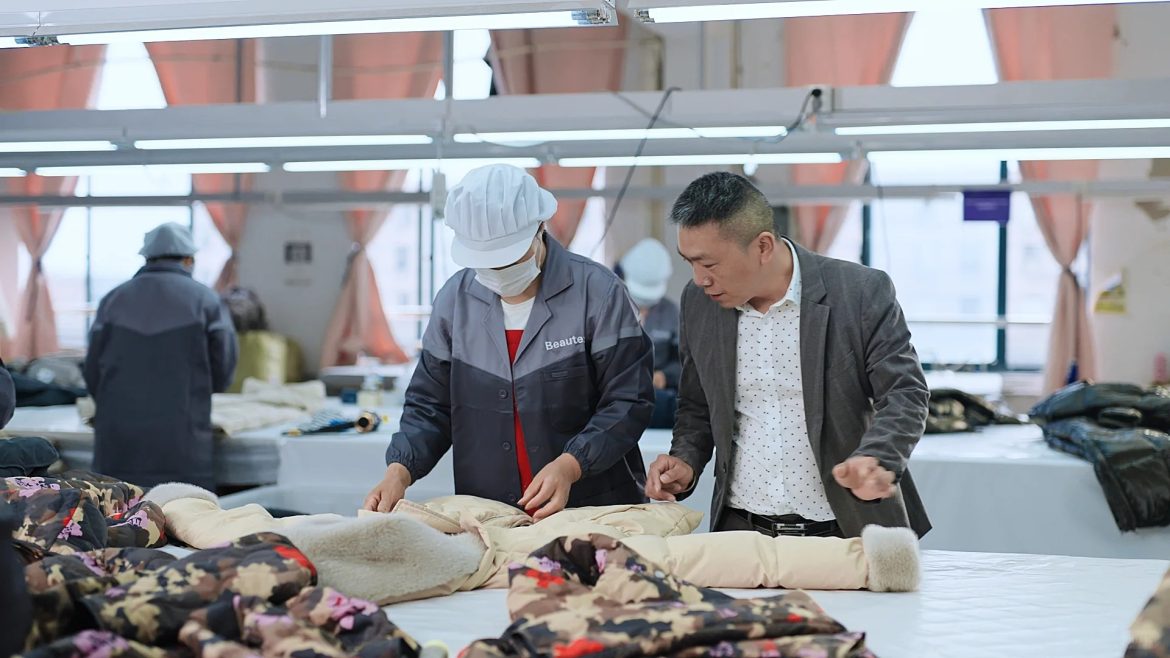
We implement strict quality control throughout production. We inspect garments at every stage: cutting, sewing, and finishing. This ensures consistent quality across all pieces. We also conduct a final inspection before shipping.

Adapting to Global Orders: Flexible for Small and Large Scales

Support for Emerging Brands: Small-Batch Orders

We understand the challenges of emerging brands. That’s why we welcome small-scale orders. Our minimum order quantity (MOQ) is flexible. It fits the budget and inventory needs of new businesses.

For small batches, we offer the same level of quality and service. We help you test new styles in the market without heavy investment. We also provide quick turnaround times. This lets you respond fast to trend changes.

Solutions for Established Brands: Large-Volume Orders

For established brands, we have the capacity to handle large-volume orders. Our production lines can scale up to meet high demand. We offer competitive pricing for bulk orders. This helps you reduce costs and improve profit margins.

We also ensure on-time delivery for large orders. We use advanced production planning tools to avoid delays. Our logistics team is experienced in global shipping. We handle all customs documents and shipping arrangements.

Why Choose Us as Your Women’s Clothing Partner

Choosing the right apparel factory is critical for your brand’s success. Our sole focus on women’s wear makes us experts in the field. Our one-stop service simplifies your supply chain. It saves you time and effort in coordinating multiple partners.

We adapt to your order size and market needs. We combine quality craftsmanship with flexible service. Our goal is to be your reliable partner for global women’s clothing orders. Let us help you bring your brand’s vision to life.
Tips for Building a Long-Term Partnership with Your Custom Apparel Manufacturer 1024 576 user

Tips for Building a Long-Term Partnership with Your Custom Apparel Manufacturer

A lasting partnership with a custom apparel manufacturer is more than a transaction. It is a strategic alliance that fuels brand growth and ensures success. A strong, trusting relationship improves communication. It speeds up problem-solving and streamlines production. This partnership helps both sides work toward common goals. These include improving quality, lowering costs, and adopting sustainable practices. Building such a relationship requires time, effort, and commitment from both parties. Here are key tips for developing a successful long-term partnership.

Prioritize Open and Transparent Communication

Clear communication forms the core of any strong partnership. Be open with your manufacturer about your brand’s goals, challenges, and expectations. Share detailed information about your designs, timelines, and budget. Encourage your manufacturer to be equally transparent. They should explain their capabilities, processes, and any potential issues.

Establish regular check-ins. Weekly updates or monthly meetings keep everyone informed. This allows for quick resolution of any concerns. Avoid last-minute changes without discussion. Sudden shifts can disrupt production and strain trust. Open dialogue builds alignment and mutual understanding.

Build Trust Through Reliability and Consistency

Trust grows from consistent, reliable actions. As a brand, keep your promises. Provide timely feedback on samples. Approve materials and designs promptly. Pay invoices on schedule. Consistent order patterns help your manufacturer plan better.

Expect the same reliability in return. Your partner should meet deadlines. They should deliver steady quality and communicate problems early. Trust enables collaborative problem-solving. It helps both sides take supported risks during challenges. Over time, this trust makes the partnership stronger and more resilient.

Align on Shared Goals and Values

A partnership thrives on common purpose. Understand your manufacturer’s core values. Learn about their approach to sustainability and ethics. Ensure these match your brand’s principles.

Set shared objectives together. You might aim to reduce material waste or improve energy efficiency. Perhaps you want to explore new markets as a team. Shared goals create a united direction. For example, if both value sustainability, you can collaborate on eco-friendly materials. This unified effort drives meaningful progress.

Foster Collaboration and Mutual Respect

View your manufacturer as a strategic partner, not just a supplier. Involve them early in design and planning. Their technical knowledge can offer valuable insights. Listen to their suggestions and remain open to adjustments.

Respect their team, expertise, and processes. Likewise, expect them to respect your brand vision. A collaborative environment makes both sides feel valued. This positive dynamic encourages innovation and leads to better outcomes for everyone.

Be Flexible and Adapt to Change

The fashion industry changes constantly. Both brands and manufacturers must stay flexible. Market trends, consumer preferences, and global events affect production. Be willing to adjust plans when needed. Supply chain issues or demand shifts may require quick changes.

Encourage your manufacturer to also be adaptable. If a fabric is unavailable, work together to find a good alternative. Flexibility keeps the partnership strong during uncertainty. It helps both sides succeed in a dynamic market.

Recognize and Appreciate Contributions

Acknowledging your partner’s efforts strengthens your bond. Recognize their hard work, skill, and dedication. Celebrate shared successes. Mark the launch of a new collection or the achievement of a joint goal.

Give positive feedback on what they do well. Offer constructive suggestions kindly. Appreciation boosts morale and deepens loyalty. It turns a business relationship into a committed partnership.

Plan for Long-Term Development Together

Look beyond immediate orders. Discuss future growth and development. Share your brand’s roadmap and upcoming projects. Understand your manufacturer’s capacity and expansion plans.

Joint planning helps anticipate needs and scale smoothly. It ensures your partner can support your growth over time. This forward-thinking approach solidifies your alliance.

Navigate Challenges as a Team

Issues will arise. How you handle them defines the partnership. Address problems openly and without blame. Work together to find solutions. View challenges as opportunities to improve processes.

A cooperative approach during difficulties builds stronger trust. It proves the partnership can endure and adapt.

Invest in the Relationship

A long-term partnership is a valuable investment. It pays back through smoother operations, better quality, and shared growth. Commitment from both sides is essential. Dedicate time to nurture the connection. Visit the factory when possible. Meet the team behind production.

Personal engagement reinforces professional commitment. It transforms a supplier into a true partner.

Conclusion: A Partnership That Grows With You

Building a lasting partnership requires intention and care. Focus on communication, trust, shared goals, and respect. Stay flexible and appreciative. Plan for the future together.

A strong manufacturer relationship becomes a key brand asset. It supports stability, innovation, and sustainable success. Start building that partnership today for lasting growth tomorrow.

The Role of Technology in Modern Custom Apparel Manufacturing 1024 768 user

The Role of Technology in Modern Custom Apparel Manufacturing

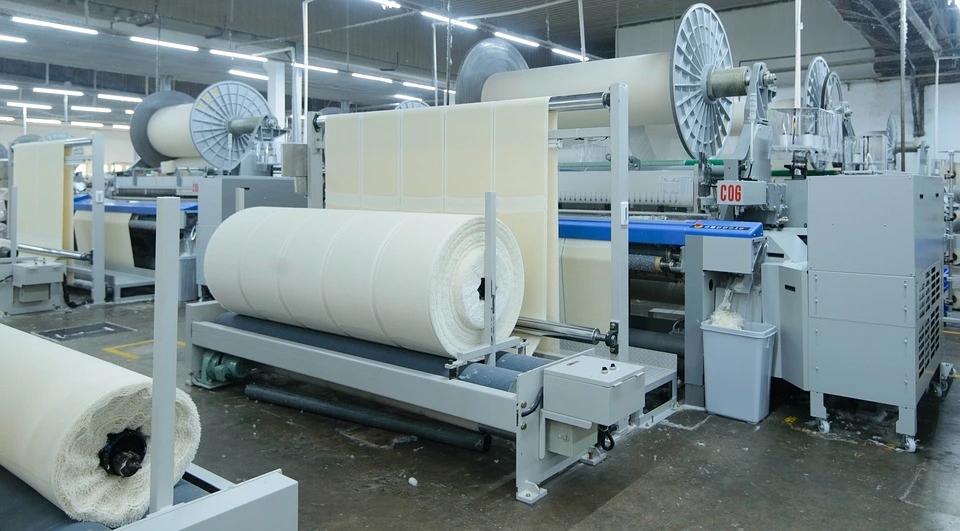
Technology has revolutionized almost every industry. Custom apparel manufacturing is no exception. From initial design to final delivery, advanced technologies are reshaping how custom clothing is made. They make the process more efficient, accurate, and sustainable. For brands, adopting these tools is essential. It helps them stay competitive in a fast-changing market. This post explores the key technologies driving modern custom apparel manufacturing forward.

1. 3D Design and Virtual Prototyping


The era of depending only on 2D sketches is fading. 3D design technology is now transforming custom apparel creation. Designers can produce detailed virtual prototypes of garments. This allows brands to visualize styles in three dimensions. They can test fabrics, colors, and fits in real time. All of this happens without cutting any real fabric.

This virtual approach reduces the need for physical samples. It saves significant time and lowers material waste. Cost savings are another clear benefit. Virtual prototypes are easy to share with manufacturers and partners. This improves communication and ensures everyone shares the same vision. Many brands now use 3D tools to streamline design. They bring new products to market much faster.

2. Digital Sampling and Pattern Making


Traditional manual pattern making is being replaced. Digital tools now make this stage faster and far more accurate. Specialized software lets pattern makers create and adjust patterns precisely. Errors are reduced and sizing stays consistent.

Digital sampling tools create virtual samples. They closely mimic the look and feel of real garments. This eliminates multiple rounds of physical sampling. The pre-production phase speeds up considerably. Fabric waste and costs drop as a result. For brands, this means quicker feedback. Designs can be refined more efficiently. Lead times shorten and products launch sooner.

3. Automated Production Processes


Automation is changing the factory floor. Tasks once done by hand are now handled by advanced machines. Computerized cutting systems ensure precise, consistent fabric cuts. This reduces waste and boosts efficiency.

Automated sewing machines manage repetitive tasks. They work with high speed and accuracy. Skilled workers are then free to focus on complex details. Robotic arms assist with fabric handling and quality checks. This further improves efficiency and cuts human error.

Automation increases production speed. It also improves quality consistency. Manufacturers can better meet the specific demands of custom apparel brands.

4. Supply Chain Traceability Technology


Consumers and brands now value supply chain transparency. Traceability technologies make this possible. Tools like blockchain, RFID tags, and QR codes track a garment’s full journey. They follow it from raw material to finished product.

Blockchain keeps a secure, unchangeable record of each step. This ensures transparency and accountability. RFID tags and QR codes can be attached to garments. A simple scan reveals the fabric’s origin, production location, and manufacturing date. This level of openness builds consumer trust. It also helps brands demonstrate their commitment to ethical and sustainable practices.

5. Data Analytics for Production Optimization


Data analytics is increasingly vital in custom apparel production. Manufacturers and brands collect data from every stage. This includes design, sampling, production, and shipping.

Analytics tools help identify bottlenecks in the process. They optimize resource use and predict issues before they arise. For example, data can show which production lines are underperforming. Adjustments can then be made to improve efficiency.

Brands also use data to understand consumer preferences. This insight guides the design of apparel that truly meets market demand. Leveraging analytics leads to smarter decisions and better overall operational performance.

6. Integration and the Human Touch


Technology works best when combined with human expertise. Skilled technicians oversee automated systems. Designers use digital tools to enhance creativity. The goal is a balanced workflow. Technology handles repetitive and precise tasks. People focus on innovation, quality control, and customization.

This synergy ensures that technology serves the creative process. It does not replace the artisan’s role. Instead, it amplifies human skill and ensures consistent high quality.

Technology is reshaping custom apparel manufacturing. It brings better efficiency, lower costs, higher quality, and greater transparency. From 3D design to automation and data analytics, these advances help brands compete. As technology continues to evolve, its role will grow even more important. It will drive further innovation and sustainability in the industry. Brands that embrace these tools today will lead the future of custom apparel.

Choosing the Right Fabrics for Your Winter Apparel Series 1024 576 user

Choosing the Right Fabrics for Your Winter Apparel Series

The success of any Winter Apparel Series begins with fabric selection. The right material directly ensures warmth, defines style, and determines durability. For women’s winter fashion, strategic fabric choice is vital. This guide details the essential fabrics for building a standout collection.

Natural Fiber Classics: Wool and Its Variations

Wool is the timeless cornerstone of winter warmth. Its natural insulating and breathable properties are unmatched. Different types serve distinct purposes:

  • Merino Wool: Incredibly soft and fine. It is perfect for comfortable base layers and lightweight sweaters. It feels gentle against sensitive skin.
  • Cashmere: The pinnacle of luxury. It offers exceptional softness and lightweight warmth for premium knitwear.
  • Lambswool & Shetland Wool: Offer classic warmth and texture. They are ideal for chunkier sweaters and cardigans.
  • Wool Blends: Combining wool with nylon or polyester enhances durability. It also reduces cost. These blends are excellent for tailored coats, trousers, and structured blazers.

High-Performance Insulation: Down and Synthetic

For extreme cold, dedicated insulation is critical.

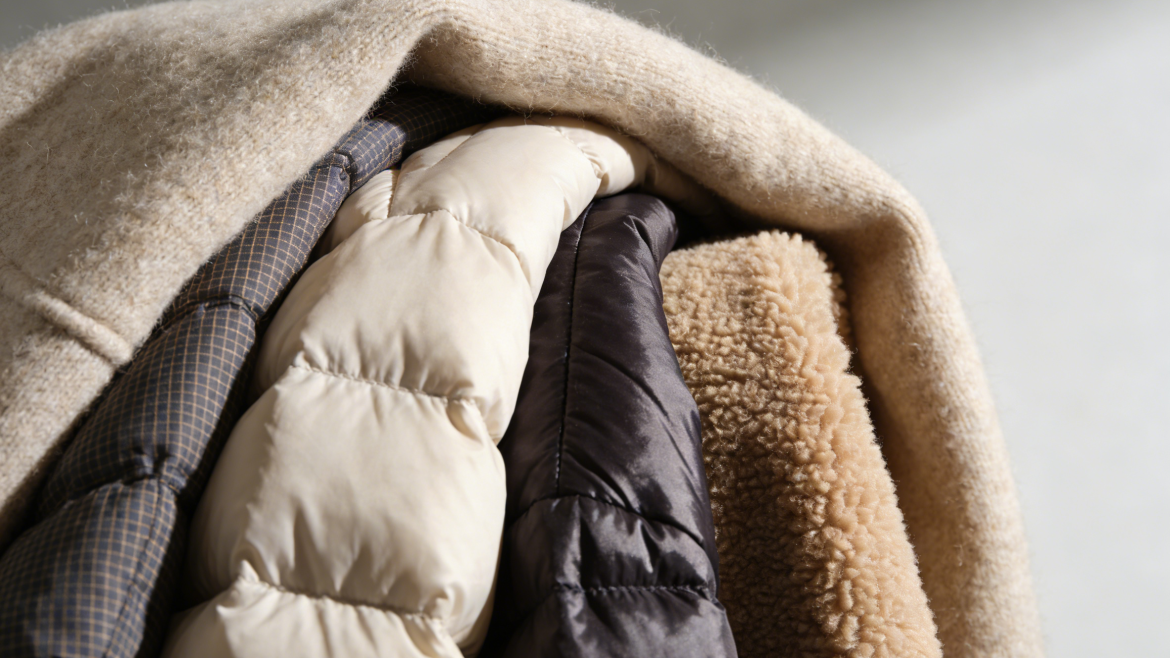
  • Down Insulation: Sourced from duck or goose plumage. It provides the best warmth-to-weight ratio. High fill power indicates greater loft and efficiency. It is ideal for premium puffer jackets and vests. It requires a tightly woven outer shell to contain the feathers.
  • Synthetic Insulation: Made from polyester fibers (e.g., PrimaLoft®). It retains warmth when wet and dries quickly. It is hypoallergenic and often more affordable. It is the best choice for activewear and jackets in damp climates.

Cozy Comfort Fabrics: Fleece and Sherpa

These fabrics deliver instant warmth and a soft hand-feel.

  • Fleece: Typically made from polyester. It is lightweight, warm, breathable, and easy to wash. It is perfect for casual jackets, vests, and cozy linings.
  • Sherpa: A fluffy, pile fabric mimicking sheepskin. It adds a playful, textured element to jackets, coats, and accessories. It appeals to customers seeking a cozy, statement look.

Functional Outer Layers: Weather-Resistant Fabrics

The outer shell must protect from the elements.

  • Technical Nylon/Polyester: Often treated with DWR (Durable Water Repellent) coatings. Some are laminated with waterproof-breathable membranes (e.g., GORE-TEX). These fabrics are essential for performance skiwear, parkas, and trench coats.
  • Treated Cotton Blends: Canvas or twill can be waxed or finished for water and wind resistance. They offer a more natural, fashion-forward aesthetic for utility-style jackets.
  • Soft-Shell Fabrics: Provide a blend of stretch, wind resistance, and breathability. They are ideal for active winter lifestyles and transitional pieces.

Strategic Selection for Quality and Appeal

Choosing fabrics is a strategic decision. It requires balancing cost, performance, and market appeal. Consider the garment’s purpose, your brand’s price point, and sustainability values. We assist you in navigating these choices. We source quality materials and ensure they meet performance standards. Let’s collaborate to build a standout Winter Apparel Series on a foundation of the right fabrics.

Key Design Elements for a Successful Winter Apparel Series 1024 768 user

Key Design Elements for a Successful Winter Apparel Series

Design is the transformative alchemy that turns premium fabric into compelling, covetable fashion. For a Winter Apparel Series, this creative process carries a heightened responsibility: it must masterfully balance aesthetic beauty with unwavering functionality. In a competitive market, smart, thoughtful design is a primary sales driver, directly influencing consumer attachment and purchase decisions. For women’s winter wear, where the demand for style coexists with the non-negotiable need for warmth and practicality, several key design elements converge to create collections that resonate deeply and perform flawlessly.

1. Strategic Silhouette: Defining the Winter Form


The silhouette establishes the immediate visual language and emotional tone of a garment. This season’s landscape is refreshingly diverse, moving beyond a single dictate to celebrate a spectrum of forms that cater to varied personal styles and body types.

The oversized silhouette continues to reign, embodying a sense of cocooning comfort and modern ease. This can manifest in a generously cut cocoon coat, voluminous puff sleeves on a wool sweater, or wide-leg wool trousers that offer both freedom and sophistication. The power of this silhouette lies in its intentionality—it’s about crafted volume, not mere bulk. Contrast is key: pairing an oversized chunky knit with sleek, tailored leather pants creates a balanced, fashion-forward look.

Conversely, the tailored, defined silhouette makes a powerful statement of precision and polish. Think of a long, double-breasted wool coat cinched with a belt to create a sharp, hourglass shape, or a streamlined, insulated puffer with quilting that follows the body’s contours. This approach appeals to the customer seeking structure, elegance, and a garment that clearly defines its form. Offering a strategic mix within your series ensures you cater to a broader range of customer identities, from the minimalist to the maximalist.

2. The Power of Detail: Crafting Distinction


Details are the punctuation marks of design—the subtle or bold features that elevate a garment from standard to special. In winter wear, details must often serve a dual purpose: aesthetic enhancement and functional improvement.

Focus areas include collars, cuffs, closures, and seams. A detachable faux fur collar instantly adds a touch of luxe drama and extra neck warmth. Thoughtful cuff designs—whether ribbed knit, adjustable with tabs, or finished with a contrasting velvet band—seal in heat and refine the garment’s terminus. Closures are a prime touchpoint: high-quality, branded zippers, custom antique-finish buttons, or elegant toggle fastenings signal quality and care. Even seam choices, like using contrasting topstitching or exposed industrial seams, can become a defining signature. These considered details are what customers notice up close, fostering a perception of value and craftsmanship that justifies premium positioning.

3. Functional Intelligence: Designing for Real Winter


In winter apparel, functional features are not optional add-ons; they are integral to the design philosophy and a major value proposition. Smart functionality demonstrates a genuine understanding of the wearer’s life in cold weather.

Essential features include ample, well-placed pockets (deep enough for gloves, and preferably lined for warmth), adjustable elements like hoods with drawstrings and hem cinches to keep out drafts, and protective extras such as inner storm cuffs, wind flaps behind zippers, and high collars. For outerwear, consider a dedicated goggle wipe or a secure, fleece-lined phone pocket. In knitwear, incorporating thumbholes in sleeve cuffs or a high funnel neck adds discreet, practical warmth. These features solve real-world problems, transforming a beautiful garment into a trusted companion during the winter months, which directly enhances customer satisfaction and loyalty.

4. Engaging the Senses: Color, Blocking, and Texture


Winter design offers a rich canvas for playing with visual and tactile interest. Moving beyond flat, single-texture looks is crucial for creating depth and desirability.

Color blocking remains a powerful tool, especially with the season’s rich, earthy palette. Imagine a coat with sleeves in deep forest green and the body in warm cream, or a sweater with a bold geometric pattern using tonal grays. This technique creates modern, eye-catching pieces that stand out.

Texture mixing is equally important. It’s about creating a dialogue between different materials: pairing a matte, brushed wool body with glossy satin panels on a dress; combining cable, rib, and smooth knit patterns in one sweater; or contrasting a sleek, technical nylon shell with a chunky, fuzzy sherpa lining. This layering of textures adds complexity, luxury, and a sensory appeal that makes garments more dynamic and engaging, encouraging touch and closer inspection.

5. A Customer-Centric Design Philosophy


Ultimately, exceptional design is rooted in empathy. It understands the customer’s lifestyle, her daily routines, her need for versatility, and her desire to feel both confident and comfortable. It’s about merging street-style trends with practical reality—creating a knit dress warm enough for a commute yet elegant enough for the office, or a parka that is technically capable for weekend adventures but stylish enough for urban errands.

Our design team specializes in this essential balance. We operate at the intersection of trend insight, technical knowledge of garment construction, and a deep understanding of manufacturing feasibility. We can help you translate a core concept into a cohesive, commercially viable Winter Apparel Series where every silhouette, detail, and functional feature is purposefully chosen to create distinction, drive desire, and deliver genuine utility. Let’s collaborate to design a collection that doesn’t just look exceptional on the rack but becomes an indispensable part of your customer’s winter wardrobe.

Choosing the Right Fabrics for Your Winter Apparel Series 1024 768 user

Choosing the Right Fabrics for Your Winter Apparel Series

The success of a Winter Apparel Series is fundamentally woven into the very fabric of its garments. The choice of material transcends mere aesthetics; it is a decisive strategic decision that directly dictates warmth, defines style, influences durability, and ultimately, determines market reception. For women’s winter fashion, where the demand seamlessly blends functionality with elegance, selecting the right fabrics is not just important—it is vital. This comprehensive guide explores the essential winter fabric families, their unique properties, and their strategic application to help you build a collection that is as technically proficient as it is beautifully compelling.

1. Wool: The Timeless Pillar of Winter Warmth


Wool remains the cornerstone of any sophisticated winter collection, celebrated for its unparalleled natural insulation, breathability, and inherent elegance. Its ability to wick moisture while retaining heat makes it irreplaceable. However, understanding its varieties is key:

  • Merino Wool: Sourced from Merino sheep, this is the premium standard for softness. Its fine fibers are exceptionally soft against the skin, eliminating itchiness and making it ideal for lightweight base layers, delicate sweaters, and elegant dresses. It offers excellent temperature regulation, keeping wearers warm without overheating.
  • Cashmere: Derived from the undercoat of cashmere goats, this fiber represents the pinnacle of luxury. It is incredibly soft, lightweight, and provides superior insulation. It is best used in premium sweaters, wraps, and refined knitwear that speaks to a high-end market segment.
  • Lambswool & Shetland Wool: Slightly more robust, these wools offer wonderful warmth and a classic, slightly textured feel. They are perfect for chunkier knit sweaters, cardigans, and tailored blazers, providing that quintessential winter look.
  • Wool Blends: Blending wool with nylon, polyester, or acrylic enhances durability, reduces shrinkage, and often lowers cost. These blends are workhorses for structured coats, trousers, and skirts, where shape retention and resilience are as important as warmth.

2. Insulation: Engineered Warmth for Extreme Conditions


When the temperature drops significantly, specialized insulation becomes the critical layer between comfort and the cold. This category is split into two main types:

  • Down Insulation: Sourced from the undercoating of ducks or geese, down is renowned for its exceptional warmth-to-weight ratio and superior compressibility. Its quality is measured by fill power—the higher the number, the greater the loft and insulating ability with less weight. Ideal for premium puffer jackets, vests, and sleeping bag coats, it provides unmatched warmth for dry, cold climates. A sleek, high-density nylon or polyester outer shell is essential to contain the down and add weather resistance.
  • Synthetic Insulation: Made from polyester fibers engineered to mimic down’s structure (e.g., PrimaLoft®, Thinsulate™), synthetic fills excel in damp conditions. They retain insulating power when wet, dry quickly, are often more affordable, and are hypoallergenic. This makes them perfect for active winter wear, ski jackets, and everyday puffers where moisture management and consistent performance are key.

3. Fleece & Sherpa: The Comfort-First Essentials


This category answers the consumer’s deep desire for cozy, tactile comfort. These fabrics are about instant warmth and a soft, inviting hand-feel.

  • Fleece: Typically made from polyester, fleece is lightweight, incredibly warm, breathable, and easy to care for. It is a versatile fabric for casual jackets, cozy vests, linings, and full-zip hoodies. Its brushed surface traps air for insulation, making it a perfect mid-layer or standalone piece for milder winter days.
  • Sherpa: Often made from polyester or acrylic, Sherpa is a pile fabric designed to mimic sheepskin. It is noticeably plush, fluffy, and has a distinctive, rugged-chic texture. Used as a lining in jackets and coats, or as the primary face fabric in statement pieces, it adds a playful, tactile dimension to a collection, appealing to a trend-driven audience.

4. Weather-Resistant & Technical Fabrics: Function Meets Fashion


The outer shell is a garment’s first line of defense. For winter, this means fabrics engineered to protect against wind, water, and snow.

  • Coated & Laminated Fabrics: Nylon and polyester canvases can be treated with durable water repellent (DWR) coatings or laminated with waterproof-breathable membranes (e.g., GORE-TEX). These technologies create a barrier against precipitation while allowing perspiration vapor to escape. They are non-negotiable for performance outerwear like ski shells, trench coats, and parkas.
  • Heavy-Duty Cotton Blends: Fabrics like cotton canvas or twill can be waxed or treated for enhanced water and wind resistance. They offer a more natural, matte aesthetic compared to synthetics, perfect for fashion-forward utility jackets and coats that prioritize style alongside moderate protection.
  • Soft-Shell Fabrics: These are versatile, woven fabrics (often polyester/nylon/spandex blends) that offer a combination of stretch, wind resistance, water repellency, and breathability. They are ideal for active lifestyles and transitional winter pieces, bridging the gap between a fleece and a hard shell.

Conclusion: A Strategic Fabric Selection Framework


Choosing fabrics is a holistic exercise in balancing cost, performance, aesthetic, and brand alignment. A successful series often strategically combines several of these fabric families—using merino wool for a sweater, a down-filled vest for insulation, and a weather-resistant shell for the coat. Consider the intended use, price point, and sustainability story (e.g., recycled polyester, Responsible Wool Standard-certified wool). As your manufacturing partner, we provide more than just execution; we offer guidance through this complex landscape. We help you navigate these choices, source quality materials, and test performance to ensure your Winter Apparel Series stands out for all the right reasons. Let’s collaborate to select the materials that will form the foundation of your next successful season.

Winter Apparel Series: Top Trends in Women‘s Winter Fashion 1024 786 user

Winter Apparel Series: Top Trends in Women‘s Winter Fashion

Winter is here, and with it comes a renewed sense of possibility in fashion. Buyers are actively seeking fresh, compelling ideas that resonate with the modern consumer’s desire for style, comfort, and versatility. Our latest Winter Apparel Series for women directly meets this demand, masterfully blending elegant aesthetics with essential warmth. This season, we recognize that comfort remains non-negotiable, but it is no longer separate from sophistication. The key trends we’ve integrated reflect this powerful balance, offering collections that are as thoughtful as they are beautiful. Understanding these trends is crucial for making informed, successful buying decisions.

1. The Art of Volume: Confidence in Oversized Silhouettes

The trend for generous, oversized silhouettes continues to dominate, moving beyond a fleeting style to become a cornerstone of modern winter dressing. This season, it’s about intentional volume that conveys both ease and confidence. We see it in chunky, cable-knit sweaters that feel like a cozy embrace, and in wide-leg wool trousers that offer unparalleled freedom of movement while creating a strikingly elegant line. The magic lies in the balance. The most popular styling technique involves pairing a voluminous bottom with a more fitted top—imagine a sleek, thin turtleneck tucked into those high-waisted, flowing trousers. This contrast defines the waist and creates a flattering, sophisticated silhouette that is both fashionable and functional. For outerwear, expect elongated blazers and cocoon-style coats that make a statement without sacrificing warmth, perfect for layering over various outfits throughout the day.

2. Sensory Appeal: The Primacy of Soft, Tactile Fabrics


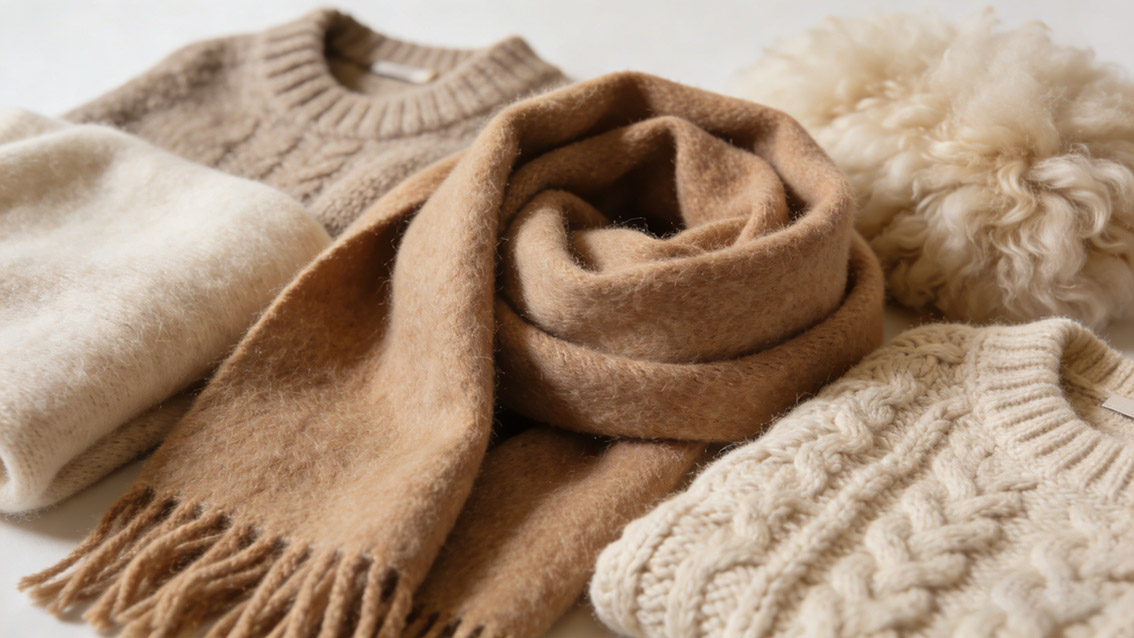
In a world craving tangible comfort, fabric choice is paramount. This winter, success lies in materials that invite touch and provide a sensory experience. We are focusing on textiles that feel luxuriously soft against the skin, transforming everyday dressing into a personal indulgence. Brushed wool and soft mohair blends offer lightweight warmth with a cloud-like feel. Plush sherpa, used as lining or as the main fabric, adds a playful yet chic texture that is incredibly inviting. Velvety corduroy makes a sophisticated comeback, with its fine wales adding visual depth and a rich hand to pants, jackets, and skirts. These fabrics do more than just keep the wearer warm; they add dimension, visual interest, and a sense of premium quality to every garment, making winter dressing something to genuinely look forward to.

3. A Grounded Palette: Depth with Earthy and Rich Colors


The color story for the season shifts towards a palette that feels both grounding and inherently cozy. Moving away from the brights of seasons past, we are embracing deep, earthy tones that connect to the natural winter landscape. Think rich chocolate browns, mossy forest greens, warm terracottas, and creamy off-whites. These hues are versatile and flattering, working harmoniously across different garment types and skin tones. They facilitate easy mixing and matching within a collection, allowing for endless outfit combinations. A forest green corduroy skirt can pair with a cream mohair sweater, while a deep brown oversized blazer can anchor a palette of warmer neutrals. This cohesive color strategy not only simplifies styling for the end-consumer but also ensures your shop floor or online store presents a unified, desirable aesthetic that encourages multiple purchases.

4. Layering Intelligence: The Core of Versatile Wardrobing


Practicality drives winter purchases, and nothing is more practical than versatile layering pieces that empower personal style. The demand is for items that are foundational yet distinctive, allowing customers to adapt to fluctuating indoor and outdoor temperatures with ease. Our series emphasizes these intelligent layers. Long-sleeve knit dresses in fine-gauge wool serve as both standalone pieces and perfect bases for pinafores or coats. Tailored vests, in quilted or knitted constructions, add a polished layer of warmth without bulk. High-quality, versatile cardigans and refined turtlenecks are also essential. These pieces empower the customer to build a functional capsule wardrobe, extending the wearability of their purchase and increasing perceived value. This focus on layered versatility is a key sales driver, as customers seek maximum utility and style from every item.

Our Winter Apparel Series is meticulously designed to capture and interpret these defining trends, providing you with a curated, market-ready collection that aligns with what today’s discerning customers want and need. We help you move beyond simply stocking inventory to offering a thoughtful narrative of winter style. From the deliberate drape of an oversized coat to the tactile pleasure of a soft-knit dress, each piece is created to inspire and sell. Let’s collaborate to bring this vision of beautiful, balanced, and bestselling winter wear to your customers.

Common Challenges in Custom Apparel Manufacturing and How to Overcome Them 1024 748 user

Common Challenges in Custom Apparel Manufacturing and How to Overcome Them

Custom apparel manufacturing is a complex process that involves multiple stages, stakeholders, and variables—making it prone to various challenges. For brands, these challenges can lead to delayed deliveries, increased costs, and compromised quality, all of which can harm brand reputation and customer loyalty. Understanding and proactively addressing these common challenges is essential for a smooth and successful custom apparel production process. In this post, we’ll highlight the most common challenges and share practical solutions to overcome them.

1. Quality Inconsistencies

One of the most prevalent challenges in custom apparel manufacturing is quality inconsistencies. This can occur due to variations in raw materials, inconsistent production processes, or lack of rigorous quality control. Poor quality not only disappoints customers but also leads to returns, refunds, and wasted resources. To overcome this challenge, establish clear quality standards with your manufacturer and implement a comprehensive quality control system that covers every stage of production. Conduct regular inspections of raw materials, work-in-progress garments, and finished products. Additionally, provide detailed feedback on samples and work closely with your manufacturer to address any quality issues promptly. By prioritizing quality and maintaining open communication, you can ensure consistent product quality.

2. Communication Gaps Between Brands and Manufacturers

Communication is the backbone of any successful custom apparel partnership, but gaps are common—especially when working with manufacturers in different regions or time zones. Misunderstandings about design specifications, timelines, or costs can lead to costly errors and delays. The solution is to establish clear and efficient communication protocols from the start. Use a single point of contact for all communications, share detailed tech packs with clear illustrations and specifications, and use collaborative tools to track progress. Schedule regular check-ins to discuss updates and address any questions. For international partnerships, consider time zone overlaps for meetings and use translation tools if necessary to ensure clarity. Clear communication eliminates misunderstandings and keeps the production process on track.

3. Supply Chain Disruptions

Supply chain disruptions—such as material shortages, transportation delays, or geopolitical issues—can significantly impact custom apparel production. These disruptions are often unexpected and can derail production timelines, leading to missed deadlines. To mitigate this risk, diversify your supply chain by working with multiple fabric and material suppliers. This ensures that you have alternative sources if one supplier faces issues. Additionally, plan ahead and maintain safety stock of critical materials, especially for popular or hard-to-find fabrics. Stay informed about global events and market trends that could affect the supply chain, and work with your manufacturer to develop contingency plans for potential disruptions. Proactive supply chain management helps minimize the impact of unexpected issues.

4. Rising Production Costs

Rising costs of raw materials, labor, and transportation are major challenges for custom apparel brands. These cost increases can eat into profit margins and force brands to raise prices, which may deter customers. To address this, optimize your production process to reduce waste and improve efficiency. For example, using efficient pattern cutting techniques can minimize fabric waste, while streamlining production lines can reduce labor costs. Negotiate long-term contracts with suppliers to lock in favorable pricing for materials. Additionally, consider producing in larger batches for core products to take advantage of economies of scale, while keeping small batches for seasonal or limited-edition items. Regularly review your production costs and look for opportunities to optimize without compromising on quality.

5. Meeting Tight Deadlines

In the fast-paced fashion industry, brands often face tight deadlines to launch new collections or meet seasonal demand. Meeting these deadlines can be challenging, especially if there are delays in sampling, production, or shipping. To overcome this, start the production process early and create a detailed timeline with realistic deadlines for each stage. Prioritize tasks and focus on critical path activities that directly impact the launch date. Work with a manufacturer that offers expedited production services for time-sensitive orders. Additionally, streamline the sampling process by providing prompt feedback and finalizing designs early. By planning ahead and working with a responsive manufacturer, you can meet tight deadlines without compromising on quality.

Custom apparel manufacturing comes with its share of challenges, but with proactive planning, clear communication, and strategic problem-solving, these challenges can be overcome. By addressing quality inconsistencies, improving communication, mitigating supply chain risks, optimizing costs, and planning for tight deadlines, brands can ensure a smooth production process and deliver high-quality custom apparel to their customers. Remember, building a strong partnership with your manufacturer is key—together, you can navigate challenges and achieve long-term success.

Sustainable Custom Apparel Manufacturing: Trends and Practices 960 531 user

Sustainable Custom Apparel Manufacturing: Trends and Practices

Sustainability has become a central focus in the apparel industry, driven by growing consumer demand for eco-friendly and ethically produced products. For custom apparel brands, adopting sustainable manufacturing practices is not only a way to meet consumer expectations but also to reduce environmental impact, improve brand reputation, and achieve long-term success. In this post, we’ll explore the latest trends and best practices in sustainable custom apparel manufacturing.

1. Eco-Friendly Fabric Sourcing

One of the most significant steps towards sustainable custom apparel manufacturing is the use of eco-friendly fabrics. This includes organic fibers (such as organic cotton, linen, and hemp) , recycled fibers (such as recycled polyester, recycled nylon, and recycled cotton) , and innovative sustainable materials. These fabrics have a lower environmental impact than conventional materials—for example, organic cotton uses less water and avoids harmful pesticides, while recycled polyester reduces plastic waste. Many custom manufacturers now offer a wide range of eco-friendly fabric options, making it easier for brands to adopt sustainable practices. When sourcing fabrics, look for suppliers that prioritize sustainability and can provide transparency about their material origins.

2. Waste Reduction in Production

The apparel industry is known for generating significant waste, but custom manufacturing offers opportunities to reduce this impact. Sustainable custom manufacturers use a variety of techniques to minimize waste during production, such as efficient pattern cutting (to maximize fabric usage) , recycling fabric scraps, and repurposing waste materials. For example, some manufacturers collect fabric scraps and turn them into accessories or filling for other products, while others use software to optimize pattern layouts and reduce fabric waste. Additionally, low MOQs in custom manufacturing help reduce overproduction, which is a major source of waste in the apparel industry. By producing only what is needed, brands can minimize unsold inventory and reduce their environmental footprint.

3. Ethical Production Practices

Sustainability is not just about the environment—it also includes ethical labor practices. Sustainable custom apparel manufacturers prioritize fair working conditions for their employees, including safe workplaces, reasonable working hours, and fair wages. They also ensure that their supply chain partners adhere to the same ethical standards. For brands, partnering with ethical manufacturers helps build trust with consumers, who are increasingly concerned about the people behind the products. Many brands now share information about their manufacturing partners and production practices with customers, highlighting their commitment to ethics and transparency.

4. Circular Economy Practices

The circular economy is a growing trend in sustainable apparel manufacturing, focusing on keeping products and materials in use for as long as possible. For custom apparel brands, this can include designing products for durability and recyclability, offering repair services, and implementing take-back programs for old garments. Some manufacturers are also exploring innovative recycling technologies that allow old garments to be broken down and turned into new fabric. By adopting circular economy practices, brands can reduce their reliance on virgin materials, minimize waste, and create a more sustainable business model.

5. Transparent Supply Chains

Supply chain transparency is a key component of sustainable custom apparel manufacturing. Consumers want to know where their clothes are made, who made them, and what materials were used. Sustainable brands and manufacturers provide this information through detailed reporting, supplier directories, and even traceability tools that allow customers to track their garment’s journey from fabric to finished product. Transparency not only builds trust with consumers but also helps identify areas for improvement in the supply chain. By working with transparent manufacturers, brands can ensure that their sustainable commitments are upheld throughout the production process.

Sustainable custom apparel manufacturing is no longer a niche trend—it’s a necessity for brands looking to succeed in today’s market. By adopting eco-friendly fabric sourcing, reducing production waste, implementing ethical practices, embracing circular economy principles, and promoting supply chain transparency, custom apparel brands can build a responsible and successful business. As consumer demand for sustainability continues to grow, partnering with a sustainable custom manufacturer will become an increasingly important competitive advantage.

How to Optimize Custom Apparel Production Lead Times 1000 752 user

How to Optimize Custom Apparel Production Lead Times

In the fast-paced world of fashion, production lead times can make or break a brand’s success. For custom apparel brands, long or unpredictable lead times can result in missed market opportunities, stockouts, and lost customers. Optimizing lead times is essential to staying competitive, meeting customer expectations, and maximizing revenue. Fortunately, there are several practical strategies to streamline the custom apparel production process and reduce lead times. In this post, we’ll explore these strategies in detail.

1. Efficient Pre-Production Planning

The pre-production phase is where many lead time delays occur, so efficient planning is key. Start by developing a detailed timeline that outlines every step of the process, from design finalization and fabric sourcing to sampling and production. Work with your manufacturer to set realistic deadlines for each stage and ensure that all parties are aligned. One of the most effective ways to speed up pre-production is to finalize your design and tech pack before engaging with a manufacturer. A complete and accurate tech pack eliminates back-and-forth revisions and ensures that your manufacturer can start work immediately. Additionally, plan for fabric sourcing in advance—popular fabrics can sell out quickly, so securing materials early prevents delays.

2. Clear and Timely Communication

Communication gaps are a major cause of lead time delays in custom apparel production. To avoid this, establish clear communication protocols with your manufacturer from the start. Assign a dedicated point of contact on both sides to ensure that questions, feedback, and updates are addressed promptly. Use collaborative tools or a shared platform to track progress and share documents (such as tech packs, sample feedback, and approval forms) . Be proactive in providing feedback on samples—delayed feedback can significantly extend lead times. Similarly, your manufacturer should notify you immediately of any potential issues, such as fabric shortages or production bottlenecks, so that you can work together to find a solution.

3. Strategic Partnership with a Reliable Manufacturer

Your choice of manufacturer has a direct impact on lead times. Partnering with a reliable, experienced custom apparel manufacturer that has efficient production processes and a strong supply chain network can significantly reduce lead times. Look for manufacturers that have in-house production capabilities (such as pattern making, cutting, and sewing) , as this eliminates the need to outsource certain steps, which can add time. Additionally, manufacturers with established relationships with fabric suppliers can source materials faster and more efficiently. When evaluating potential manufacturers, ask about their average lead times, their ability to handle rush orders, and their track record of meeting deadlines.

4. Streamline the Sampling Process

The sampling process is essential for ensuring quality, but it can also be a major bottleneck if not managed efficiently. To streamline sampling, clearly define your expectations for each sample stage (prototype, fit, pre-production) and provide detailed feedback promptly. Limit the number of sample revisions by ensuring that your tech pack is accurate and comprehensive from the start. Work with your manufacturer to set tight but realistic deadlines for sampling—many manufacturers offer expedited sampling services for brands that need to speed up the process. Additionally, consider combining sample stages where possible (e.g., combining fit and prototype samples for simple designs) to save time.

5. Optimize Production and Shipping Processes

Once production is underway, there are several ways to optimize the process and reduce lead times. Your manufacturer can optimize production by using efficient cutting and sewing techniques, organizing production lines effectively, and maintaining a skilled workforce. Implementing quality control checks throughout production rather than just at the end can also reduce delays, as issues are identified and resolved early. When it comes to shipping, plan ahead and choose the right shipping method for your needs. For time-sensitive orders, air freight may be necessary, while sea freight is a cost-effective option for non-urgent orders. Work with your manufacturer to coordinate shipping logistics in advance, ensuring that all documentation is complete and accurate to avoid customs delays.

Optimizing custom apparel production lead times requires a combination of efficient planning, clear communication, strategic partnerships, and streamlined processes. By implementing these strategies, you can reduce lead times, meet market demands faster, and gain a competitive edge in the fashion industry. Remember, lead time optimization is an ongoing process—continuously evaluate and refine your processes to ensure that you’re operating as efficiently as possible.