binjaitoto
  • Dongguan City, China / nancy@tosinfashion.com, Whatsapp: +8613826947014

Uncategorized

Flattering Fits: The Importance of Precision in Women’s Sweater Manufacturing 1024 683 user

Flattering Fits: The Importance of Precision in Women’s Sweater Manufacturing

For women’s knitwear, no design detail or luxury fabric can compensate for poor fit. A sweater may feature on-trend colors and intricate stitching, but if it sags in the wrong places or feels restrictive, customers will reject it. Fit is the unshakable foundation of successful women’s fashion. It directly impacts comfort, confidence, and ultimately, customer loyalty. This is why precision in pattern making and grading stands as a non-negotiable standard for top women’s sweater manufacturers. Below, we dive into why these processes matter and how they shape sweaters that flatter every body type.

The Complexity of the Female Silhouette in Knits

Creating a flattering sweater fit begins with understanding the complexity of the female silhouette. Unlike rigid woven fabrics, knits stretch and conform to the body, amplifying both fit successes and flaws. Women’s bodies vary widely in proportions—from bust and waist ratios to shoulder widths and hip shapes. A one-size-fits-all approach fails miserably here. Manufacturers must account for these variations to avoid common pitfalls, such as necklines that gape, sleeves that ride up, or waists that cinch uncomfortably. Additionally, knit fabrics behave differently; a lightweight merino sweater stretches more than a chunky cable knit, requiring tailored pattern adjustments for each.

The Pattern Making Process: Drafting for Stretch and Structure

Expert pattern making is the first step to achieving precise fit in women’s sweaters. This process goes beyond basic drafting; it requires calculating for knit stretch and structural integrity. First, pattern makers analyze the fabric’s stretch percentage—this determines how much to adjust the pattern to prevent sagging or tightness. For example, a fabric with 20% stretch needs a pattern that’s 10-15% smaller than the target body measurements. Next, they focus on key fit points: the bust dart placement to accommodate curves, the sleeve cap height for comfortable arm movement, and the waist shaping to flatter without constricting. Additionally, pattern makers add seam allowances tailored to knit fabrics, ensuring clean, durable finishes that don’t disrupt fit.

Grading Explained: Consistently Scaling a Design Across Sizes

Grading is the process of scaling a base pattern across multiple sizes, and it’s just as critical as pattern making. Poor grading results in inconsistent fit—what flatters a size small may look shapeless in a size large. Expert graders don’t just add inches uniformly; they adjust proportions based on body type data. For instance, when moving from a size medium to large, they may increase hip measurements more than shoulder width to match real female proportions. This ensures every size retains the design’s original flattering shape. Advanced manufacturers use digital grading tools to maintain precision, reducing human error and ensuring consistency across the entire size range.

Common Fit Challenges in Knits and How to Solve Them

Knitwear presents unique fit challenges, but skilled manufacturers have proven solutions. For example, gaping necklines—caused by inadequate stretch calculation—are fixed by adjusting the neckline curve and adding a ribbed band for structure. Sleeves that ride up are solved by lengthening the sleeve cap and adjusting the armscye depth. Another common issue is a sweater that stretches out after wear; this is addressed by selecting stable yarns and adding ribbing at cuffs and hems to retain shape. Additionally, uneven hemlines on curved bodies are corrected by grading the hem length slightly, ensuring it falls evenly all around.

The Value of Multiple Fit Samples for Perfection

Achieving perfect fit requires rigorous testing with multiple samples. Top manufacturers create samples in multiple sizes and test them on fit models with diverse body types. This real-world testing reveals fit issues that digital simulations may miss. For example, a sample may fit well on a straight-size model but feel tight across the bust on a curvier model. Manufacturers then refine the pattern based on this feedback, creating revised samples until the fit is consistent and flattering. This iterative process takes time but pays off; it eliminates costly production errors and ensures the final product meets customer expectations.

Investing in Fit for Returns in Loyalty

Investing in precise pattern making and grading isn’t just a production cost—it’s an investment in customer loyalty. Women remember sweaters that fit perfectly, making them more likely to repurchase and recommend the brand. For women’s fashion brands, partnering with a manufacturer that prioritizes fit sets them apart in a crowded market. Such a manufacturer turns knitwear from a basic garment into a confidence-boosting piece. In the end, fit isn’t just about measurements; it’s about how a sweater makes a woman feel. And when a brand gets that right, loyalty follows naturally.
Trend to Garment: How a Sweater Manufacturer Brings Women’s Fashion to Life 1024 768 user

Trend to Garment: How a Sweater Manufacturer Brings Women’s Fashion to Life

Bridging the Gap Between Catwalk and Closet

Runway shows and street style serve as endless wells of fashion inspiration. Yet translating these bold, often avant-garde ideas into wearable, commercial knitwear remains a major challenge. This is where a skilled women’s sweater manufacturer steps in—acting as the critical bridge between catwalk drama and everyday closet staples. For women’s fashion brands, partnering with a manufacturer that masters this translation is key to staying competitive. Such a partner doesn’t just follow trends; they refine and adapt them to meet real-world needs. Below, we explore the step-by-step process of turning fashion trends into best-selling women’s knitwear.

Spotting the Trend: Key Shapes, Textures, and Colors for the Season

The journey begins with trend spotting, a mix of data analysis and creative intuition. Top manufacturers closely monitor global fashion weeks, street style hubs, and trend forecasting reports. They identify core elements that will resonate with consumers—from silhouettes and textures to color palettes. For example, a season might lean into oversized silhouettes, chunky ribbed textures, or earthy terracotta tones. Manufacturers also distinguish between fleeting fads and long-lasting trends, helping brands invest wisely. Moreover, they tailor these trends to the women’s market, focusing on shapes that flatter diverse body types and textures that feel luxurious yet comfortable.

The Adaptation Challenge: Making High-Fashion Ideas Produzible

The biggest hurdle in trend translation is adapting high-fashion ideas for mass production. Runway pieces often feature intricate, hand-crafted details that are too time-consuming or costly to replicate at scale. Skilled manufacturers rise to this challenge by simplifying designs without losing their core appeal. For instance, a hand-knit runway sweater with complex cable patterns might be reworked using computerized knitting machines. This maintains the pattern’s visual impact while boosting production efficiency. Similarly, overly dramatic silhouettes might be adjusted for better mobility and fit. The goal is to keep the trend’s essence intact while ensuring the garment is practical to produce and wear.

Selecting Commercial Fabrics that Mimic Designer Looks

Fabric selection is another critical step in bridging trend and commerce. Designer knitwear often uses rare, expensive yarns that aren’t feasible for commercial lines. Manufacturers solve this by sourcing high-quality, cost-effective alternatives that mimic the designer look and feel. For example, a cashmere-cashmere blend from the runway might be replaced with a soft merino-acrylic blend. This retains the luxurious softness while lowering costs. Additionally, manufacturers prioritize fabrics that offer durability and ease of care—key for everyday wear. They also test fabrics for drape and stretch, ensuring the final garment lives up to the trend’s visual promise.

Creating a Cohesive Trend-Driven Collection

Turning individual trend elements into a cohesive collection requires careful curation. Manufacturers work with brands to ensure each piece complements the others, creating a unified aesthetic. This might involve repeating a core texture (like waffle knit) across multiple silhouettes or using a consistent color palette. They also balance statement pieces with wardrobe staples, giving consumers options to mix and match. For example, an oversized trend-driven sweater might be paired with a more fitted, classic cardigan in the same color family. This cohesion not only strengthens brand identity but also encourages customers to buy multiple pieces.

Speed and Agility: Getting Trendy Pieces to Market Fast

In fashion, timing is everything—especially with trend-driven pieces. Skilled manufacturers prioritize speed and agility to get garments to market before trends peak. They use streamlined production processes and maintain a stock of common yarns to reduce lead times. Many also offer small-batch production options, allowing brands to test trends with minimal risk. Additionally, manufacturers leverage digital tools like 3D sampling to speed up the design approval process. This agility lets brands capitalize on emerging trends quickly, staying ahead of competitors and meeting consumer demand in real time.

Your Manufacturer as a Trend-Enabled Partner

A top women’s sweater manufacturer is more than a production facility—they’re a trend-enabled partner. They guide brands through every step of the trend-to-garment process, from spotting key elements to delivering market-ready pieces. Their expertise in adaptation, fabric selection, and collection curation turns creative inspiration into commercial success. For women’s fashion brands looking to thrive in a fast-paced market, this partnership is invaluable. It ensures your knitwear is not just on-trend, but also wearable, affordable, and desirable. In the end, the best manufacturers don’t just bring fashion to life—they help your brand lead the way.

The Art of Feminine Knits: Partnering with a Women’s Sweater Manufacturer 1024 768 user

The Art of Feminine Knits: Partnering with a Women’s Sweater Manufacturer

More Than Just a Garment – An Expression

Feminine knits are far more than mere winter essentials. They serve as powerful expressions of style, comfort, and femininity. For women’s fashion brands, creating standout knitwear requires more than design talent. It demands a deep partnership with a manufacturer that understands the unique nuances of the female market. A skilled women’s sweater manufacturer translates creative vision into pieces that resonate emotionally. Every stitch carries intent, balancing aesthetic appeal with wearability. This blog explores the art of feminine knits and why choosing the right manufacturing partner is critical to success.

Understanding the Female Form: Silhouettes and Fit Priorities

At the core of exceptional women’s knitwear lies a precise understanding of the female form. Unlike generic knit manufacturing, women’s sweaters demand tailored silhouettes that flatter diverse body types. Manufacturers must prioritize fit details that enhance femininity. For instance, subtle waist shaping creates a curved silhouette without feeling restrictive. Extended shoulder lines soften the frame, while tapered cuffs prevent slipping and add polish. Moreover, sizing ranges must be inclusive, accommodating everything from petite to plus sizes. A manufacturer that masters these fit nuances ensures knits feel custom-made, boosting customer satisfaction and loyalty.

The Language of Detail: Lace, Crochet, Bows, and Embroidery

Details are the language of feminine knitwear, elevating basic sweaters into statement pieces. Skilled manufacturers excel at integrating delicate elements that align with women’s aesthetic preferences. Lace inserts, for example, add romance to necklines or cuffs, using fine yarns to maintain breathability. Crochet trims bring artisanal charm, often hand-finished for a unique touch. Bows and ribbon accents offer playful versatility, while subtle embroidery adds understated luxury. Beyond these elements, stitch patterns matter—cable knits convey coziness, while ribbing creates structure and stretch. A manufacturer that understands how to balance these details ensures knits feel special yet wearable.

Fabrication for Feel and Drape: Choosing the Right Yarns

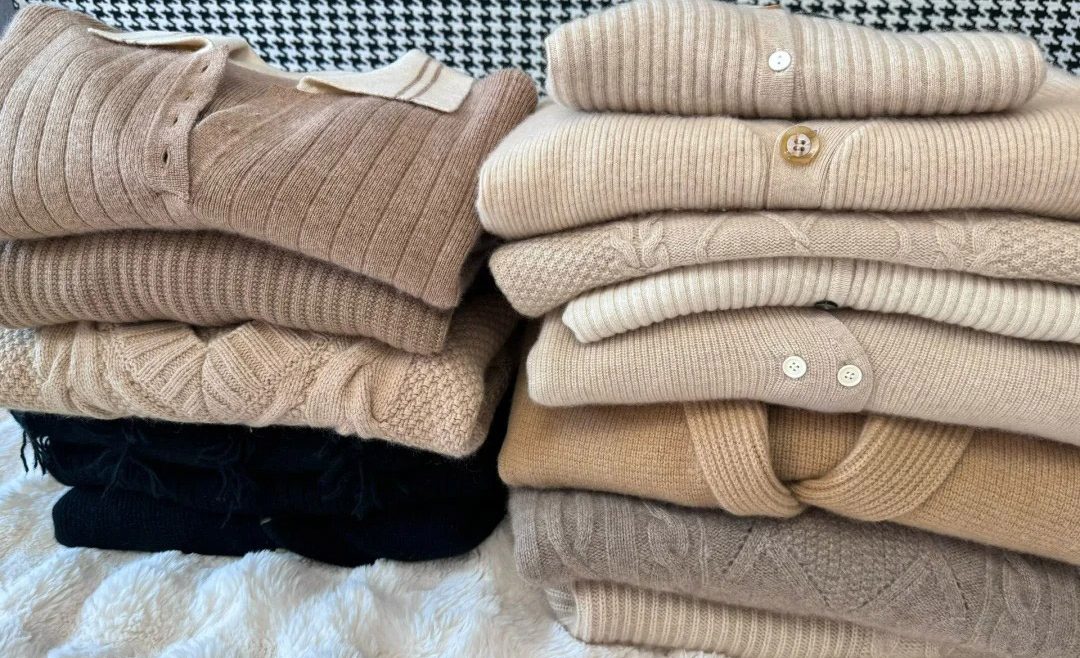
Fabric selection defines the feel and drape of feminine knits, making yarn choice a critical step. Top manufacturers prioritize yarns that offer both comfort and visual appeal. Soft cashmere blends deliver luxury and warmth, ideal for premium pieces. Merino wool provides breathability and moisture-wicking, perfect for transitional weather. For more affordable options, high-quality acrylic blends mimic natural fibers while adding durability. Additionally, yarn weight impacts drape—fine gauge yarns create lightweight, flowy pieces, while chunky yarns offer volume and coziness. A manufacturer that guides brands in yarn selection ensures knits meet both aesthetic and functional goals.

Color Trends and Seasonal Palettes in Women’s Fashion

Color plays a pivotal role in making feminine knits on-trend and desirable. A knowledgeable manufacturer stays ahead of seasonal color trends, helping brands curate palettes that resonate. For spring/summer, soft pastels like blush, lavender, and mint dominate, evoking freshness. Fall/winter collections lean into warm tones—rust, camel, and deep burgundy—creating a cozy, inviting feel. Neutral shades like ivory, gray, and black remain wardrobe staples, offering versatility. Moreover, manufacturers understand color dyeing techniques that ensure consistency across batches. They can also create custom hues that align with a brand’s identity, making knits truly unique.

Collaboration: Translating a Fashion Sketch into a Wearable Reality

Successful feminine knitwear creation relies on seamless collaboration between brand and manufacturer. The process starts with sharing design sketches and mood boards. The manufacturer then provides technical expertise, advising on feasible stitch patterns, yarns, and fit adjustments. Next, a sample is created, allowing the brand to test fit, fabric, and details. Revisions are made collaboratively until the sample meets expectations. Once approved, production begins with strict quality control at every stage. This collaborative approach ensures the final product stays true to the design vision while being production-efficient. A manufacturer that values open communication makes this translation process smooth and stress-free.

Crafting Knits that Empower and Delight

Feminine knits have the power to empower and delight, making them a cornerstone of women’s fashion. Creating these pieces requires a manufacturing partner that combines technical skill with a deep understanding of the female market. From fit and details to fabric and color, every element must be intentional. The right manufacturer doesn’t just produce sweaters—they bring brand visions to life. For women’s fashion brands, investing in this partnership ensures knitwear that stands out, connects with customers, and drives sales. In the art of feminine knits, collaboration isn’t just helpful—it’s essential.

Your Partner for Premium Ladies’ Embroidered Polo Shirt Manufacturing 1024 768 user

Your Partner for Premium Ladies’ Embroidered Polo Shirt Manufacturing

Creating premium ladies’ embroidered polo shirts requires more than just basic manufacturing skills—it demands specialization. Women’s wear, especially high-end pieces, has unique nuances in fit, fabric, and design that generic factories often overlook. For brands targeting discerning female consumers, partnering with a specialized factory is the key to success. A dedicated manufacturer understands the subtle curves of women’s bodies, the preferred fabrics for comfort and style, and the intricate embroidery details that elevate a polo from ordinary to luxurious. This blog explains why our specialization makes us the ideal partner for your high-end ladies’ embroidered polo shirt production.

Our Dedicated Production Line for Ladies’ Polos

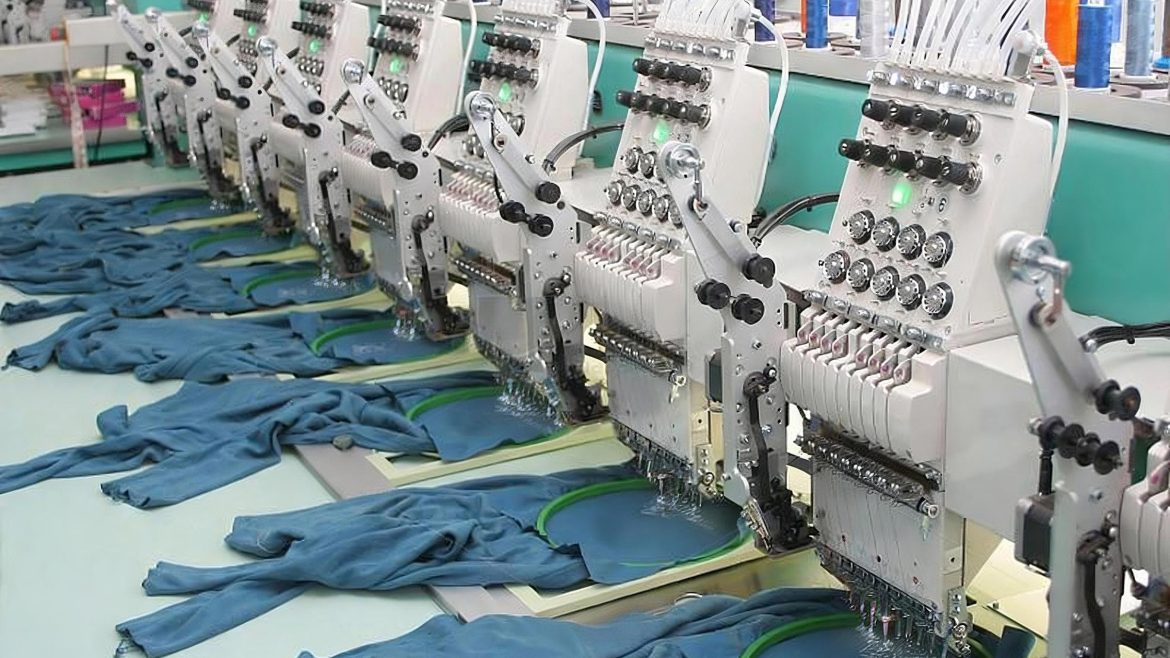
Firstly, we operate a dedicated production line exclusively for ladies’ polos, ensuring focused attention to every detail. Unlike factories that handle mixed genders and garment types, our line is optimized for women’s specific needs. We use specialized sewing machines for delicate fabrics and precise embroidery equipment tailored for intricate women’s motifs. Our team consists of skilled tailors with years of experience in women’s wear, trained to handle the subtle adjustments needed for a perfect fit. This dedicated setup minimizes errors and ensures consistency across every batch. Whether you need small runs of luxury polos or large-scale production, our line is flexible enough to meet your requirements without compromising quality.

Attention to Detail: From Thread Color to Finishing

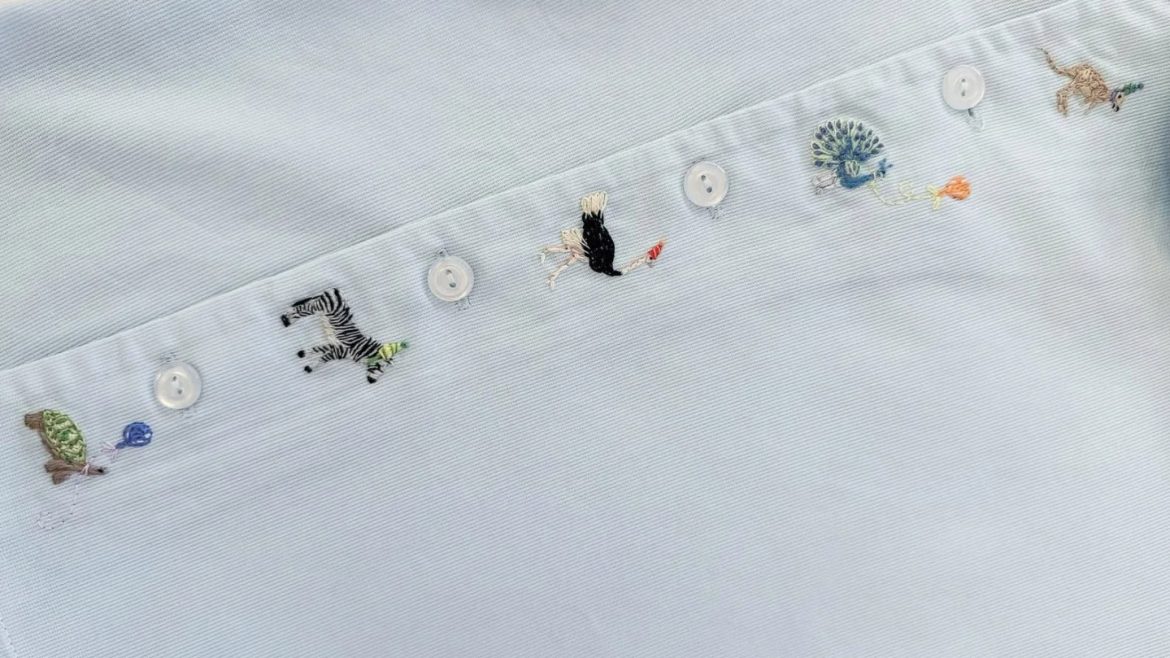
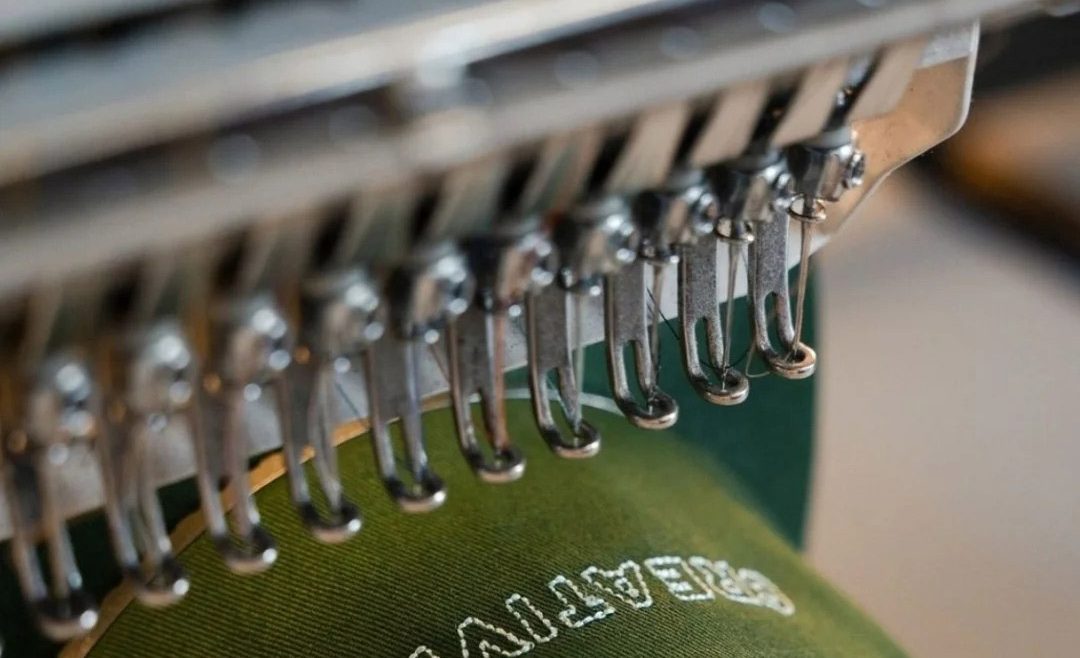
At our factory, premium quality starts with obsessive attention to detail. We work closely with you to match thread colors exactly to your brand palette, using high-quality polyester or silk threads that retain vibrancy after repeated washes. For embroidery, our craftsmen adjust stitch density and depth based on the fabric type—ensuring delicate threads don’t damage lightweight materials. We pay equal attention to finishing touches: tagless labels for irritation-free comfort, neatly trimmed loose threads, and perfectly aligned seams. Even small details like button selection are carefully curated to complement the polo’s design. This meticulous approach ensures every polo meets the high standards your brand and customers expect.

Quality Control Processes Tailored for Apparel

Our quality control (QC) processes are specifically tailored for high-end ladies’ embroidered polos. We implement a multi-stage QC system that starts with raw material inspection—testing fabrics for durability, color fastness, and pre-shrinkage. During production, each garment is inspected at key stages: after cutting, sewing, embroidery, and finishing. Our QC team checks for fit accuracy, embroidery integrity, and stitching quality. Before shipping, we conduct a final inspection, including wash tests to ensure shape retention and color stability. We also provide detailed QC reports for each batch, giving you full transparency. This rigorous process ensures no defective products reach your customers, protecting your brand’s reputation.

Understanding and Meeting Fashion Calendar Deadlines

We understand that meeting fashion calendar deadlines is critical for your brand’s success. Our production team is well-versed in the fast-paced fashion industry and works proactively to deliver orders on time. We start by creating a detailed production schedule tailored to your timeline, with clear milestones for design approval, sample production, and bulk manufacturing. Our dedicated line minimizes production delays, and we maintain open communication throughout the process—updating you on progress and addressing any issues promptly. We also offer flexible production options for urgent orders, ensuring you never miss a launch date. With us as your partner, you can trust that your premium polos will be ready when you need them.

Begin a Partnership Focused on Your Success

Partnering with us means more than just manufacturing—it means collaborating with a team invested in your success. We start by listening to your brand vision, target audience, and design requirements. Our design team can assist with technical drawings and sample development, ensuring your ideas translate into high-quality products. We offer flexible minimum order quantities, supporting both emerging and established brands. We also provide post-production support, including packaging and shipping solutions tailored to your needs. Our goal is to make the manufacturing process seamless and stress-free, allowing you to focus on growing your brand. Choose us as your premium ladies’ embroidered polo shirt manufacturer, and let’s create exceptional products that resonate with your customers.

Beyond the Basics: Styling Embroidered Polos for Women’s Collections 1024 769 user

Beyond the Basics: Styling Embroidered Polos for Women’s Collections

A beautifully crafted embroidered polo reaches its full potential when styled to resonate with customers. Styling isn’t just about looking good—it’s about selling a lifestyle, a dream that customers want to step into. For brands, effective styling turns a product into a relatable outfit, helping shoppers visualize how the polo fits into their daily lives. Whether for lookbooks, social media, or in-store displays, the right styling highlights the polo’s embroidery details while emphasizing versatility. This guide shares actionable styling ideas and visual merchandising tips to make your custom women’s embroidered polos stand out.

Lookbook Inspiration: The Athleisure Vibe

Firstly, the athleisure trend remains a top choice for engaging lookbook content. Pair a slim-fit embroidered polo with high-waisted athletic leggings in a complementary color. For example, a white polo with subtle floral embroidery works beautifully with soft gray leggings. Add white sneakers and a matching baseball cap to complete the sporty-chic vibe. Layer a lightweight zip-up jacket over the polo for cooler weather scenarios—leave the jacket unzipped to showcase the embroidery. This styling highlights the polo’s comfort and versatility, appealing to customers who value both style and functionality in their activewear.

Smart-Casual Office Attire

Beyond athleisure, styling embroidered polos for smart-casual office wear expands their appeal. Match a relaxed-fit polo (in neutral tones like navy or beige) with high-waisted tailored trousers. A polo with minimalist logo embroidery adds a professional touch without being too formal. Layer a cropped blazer over the polo—choose a blazer in a contrasting texture, such as linen for summer or wool for winter. Finish the look with block-heel sandals or loafers and a structured tote bag. This outfit shows customers how to transition the polo from weekend wear to the office, increasing its perceived value.

Weekend and Leisure Pairings

Weekend and leisure styling should focus on comfort and effortless charm. Pair an oversized embroidered polo with high-waisted denim shorts or a denim skirt. For a playful touch, roll up the polo sleeves to showcase embroidery on the cuffs. Add ankle boots or espadrilles depending on the season. For a beach or resort vibe, style a lightweight cotton polo with flowy linen pants and strappy sandals. Accessorize with a wide-brimmed hat and a crossbody bag to complete the laid-back look. This styling emphasizes the polo’s versatility for casual outings, from brunch dates to weekend getaways.

Using Accessories to Elevate the Look

Accessories play a key role in elevating embroidered polo outfits. Delicate gold necklaces pair beautifully with collared polos, drawing attention to the neckline without competing with chest embroidery. Scarves tied loosely around the neck add a pop of color and sophistication—choose a scarf with a pattern that complements the polo’s embroidery. Belts are another great accessory: cinch a wide belt around the waist of an oversized polo to create a more defined silhouette. For evening events, add statement earrings and swap sneakers for heeled mules to dress up the polo. These small additions turn basic outfits into standout looks.

Visual Tips for Your Product Photography

Effective product photography ensures your styling translates well to digital and print platforms. Use natural light for bright, authentic photos—shoot near a large window or outdoors during golden hour. Choose simple, neutral backgrounds (like white, beige, or soft gray) to keep the focus on the polo’s embroidery and details. Capture both full-body outfit shots and close-up details of the embroidery. For social media, add lifestyle elements, such as a coffee cup or a book, to make the photos relatable. Use consistent lighting and editing styles across all images to build brand recognition. Additionally, include photos of the polo being worn by diverse models to appeal to a wider audience.

Floral, Geometric, Modern: Embroidery Trends for Women’s Polos 1024 768 user

Floral, Geometric, Modern: Embroidery Trends for Women’s Polos

1. Introduction: Embroidery as a Fashion Statement

Embroidery has evolved from a subtle branding tool to a bold fashion statement in women’s polos. Today’s female consumers crave personalized, on-trend pieces that reflect their style. The right embroidery motif can elevate a basic polo into a standout item, driving sales for brands and retailers alike. From soft florals to sleek geometric shapes, modern embroidery trends blend creativity with wearability. This guide explores the most popular embroidery trends for women’s polos, offering inspiration to shape your next collection.

2. Trend 1: Delicate and Bold Floral Applications

Firstly, floral embroidery remains a top trend but with fresh, modern twists. Delicate floral motifs are perfect for timeless appeal. Think small, scattered daisies or hand-drawn roses along the collar edge or sleeve. These subtle designs use soft pastel threads—blush, lavender, or mint—to keep the look elegant. On the other end, bold floral statements are gaining traction. Large-scale tropical blooms or vibrant garden florals take center stage on the back or front of polos. These use rich, contrasting threads to create a eye-catching focal point. Both styles work well with lightweight fabrics like cotton or linen blends, ensuring the embroidery doesn’t weigh the garment down.

3. Trend 2: Abstract Lines and Geometric Shapes

Beyond florals, abstract lines and geometric shapes are defining modern embroidery. Clean, minimalist lines—such as wavy curves, straight stripes, or chevron patterns—add a contemporary edge. These designs often use monochromatic threads or subtle color gradients for a sleek look. Geometric shapes like hexagons, circles, or triangles are another favorite. They can be arranged in repeating patterns or as standalone accents. For example, a cluster of small geometric shapes on the left chest adds visual interest without being overwhelming. This trend appeals to fashion-forward consumers who prefer a modern, minimalist aesthetic.

4. Trend 3: Minimalist Logos and Typography

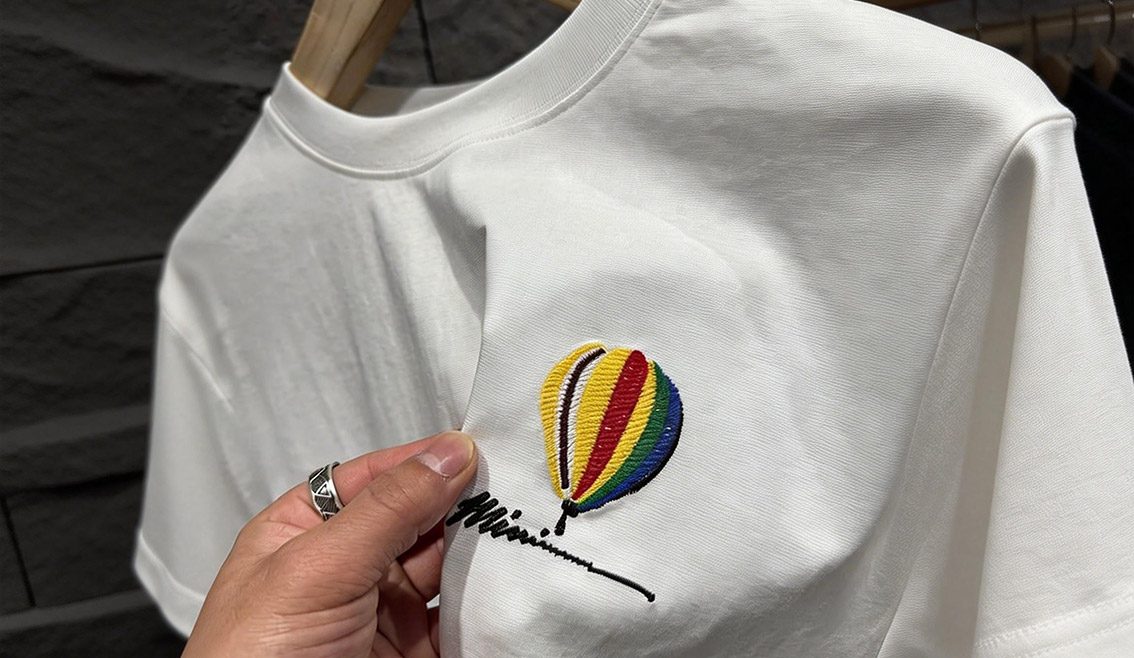
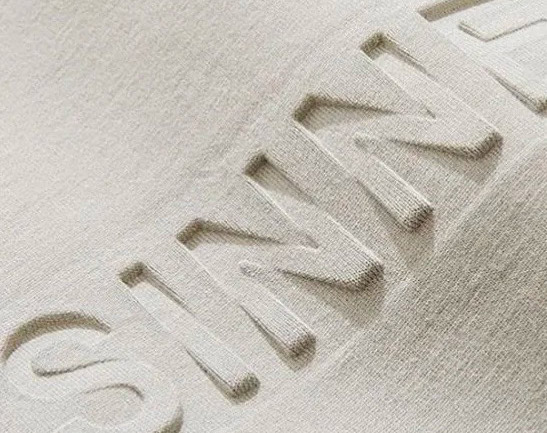
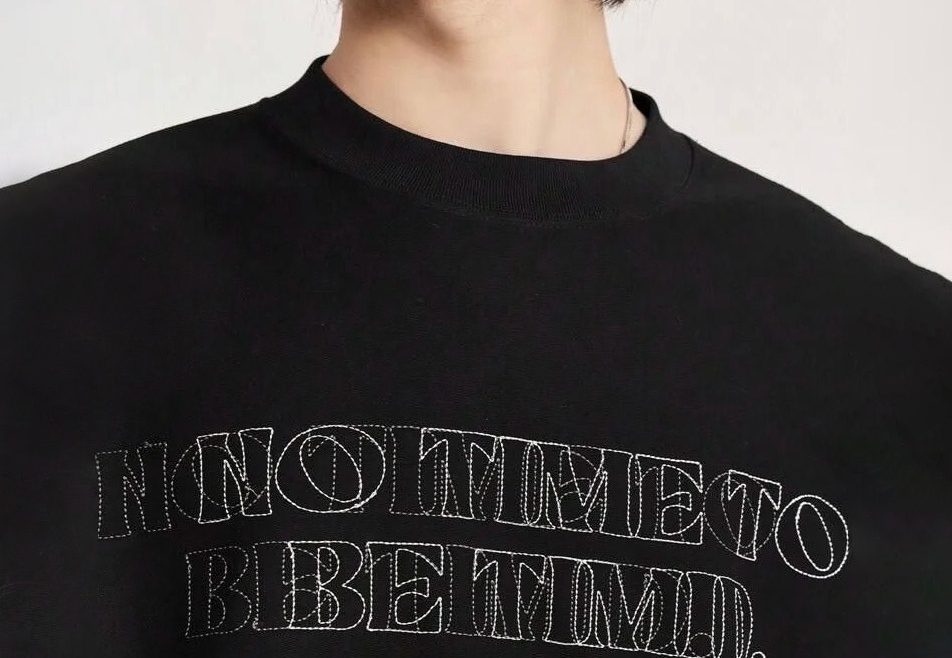
Another key trend is minimalist logo and typography embroidery. Brands are moving away from large, bold logos to subtle, refined designs. Tiny logo embossing or outline-only logos on the cuff or collar are popular choices. Typography takes center stage too—short, meaningful phrases or single initials stitched in elegant scripts or sans-serif fonts. These designs use tone-on-tone threads or slight color contrasts to maintain a sophisticated look. Minimalist embroidery works for both corporate and casual polos, making it a versatile option for brands targeting diverse audiences.

5. Trend 4: Placement Ideas: Sleeves, Back, and Pockets

Modern embroidery trends also push the boundaries of traditional placement. Moving beyond the classic left chest, sleeves are a hot spot. A thin embroidered stripe down the arm or a small motif on the upper sleeve adds subtle style. The back of the polo offers a large canvas for creative designs—bold florals or abstract patterns here make a statement without being too loud. Pockets are another creative placement. Embroidering a small motif on a chest pocket—like a tiny flower or geometric shape—adds a charming, detail-oriented touch. These unexpected placements make polos feel unique and personalized.

6. Translating Trends into Your Custom Design

To turn these trends into successful custom designs, start by understanding your target audience. For a luxury brand, opt for delicate florals or minimalist logos. For a youth-focused line, bold florals or geometric patterns will resonate better. Consider the fabric and fit too—lightweight fabrics suit delicate embroidery, while structured fabrics can handle bolder designs. Work with an experienced factory to test embroidery samples, ensuring the threads and stitching complement the garment. Don’t be afraid to mix trends—for example, combine minimalist typography with subtle geometric accents. By blending on-trend elements with wearability, you’ll create polos that customers love and wear repeatedly.

Designing the Perfect Women’s Fit Polo: A Factory’s Guide 547 433 user

Designing the Perfect Women’s Fit Polo: A Factory’s Guide

Introduction: Fit is King in Women’s Apparel

In women’s fashion, fit reigns supreme—especially for staple pieces like polo shirts. A poorly fitted polo can ruin the garment’s appeal, no matter how high-quality the fabric or embroidery. For brands and designers, understanding women’s fit nuances is critical to creating products that resonate. As a specialized women’s wear factory, we recognize that every curve and measurement matters. This guide breaks down the key fit elements, from silhouette types to sleeve and hem options. It will help you design polos that flatter diverse female body types and meet market demands.

Defining Fit: Slim, Regular, and Relaxed Comparisons

First and foremost, let’s clarify the three core women’s polo fits and their key differences. Slim fit polos are tailored to hug the body gently. They feature subtle darting at the waist and a narrower bust area, ideal for highlighting curves without feeling restrictive. This style appeals to fashion-forward shoppers and professional women. Regular fit, by contrast, offers a balanced silhouette. It provides moderate room at the bust and waist, striking a harmony between comfort and shape. It’s a versatile choice for everyday wear and broad customer bases. Relaxed fit polos are designed with extra room through the torso. They have dropped shoulder lines and a straight waist, prioritizing maximum comfort. This style is popular for casual and activewear lines. Importantly, our factory adjusts key measurements—such as bust circumference and waist width—for each fit to ensure universal flattery.

Sleeve Lengths: From Cap to Full-Length

Sleeve length significantly impacts a polo’s style and seasonality. Cap sleeves are a feminine option, covering just the shoulder cap. They’re perfect for warm weather and complement sleeveless-friendly body types. Short sleeves are the most classic choice; our standard short sleeve hits 2-3 inches above the elbow. We also offer adjustable short sleeve lengths to suit your design vision. Three-quarter sleeves fall midway between the elbow and wrist. They add a touch of elegance and work well for transitional seasons. Full-length sleeves provide warmth for cooler months. We line them with lightweight fabric to avoid bulkiness. Additionally, all our sleeve designs feature tapered cuffs for a clean finish that won’t dig into the arm.

Hem and Length Options: Cropped, Tunic, or Classic

Hem style and garment length further customize a polo’s look and functionality. Cropped polos end 2-3 inches above the hip bone. They’re trendy among younger consumers and pair well with high-waisted bottoms. Classic length polos hit at the mid-hip, offering universal appeal and versatility. Tunic-length polos extend to the upper thigh. They’re ideal for layering or wearing as a standalone piece for a relaxed, bohemian vibe. Our factory also offers curved hems for a more feminine touch, as opposed to straight hems which lean casual. When choosing a length, consider your target audience—activewear brands may prefer cropped or classic lengths, while resort brands might opt for tunics.

Neckline and Placket Variations

Neckline and placket details add subtle personality to women’s polos. The classic ribbed collar is a staple, but we also offer scalloped or piped collars for a decorative touch. V-neck polos are a popular alternative to the traditional crew neck, offering a more feminine silhouette. For plackets, the standard 2-button design is timeless. We can also create 3-button plackets for a modern twist or buttonless plackets for a sleek, minimalist look. Importantly, all our collars and plackets are reinforced with interfacing to maintain shape after repeated washes. This attention to detail ensures long-lasting quality.

How to Specify Your Desired Fit to Us

To ensure we deliver your ideal fit, clear communication is key. Start by sharing your target audience profile—this helps us recommend suitable fits and measurements. Provide reference samples or detailed measurement charts, including bust, waist, hip, and garment length. Specify your preferred sleeve length, hem style, and neckline/placket details. Our design team will then create a digital fit mockup for your approval. We also produce a physical sample to test the fit on real models. This iterative process ensures no fit issues slip through. Additionally, we retain your fit data for future orders, ensuring consistency across collections. Partner with us, and we’ll turn your fit vision into a wearable, flattering reality.

Why Embroidered Polo Shirts Are a Must-Have for Women’s Retail Brands 1024 690 user

Why Embroidered Polo Shirts Are a Must-Have for Women’s Retail Brands

1. Introduction: The Retail Potential of Custom Polos

In the competitive women’s fashion retail landscape, curating a collection that balances style, versatility, and profitability is key. Embroidered polo shirts emerge as a hidden gem in this context. They are not just casual staples—they are powerful branded assets that drive sales and build customer loyalty. Notably, modern female consumers seek pieces that blend comfort with brand identity. Embroidered polos perfectly meet this demand, making them a non-negotiable addition to any women’s retail brand’s lineup. This blog explores why these pieces are essential and how to leverage them for retail success.

2. High Perceived Value with Low Production Cost

Firstly, embroidered polos deliver high perceived value while maintaining low production costs— a winning combination for retail profitability. The intricate embroidery details instantly elevate the garment’s luxury feel. Consumers are willing to pay a premium for this personalized, high-quality look. In contrast, the base production of polo shirts is relatively affordable compared to complex dresses or outerwear. Moreover, bulk production further reduces per-unit costs. This creates a healthy profit margin for brands. Unlike fast-fashion items that depreciate quickly, embroidered polos retain their value, encouraging repeat purchases and positive word-of-mouth.

3. Year-Round Appeal and Layering Potential

Another key advantage is their year-round appeal and layering versatility. This eliminates the risk of seasonal stockpiling, a major pain point for retail brands. In spring and summer, lightweight embroidered polos stand alone as stylish, breathable tops. In fall and winter, they shine as layering pieces—paired with cardigans, blazers, or jackets. This versatility extends their sales window, driving consistent revenue throughout the year. Additionally, their timeless design ensures they don’t go out of style. Brands can reintroduce updated embroidery designs annually without overhauling the core garment, reducing design and production costs.

4. Building a Cohesive Brand Story

Embroidered polos play a vital role in building a cohesive brand story. The embroidery—whether it’s a brand logo, signature motif, or core value slogan—serves as a visual anchor for brand identity. Every time a customer wears the polo, they become a walking brand ambassador. This increases brand visibility and reinforces brand recognition. For example, a sustainable women’s brand can use eco-friendly embroidery threads and add a “sustainable fashion” motif. This aligns the garment with the brand’s core values, resonating with like-minded consumers. Over time, this consistency builds strong brand loyalty, turning one-time buyers into repeat customers.

5. Success Story: How Brands Use Custom Polos

A notable success story comes from a mid-sized轻奢 (affordable luxury) women’s brand. They introduced a line of embroidered polos featuring their signature floral motif in soft pastels. The brand positioned the polos as “everyday luxury” pieces, pricing them 30% higher than basic polos. Thanks to the embroidery’s premium feel and versatile design, the line sold out within 6 weeks of launch. They later expanded the collection with seasonal embroidery updates, such as metallic threads for the holiday season. This strategy not only boosted quarterly sales by 25% but also increased their social media visibility—customers frequently shared photos of the polos, tagging the brand.

6. Tips for Retailing Your Custom Embroidered Polos

To maximize sales of your custom embroidered polos, consider these practical tips. Firstly, showcase layering options in-store and on social media. This helps customers visualize the garment’s versatility across seasons. Secondly, target specific customer segments—for example, market minimalist embroidered polos to professional women and playful motifs to younger shoppers. Thirdly, offer limited-edition embroidery designs to create urgency and drive impulse purchases. Finally, highlight the garment’s quality and craftsmanship in marketing materials. Emphasize details like premium threads and precise stitching to justify the price point. With these strategies, you can fully unlock the retail potential of embroidered polos.

Fashion-Forward Embroidery: Ladies Polo Shirts from Our Factory 952 805 user

Fashion-Forward Embroidery: Ladies Polo Shirts from Our Factory

The classic polo shirt has long been a wardrobe staple, but its feminine iteration is now redefining modern style. Gone are the days of shapeless, oversized women’s polos that merely mimic men’s designs. Today’s female consumers demand pieces that blend comfort with femininity. Fashion-forward embroidery plays a pivotal role in this transformation. It elevates the humble polo from a casual basic to a statement piece. Whether dressed up with a skirt or down with jeans, embroidered ladies polos cater to the versatile needs of the modern woman.

Understanding the Female Silhouette: Our Approach to Fit

At our factory, crafting the perfect fit for ladies polos starts with a deep understanding of the female silhouette. To achieve this, we avoid one-size-fits-all patterns. Instead, we design with tailored details that flatter diverse body types. Firstly, we incorporate subtle darting at the waist to accentuate curves without restricting movement. Secondly, we adjust shoulder seams to sit gently on the shoulder line, avoiding the boxy look of unisex styles. Moreover, we offer varied hem lengths—from cropped to hip-grazing—to suit different preferences. Each fit is rigorously tested on real female models to ensure comfort and flattery.

Embroidery Designs that Appeal to Women Shoppers

Our embroidery designs are curated specifically to resonate with women shoppers. Firstly, delicate minimalist motifs are a top choice—think small floral accents, dainty monograms, or subtle geometric patterns. These designs add elegance without overwhelming the garment. Beyond small logos, we also offer soft gradient embroidery that blends pastel hues for a dreamy, contemporary feel. Importantly, we prioritize precision in every stitch. Fine, even embroidery ensures a luxurious finish that appeals to discerning female buyers. We also welcome custom design requests, helping brands bring their unique feminine vision to life.

Fabric Selection for Comfort and Style

Fabric selection is critical to balancing comfort and style in ladies embroidered polos. Our collection focuses on materials that feel soft against the skin while maintaining shape. For warmer seasons, we offer lightweight cotton blends with breathable weaves. These fabrics keep wearers cool and prevent sweat stains. For year-round versatility, we recommend our stretchy cotton-polyester mixes. They resist wrinkles and hold embroidery beautifully. We also offer luxe options like pima cotton and modal blends for premium brands. All fabrics undergo pre-shrinking treatments to ensure size stability, a key concern for female consumers.

Target Markets: From Boutique Brands to Activewear Lines

Our ladies embroidered polos cater to a range of target markets, each with distinct needs. Boutique brands, for instance, favor unique embroidery designs and premium fabrics to stand out in niche markets. Activewear lines, on the other hand, prioritize stretchy, moisture-wicking fabrics paired with subtle embroidery that doesn’t hinder movement. We also serve轻奢 (affordable luxury) brands seeking to balance style and accessibility. Additionally, our designs work for resort wear and casual lifestyle brands, where comfort and feminine flair are equally important. Our flexible customization options let us adapt to each market’s specific demands.

Collaborate with a Women’s Wear Specialist

Partnering with a women’s wear specialist ensures your ladies’ polo line meets market demands. Our team brings expertise in feminine fit, on-trend embroidery, and fabric selection tailored to women’s needs. The collaboration process is seamless: start by sharing your brand vision and target audience. We then create custom design mockups and physical samples for your approval. Once finalized, we handle mass production with strict quality control. We also offer flexible minimum order quantities to support both emerging and established brands. Let us help you create fashion-forward embroidered ladies polos that resonate with modern female consumers.

Simplify Your Supply Chain with Integrated Women’s Outerwear Services 1024 777 user

Simplify Your Supply Chain with Integrated Women’s Outerwear Services

Global fashion brands face complex supply chain challenges when sourcing women’s jackets. Cross-border cooperation often involves multiple links, from design to logistics. Disjointed processes lead to inefficiencies, delays, and quality inconsistencies. One-stop women’s jacket manufacturing services solve these pain points by integrating the entire production and supply chain. This blog analyzes the core supply chain pain points of global women’s fashion brands, details the core content of one-stop services, and highlights their adaptive advantages to support efficient global operations.

Core Supply Chain Pain Points of Global Women’s Fashion Brands

Tedious Multi-Link Coordination

Traditional women’s jacket sourcing requires coordinating multiple parties: design studios, fabric suppliers, sewing factories, packaging vendors, and logistics providers. Each link has independent communication standards and processes. Miscommunication or delays between suppliers can disrupt the entire timeline. For example, fabric delivery delays may push back production, while packaging errors can cause shipping hold-ups. This multi-link coordination consumes significant time and human resources.

Difficult Delivery Schedule Control

Cross-border supply chains involve long distances and complex customs procedures. Global brands often struggle with unpredictable delivery times. Factors like port congestion, customs inspections, or transportation delays can extend lead times from weeks to months. Such uncertainty makes it hard for brands to plan product launches or promotional activities, increasing the risk of missing market opportunities.

Inconsistent Quality Standards

Different suppliers may have varying quality control standards. Fabric quality from one vendor and sewing craftsmanship from another can lead to inconsistent finished products. Moreover, global brands must comply with different quality regulations in target markets (e.g., EU environmental standards or US safety requirements). Ensuring uniform quality across batches and regions is a major challenge for traditional sourcing models.

Core Content of One-Stop Production Services

Full-Process Coverage from Design to Logistics

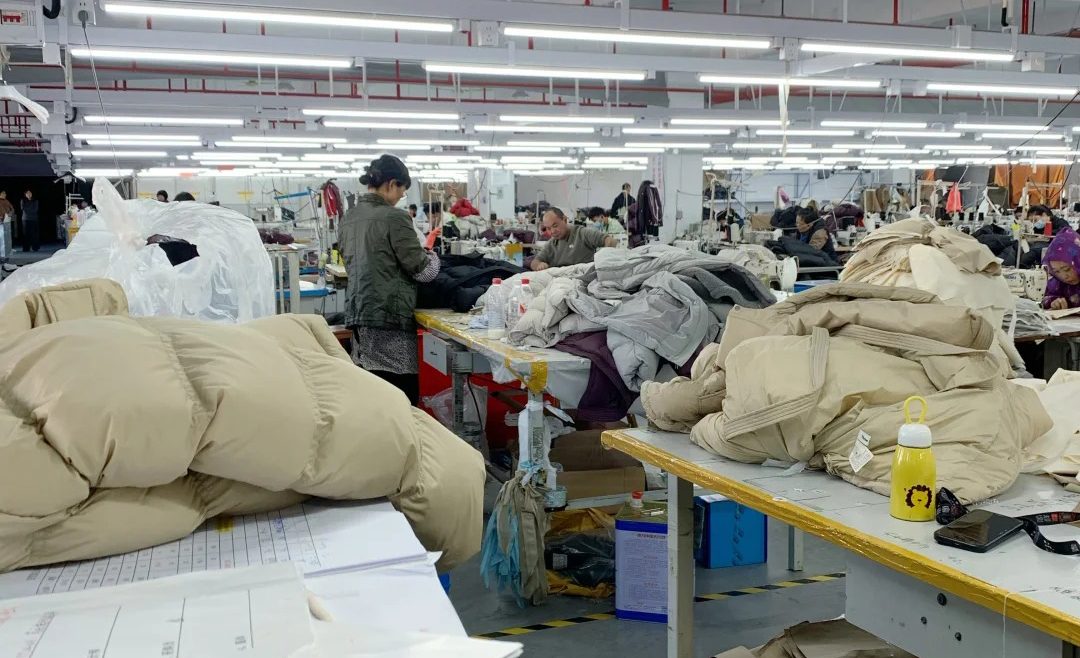
Our one-stop service integrates all key links of women’s jacket production. It starts with design docking—our professional team translates brand design sketches into production-ready patterns. We then handle fabric and accessory sourcing, selecting high-quality materials that meet global environmental and safety standards. Next comes mass production, followed by customized packaging (brand logos, size labels, care instructions). Finally, we manage end-to-end logistics, including customs clearance and direct delivery to the brand’s global warehouses.

Dedicated Account Manager Follow-Up

Each global brand client is assigned a dedicated account manager with cross-border service experience. The manager serves as the single point of contact, coordinating all links internally. They provide weekly progress reports, update clients on production and logistics status, and promptly resolve any issues. This one-on-one follow-up eliminates communication barriers and ensures transparent, efficient service throughout the entire process.

Adaptive Advantages of One-Stop Services

Adapted to Cross-Border E-Commerce Logistics Needs

We cooperate with 8+ international logistics partners (including DHL, FedEx, and Maersk) to offer tailored cross-border logistics solutions. For cross-border e-commerce brands, we provide direct warehouse delivery to major platforms (Amazon FBA, Shopify warehouses). We also handle customs documentation preparation, ensuring compliance with import regulations of different countries. This reduces logistics costs and shortens delivery times by 30% compared to traditional multi-link logistics.

Meeting Size Standards of Different Regions

Global women’s fashion markets have diverse size requirements. We have a professional size database covering EU, US, Asian, and other regional standards. Our design team adjusts patterns according to the brand’s target market. For example, US sizes focus on broader shoulders and longer sleeves, while Asian sizes prioritize fitting smaller body frames. This regional size adaptation ensures products meet local consumer needs.

Supporting Multilingual Communication Needs

We support multilingual communication to break down language barriers. Our team includes professionals proficient in English, Spanish, French, and Japanese. All documents—production contracts, quality reports, and logistics documents—are provided in the client’s preferred language. We also offer video conferences with real-time translation if needed, ensuring smooth communication throughout the cooperation process.

One-stop women’s jacket manufacturing services simplify complex cross-border supply chains for global fashion brands. By integrating design, production, packaging, and logistics, and assigning dedicated account managers, we solve the pain points of tedious coordination, difficult delivery control, and inconsistent quality.

Our adaptive advantages in cross-border logistics, regional size standards, and multilingual communication make us an ideal partner for global women’s fashion brands. Partner with us to streamline your supply chain, reduce operational costs, and focus on core business like brand building and market expansion. Let our one-stop services support your global growth journey.