

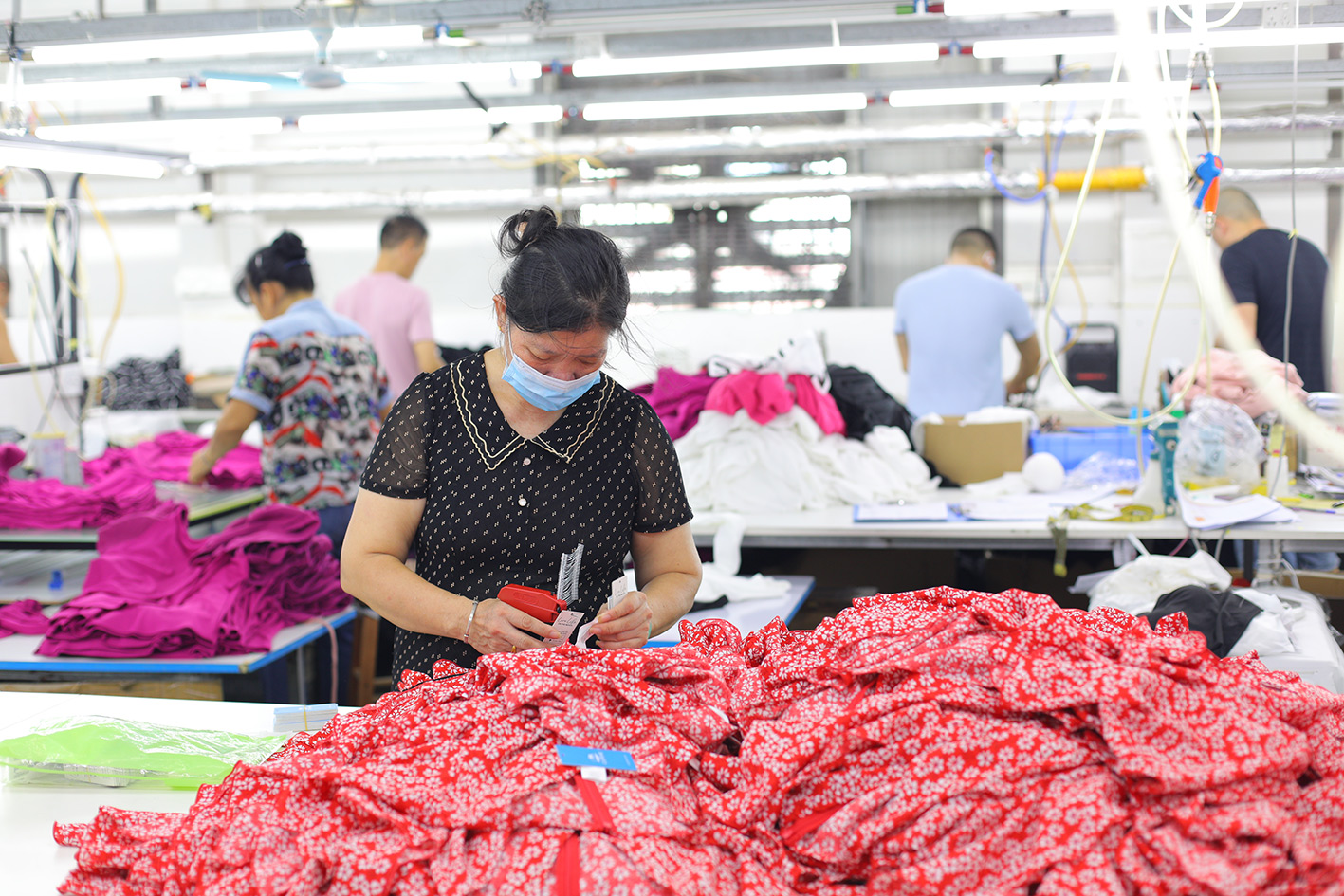
The fashion landscape has transformed dramatically. In this dynamic environment, the relationship between brands and manufacturers has fundamentally shifted. Brands no longer see factories as simple order takers. Instead, they seek intelligent, responsive, and value-adding partners. A modern dress manufacturer must provide a comprehensive ecosystem of services. This support goes far beyond basic cutting and sewing. It’s about enabling brand agility, mitigating risk, and fueling growth. Let’s explore the key services that differentiate a contemporary clothing factory
The Evolution of the Manufacturer’s Role
Gone are the days when a factory’s job was finished after receiving tech packs. Today, brands, especially direct-to-consumer and agile labels, face immense pressure. They need speed, flexibility, and innovation from their supply chain. Consequently, manufacturers have evolved into solution providers. They are now integral to the product development and strategic execution process, acting as a true extension of the brand’s own team.
More Than Just a Production Unit: A Value-Added Partner
A contemporary factory is a hub of knowledge and problem-solving. Brands expect partners who can anticipate challenges. They need factories that suggest fabric alternatives when a chosen material is unavailable. They value advice on construction methods that enhance durability or reduce cost. This consultative approach transforms the factory from a commodity service into a strategic asset critical for a brand’s competitiveness.
Expert Fabric and Trim Sourcing & Development
This is perhaps the most sought-after service. Most brands lack direct access to global fabric mills. A manufacturer with a strong sourcing department is invaluable. They can recommend materials based on performance, season, and price point. They can source sustainable options if requested. Furthermore, they handle all communication and logistics with suppliers, saving brands countless hours and simplifying the entire material procurement process.
Proactive Design and Technical Support
Even with a tech pack, questions arise. A proactive factory will flag potential fit issues or construction difficulties early. Their technical teams can suggest small modifications for better wearability or easier production. For brands without a full technical design team, this support is crucial. It helps translate creative visions into manufacturable, high-quality garments without compromising the design intent.
Adapting to Fast Fashion and Ever-Changing Trends
The cycle from design to store is incredibly short. Manufacturers must be operationally agile to keep up. This requires efficient sampling capabilities to accelerate prototyping. It also demands flexible production lines that can switch between styles quickly. A modern factory invests in skilled labor, adaptive planning, and strong logistics to meet these tight, trend-driven deadlines consistently.
Operational Flexibility and Scalability
Rigid systems fail in today’s market. Brands appreciate manufacturers who can accommodate a last-minute color change or a small top-up order. Offering low Minimum Order Quantities (MOQs) for emerging brands is a key flexibility indicator. Equally important is the ability to scale up smoothly as a brand grows, handling larger orders without sacrificing quality or lead times. This flexibility de-risks the business for the brand.
End-to-End Transparency and Project Management
Mystery leads to anxiety. Modern brands demand full visibility into their order’s journey. Leading manufacturers provide this through digital tools. Shared dashboards, photo updates from the production floor, and real-time shipping tracking are becoming standard. Regular, proactive communication about progress or any potential delays builds immense trust and allows brands to plan their marketing and sales activities with confidence.
Sustainability as a Practical Consideration
While not a formal certification requirement, many brands now seek practical sustainable options. They may ask about using recycled polyesters, organic cottons, or deadstock fabrics. A forward-thinking manufacturer will have explored these avenues. They can guide brands on availability, cost implications, and suitability. Offering these options positions the factory as a partner aligned with modern consumer values and brand identities.
Your Partner in a Dynamic and Demanding Market
The market is unpredictable. Consumer tastes shift rapidly. A manufacturer must be more than a static producer; they must be an adaptable ally. This means understanding current retail challenges and final consumer expectations. A partner who provides reliable quality, operational flexibility, and strategic support becomes a cornerstone of a brand’s ability to survive and thrive.
Choosing a Partner for the Future
Selecting a manufacturer is a long-term strategic decision. Look beyond unit price. Evaluate their suite of services, their communication style, and their cultural fit with your brand. The right partner will offer strong sourcing, technical expertise, transparency, and adaptability. These comprehensive services are no longer just nice-to-have; they are essential for any brand aiming to succeed in the modern fashion arena. They empower you to focus on creativity and connection, leaving the complex execution to a capable and trusted ally.
