binjaitoto
  • Dongguan City, China / nancy@tosinfashion.com, Whatsapp: +8613826947014

作者:

user

Beyond the Basic Shell: Fabric and Design Trends in Women‘s Windbreakers 1024 577 user

Beyond the Basic Shell: Fabric and Design Trends in Women‘s Windbreakers

1. The Evolution of Windbreaker Fashion

Today’s women’s windbreakers are far more than basic rain shields. They have become essential fashion statements for modern wardrobes. Modern designs blend technical performance with stylish aesthetics seamlessly. This shift creates exciting growth opportunities for apparel brands. Manufacturers must now master both functional performance and fashion sense. Understanding current market trends is a critical advantage. It helps in creating products that resonate strongly with style-conscious consumers.

2. Innovative and Sustainable Fabrics

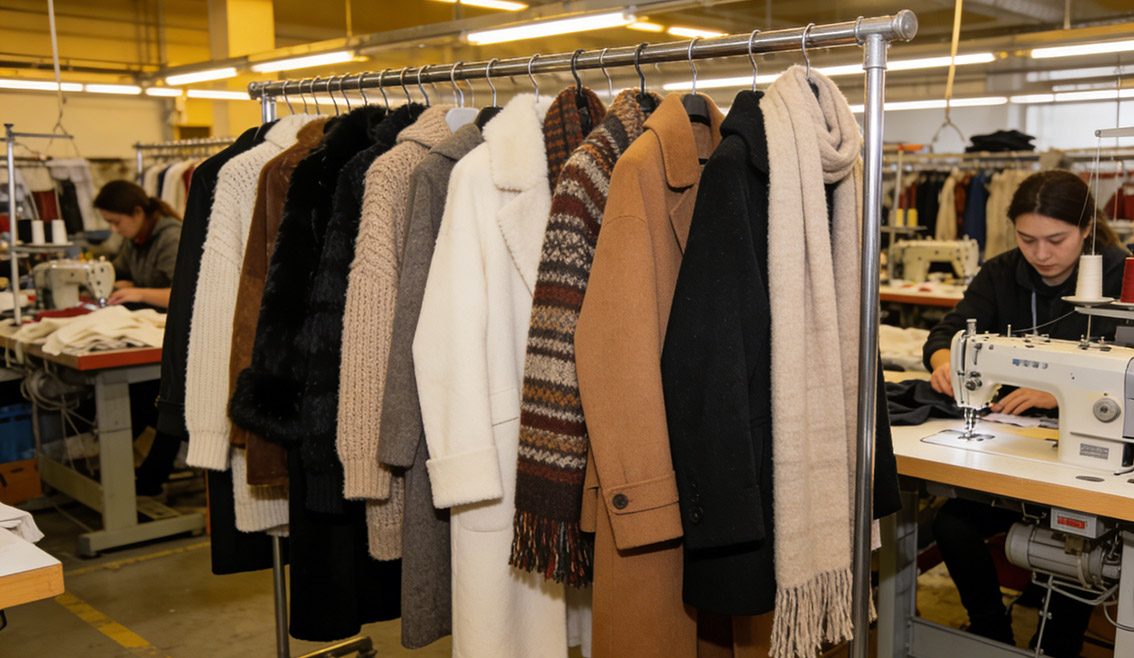
Firstly, fabric innovation leads the windbreaker revolution. There is a strong global demand for high-performance, eco-conscious materials. Recycled polyester ranks among the most popular choices. It offers reliable durability and weather resistance with a much smaller environmental footprint. Lightweight nylon fabrics also remain a top pick for designers. Their soft hand feel and excellent packability bring major user benefits. Notably, some forward-thinking brands explore plant-based waterproof coatings. These natural alternatives appeal deeply to values-driven, eco-friendly customers.

3. Versatile Silhouettes for Multi-Occasion Wear

Modern women’s windbreakers prioritize versatility to fit diverse daily scenarios. The era of one-style-for-all outerwear is firmly in the past. Cropped, tailored cuts work perfectly for urban commutes and casual outings. Long, streamlined silhouettes offer full coverage for outdoor activities. Many designs also feature convertible elements, like detachable hoods or adjustable hems. These adaptable shapes let one jacket transition seamlessly between work, travel, and leisure. A skilled manufacturer can execute these varied silhouettes while preserving waterproof and windproof functions.

4. Technical Features for Modern Lifestyles

Additionally, functional design has grown far more sophisticated in recent years. Breathable and waterproof membrane linings are now standard features. They ensure consistent comfort during light exercise, commutes, and outdoor trips. Another key trend is the use of mixed composite materials. Designers pair soft, stretchy side panels with robust outer shells, for example. This smart combination greatly enhances mobility and all-day comfort. Moreover, thoughtful small details add meaningful practical value. Secure zippered pockets, adjustable drawstring hoods, and underarm ventilation zips are fan favorites. They directly meet the real daily needs of modern women.

5. Fashion-Forward Design Details

Furthermore, stylistic design elements define standout windbreaker collections. The classic windbreaker silhouette receives constant modern updates. Look for unique geometric seam constructions, bold color-blocking patterns, and relaxed oversized fits. Designers also experiment with sheer transparencies and contrasting matte-shine textures. These creative touches turn a simple utility jacket into a high-fashion piece. A professional manufacturer understands these subtle style nuances. They possess the precision skills to execute complex sewing and delicate finishing techniques perfectly.

6. Small-Batch Production for Trend Agility

Fast-shifting fashion trends demand flexible manufacturing solutions for brands. Large bulk orders can quickly become outdated in the dynamic outerwear market. Reputable manufacturers offer low minimum order quantities (MOQs) for small-batch production. This lets brands test new designs, fabrics, and colorways with minimal inventory risk. Small runs also support limited-edition capsule collections that drive customer engagement. Agile production keeps brands ahead of trends without overinvesting in stock. It is a smart strategy for both emerging labels and established fashion brands.

7. Translating Trends into Quality Products

Finally, partnering with the right manufacturing facility makes all the difference. Your ideal factory should offer access to a diverse, up-to-date fabric library. Their production team also needs a sharp eye for contemporary design trends. The ability to construct advanced technical features precisely is non-negotiable. This includes expert handling of heat-sealed seams and delicate performance fabrics. By fully embracing these material and design trends, you can build truly standout windbreaker collections. Your finished jackets will deliver both head-turning style and reliable practical substance to every customer.
The Art of Skirt Design: How a Manufacturer Brings Your Ideas to Life 1024 767 user

The Art of Skirt Design: How a Manufacturer Brings Your Ideas to Life

From Idea to Wearable Art

Every great skirt starts with a creative idea—whether it’s a flowy summer maxi or a structured work pencil skirt. Turning that idea into a tangible, wearable garment, however, requires skill, precision, and a trusted manufacturing partner. This journey from concept to creation blends artistic vision with technical expertise. Let’s explore the key stages of skirt production. We’ll uncover how a professional manufacturer transforms your sketch into a high-quality piece that resonates with your audience.

The First Step: Material Selection and Sourcing

Fabric choice is the foundation of any great skirt—it defines the garment’s look, feel, and movement. Your manufacturer should act as a guide during this critical selection process. They’ll suggest materials that align with your design’s purpose and aesthetic. For instance, a lightweight crepe or chiffon works beautifully for a breezy summer wrap skirt, while a sturdy cotton twill or denim is ideal for a casual cargo skirt. A reputable partner has access to a global network of trusted fabric suppliers. They’ll help you find options that balance quality, aesthetics, and budget. Additionally, they understand fabric behavior deeply—this knowledge is key to predicting how the material will drape, stretch, or wear over time, ensuring your skirt looks great wash after wash.

Pattern Making and Precision Engineering

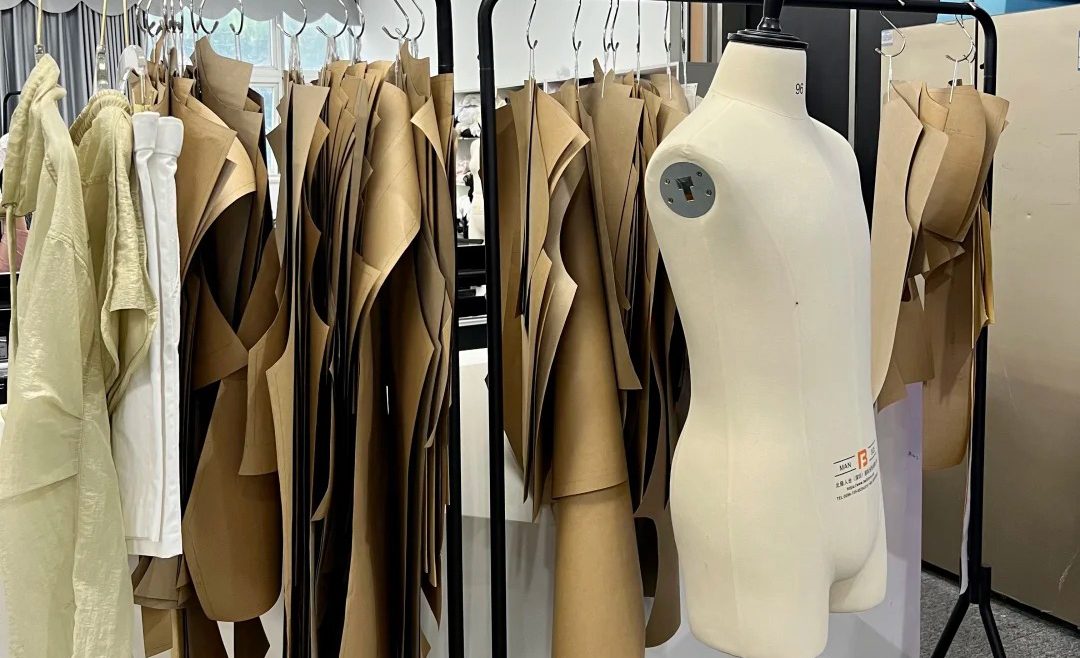
Next, your two-dimensional design sketch is transformed into a three-dimensional pattern—a critical technical stage that makes or breaks the skirt’s fit. Expert pattern makers translate your vision into precise paper or digital templates, which serve as the blueprint for every piece of the skirt. Accuracy here is non-negotiable; it directly impacts the fit, comfort, and overall silhouette of the final garment. The manufacturer adjusts the pattern based on your chosen size range, carefully grading sizes to ensure consistency across all fits. They also engineer the pattern for efficient fabric use, minimizing waste and helping control production costs. This is where creative design truly meets practical construction.

Cutting & Sewing: Craftsmanship and Consistency

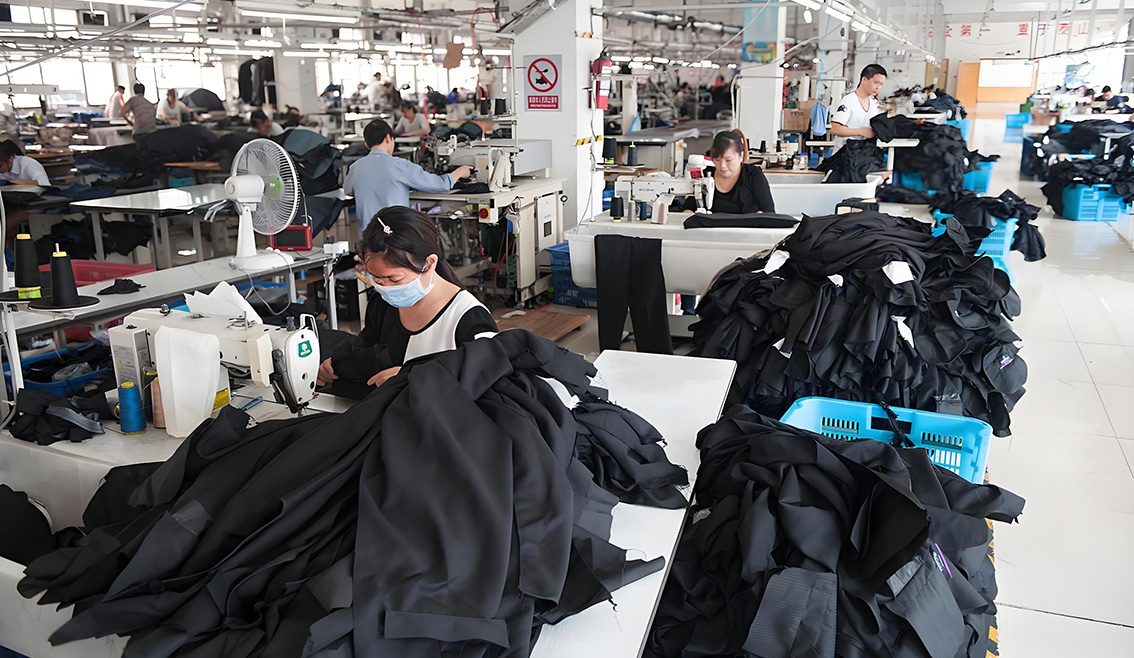
Once the pattern is finalized and fabrics are sourced, the production moves to cutting and sewing. Modern factories use computerized cutting machines for unmatched precision, ensuring each fabric piece matches the pattern exactly. This technology also optimizes fabric layout, reducing waste and keeping production efficient. Skilled sewers then take over, using specialized machines for different tasks—from sewing straight seams to creating delicate pleats or ruffled hems. For complex designs like pleated midi skirts or tiered maxis, artisans apply hand-finishing techniques to ensure perfection. Consistency is prioritized here; every skirt must match the approved sample in stitching, fit, and detail, no matter the order size.

5. The Sample: Perfecting Fit and Function

Before full-scale production begins, a physical sample is created—this is your first chance to see, touch, and test your design. The sample stage is all about testing and refinement. You and the manufacturer will assess the fit on a model or mannequin, checking the length, waistband comfort, and ease of movement. Any adjustments—whether a slight tweak to the waistline or a change to the hem shape—are noted and implemented in the pattern. This iterative process may involve one or more sample rounds, and a trustworthy manufacturer views this as an essential investment. It ensures the entire production run meets your high standards, turning your initial idea into a flawless, wearable product.

6. Finishing & Quality Control: The Final Touches

The final stage of skirt production focuses on finishing touches and strict quality control. After sewing, each skirt undergoes professional pressing and steaming to set the fabric, smooth out wrinkles, and define the silhouette. Details like zippers, buttons, or waistbands are checked and adjusted to ensure they function properly and look polished. Hemlines are trimmed and finished neatly to prevent fraying. A dedicated quality control team then inspects every garment—looking for stitching flaws, size inaccuracies, or fabric defects. Only skirts that meet the highest standards move on to packaging and delivery, ensuring your customers receive a piece they’ll love.

Finding the Perfect Skirt Manufacturer: A Guide to Quality and Partnership 1024 683 user

Finding the Perfect Skirt Manufacturer: A Guide to Quality and Partnership

The Hallmarks of a Skirt Manufacturing Expert

Finding the right partner is crucial for your fashion brand. The ideal skirt manufacturer does more than just sew fabric together. They deeply understand skirt design, feminine fit, and evolving market trends for women’s wear. They become a seamless extension of your creative team, turning ideas into wearable, on-trend pieces. This guide highlights the core factors to evaluate in your search. We focus on specialized expertise, collaborative design, and long-term partnership potential—all vital for a successful skirt line. A true skirt manufacturing expert masters the unique construction of every silhouette, from structured pencil skirts to flowy maxi styles, with an eye for the subtle details that elevate a skirt from basic to exceptional.

Fabric Curation for Skirt Silhouettes

Fabric is the backbone of every great skirt, and a skilled manufacturer excels at curating materials to match each silhouette. Different skirt styles demand distinct fabrics to achieve the perfect drape, structure, and wearability. For example, A-line skirts shine with lightweight linen, chiffon, or crepe that falls beautifully to create the iconic flared shape. Pencil skirts require crisp cotton twill or stretch suiting fabric for structure and a sleek fit that holds its shape. Maxi and midi skirts benefit from soft, flowy rayon or silk blends that move with the body. Additionally, the manufacturer should source high-quality fabrics with good color fastness and durability, while offering options for sustainable materials like organic cotton or recycled polyester. This fabric expertise ensures your skirts look stunning and stand up to everyday wear.

From Sketch to Sample: A Collaborative Journey

The design process for a skirt line should be a true dialogue between brand and manufacturer. A good partner listens closely to your creative ideas first, then provides practical, constructive feedback on construction, material choices, and fit adjustments. They have the skill to turn your rough sketches into detailed technical packs and then into physical samples. The sampling phase is critical here—it’s where small tweaks are made for the perfect fit, hem length, and finish. Choose a manufacturer that values this collaborative step and maintains clear, timely communication throughout the process. This ensures the final sample matches your vision perfectly before full production begins. This teamwork relieves you of production stress, letting you focus on building your brand story and marketing your skirt collection.

Rigorous Quality Control for Flawless Skirts

Exceptional skirt manufacturing relies on rigorous quality control (QC) at every production stage, a non-negotiable for reliable partners. A top manufacturer implements multiple QC checkpoints, starting with fabric inspection to screen for defects, discoloration, or inconsistent texture. During production, inspectors check for even stitching, straight hems, and properly attached waistbands—key details that make or break a skirt’s look. After sewing, each skirt is checked for fit consistency across sizes, smooth zippers or closures, and the absence of loose threads. A final inspection ensures the skirt meets all your brand’s standards for finish and wearability. This proactive QC approach eliminates flawed pieces from your shipment, ensuring your customers receive only flawless, high-quality skirts that reflect well on your brand.

Building a Partnership for Growth

Your skirt manufacturer should be more than a producer—they should be a partner invested in your brand’s growth and success. They must offer flexible order sizes, a vital feature for emerging brands testing the market with a small initial run, and for established labels launching limited-edition skirt lines. Always ask about their minimum order quantities (MOQs); a flexible MOQ policy lowers your business risk and allows for better inventory control. Further, discuss their production capacity for scaling up. Can they handle larger bulk orders as your skirt line gains popularity and your customer base grows? A true partner plans for your success alongside their own, offering customized solutions that fit your current business needs and future growth ambitions. This alignment creates a solid foundation for long-term, mutual growth and a seamless production process for years to come.

Custom Embroidery Factory: Elevate Women’s Apparel with Personalized Stitches 1024 768 user

Custom Embroidery Factory: Elevate Women’s Apparel with Personalized Stitches

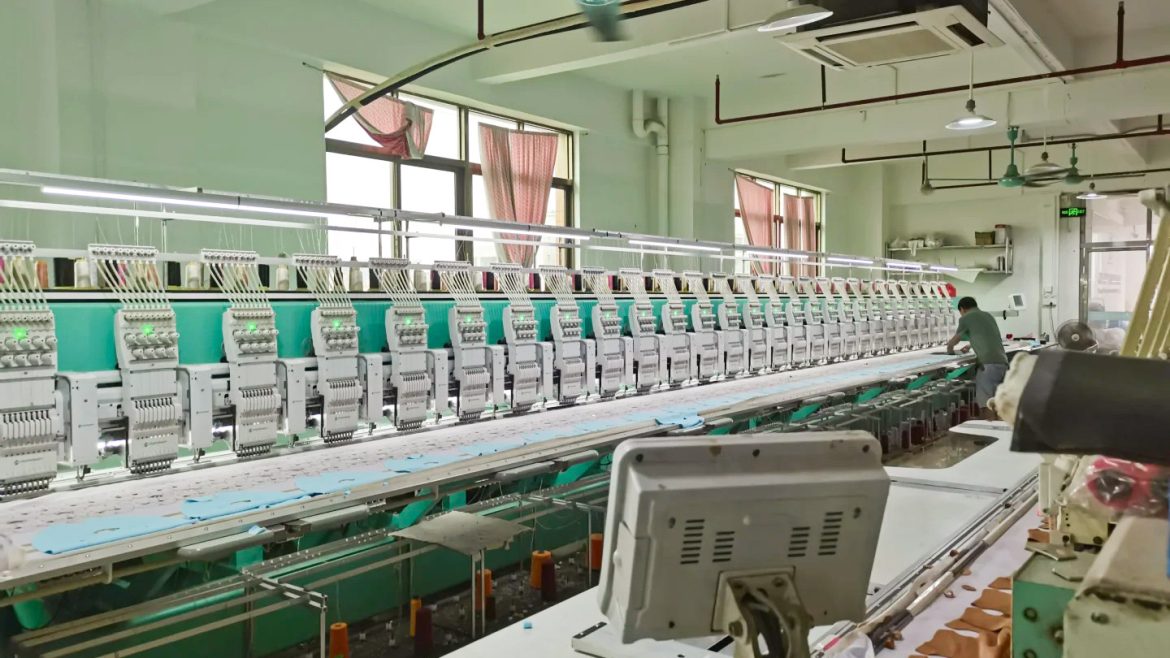
Personalized details have become a key driver in women’s fashion, and custom embroidery stands out as a timeless way to add uniqueness. More and more global women’s clothing brands, whether emerging designers or established labels, are turning to custom embroidery to differentiate their collections. It transforms basic garments into one-of-a-kind pieces, from delicate floral motifs on blouses to bold monograms on jackets. Our custom embroidery factory focuses solely on women’s apparel, understanding the subtle needs of feminine designs and the desire for standout pieces that resonate with modern female consumers. This niche expertise lets us craft embroidery that aligns perfectly with women’s fashion trends and brand aesthetics.

Why Small and Large Brands Choose Our Custom Embroidery Factory

Small batch orders were once a challenge for many embroidery factories, but we’ve tailored our services to meet this demand for women’s apparel. Emerging designers often start with limited quantities to test market response, and we never compromise on quality for smaller runs. Our team treats every small batch with the same precision as large orders. Large brands, on the other hand, benefit from our efficient production lines that handle high-volume orders without losing attention to detail. We also offer flexible lead times, adapting to fast fashion cycles and seasonal launches. This flexibility makes us a top choice for brands of all sizes looking for reliable custom embroidery solutions for their women’s wear lines.

Premium Materials & Stitch Techniques for Women’s Apparel

The beauty of custom embroidery lies in premium materials and skilled stitch techniques—both are cornerstones of our factory’s work. We source a diverse range of high-quality threads to match every women’s garment, including soft cotton threads for casual wear, lustrous silk threads for elegant dresses, and metallic threads for statement pieces. We also offer specialty threads like glow-in-the-dark or eco-friendly options for unique design needs. Our artisans master a variety of embroidery techniques, from classic flat stitch and delicate satin stitch to 3D puff stitch and appliqué embroidery. Crucially, we select techniques that complement the garment’s fabric—avoiding dense stitches on lightweight chiffon, for example—to preserve wear comfort and fabric drape.

Our Tailored Embroidery Process for Women’s Apparel

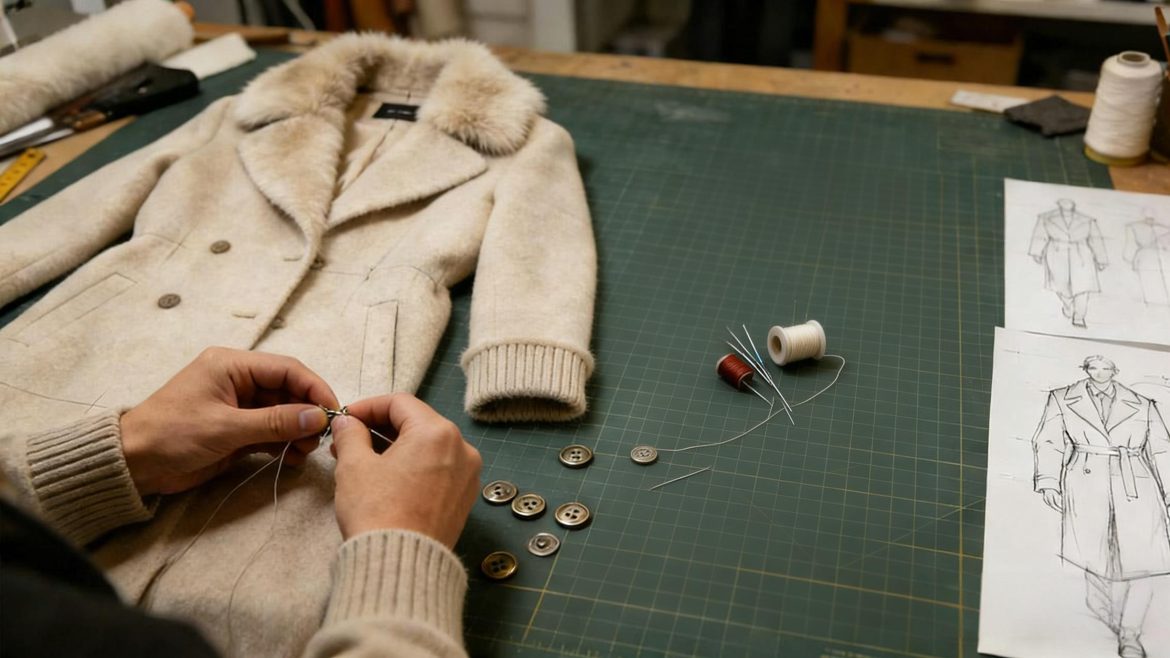
Our embroidery process begins with a deep dive into your vision, designed to turn your brand’s ideas into tangible embroidery art. We work closely with you to understand your design concepts, color palettes, and target audience. Next, we select the right threads and fabrics to ensure the embroidery complements the women’s apparel—whether it’s a delicate blouse, a flowy dress, or a stylish jacket. Our design team then creates a digital mock-up for your approval, making any adjustments needed before production. Our skilled artisans then bring the design to life, using precise techniques to create clean, durable stitches that enhance the garment’s overall appeal. Every step is collaborative, ensuring the final embroidery matches your exact expectations.

Sustainable Embroidery Practices for Eco-Conscious Brands

Modern women’s fashion brands prioritize sustainability, and our factory integrates eco-friendly embroidery practices to align with this vision. We offer recycled polyester threads made from post-consumer plastic bottles, a sustainable alternative to traditional synthetic threads. We also use water-soluble stabilizers that dissolve in water, eliminating excess fabric waste and reducing chemical use. Our production process uses energy-efficient embroidery machines and minimal water, cutting down on environmental impact. Additionally, we avoid overstocking threads and materials, using a just-in-time sourcing approach to reduce waste. These sustainable practices let your brand offer eco-conscious personalized embroidery, appealing to the growing number of environmentally aware female consumers.

Bringing Your Women’s Embroidery Visions to Life

Quality control is at the heart of everything we do, ensuring every embroidered women’s garment meets the highest standards. Each embroidered piece goes through careful inspection to ensure stitches are even, colors are consistent, and the final product meets your expectations. We check for loose threads, uneven tension, and color bleeding, making immediate corrections if needed. We also offer ongoing support, from design adjustments to real-time order tracking, making the entire process hassle-free for our global clients. In the competitive world of women’s fashion, custom embroidery can turn ordinary apparel into memorable pieces. Our custom embroidery factory combines creativity, flexibility, and quality to help you bring your brand’s vision to life. Whether you’re looking for small batch production to test a new design or large volume orders to meet market demand, we’re here to support your journey every step of the way.

How to Choose the Right Windbreaker Manufacturer for Your Women’s Wear Line 1024 768 user

How to Choose the Right Windbreaker Manufacturer for Your Women’s Wear Line

1. Finding Your Manufacturing Match

Launching a new women‘s windbreaker line is an exciting milestone for any brand. However, finding the right production partner is the make-or-break step for success. Your choice impacts every detail, from final product quality to on-time delivery timelines. So, where do you start your search? First, clearly define your core needs. Consider your target design complexity, material preferences, and initial order volume. Also, outline your non-negotiable quality standards and ideal budget range. A clear brief helps you communicate effectively with potential factories. This foundational step saves valuable time for everyone involved in the process.

2. Evaluating Design and Development Support

Next, assess a manufacturer’s design and development capabilities. Can they accurately translate your creative sketches into professional technical packages? A strong partner offers comprehensive sample and prototyping services for your women’s windbreakers. Look for a team that deeply understands contemporary women’s fashion trends. They should also grasp functional outerwear details like seam sealing, adjustable cuffs, and hood drawcords. Good two-way communication during this phase is vital. It ensures your unique design vision becomes a tangible, well-constructed product that resonates with your audience.

3. Fabric Expertise for Windbreaker Functionality

Fabric is the heart of a great women’s windbreaker, and manufacturer expertise here is non-negotiable. Windbreakers demand a balance of style, functionality, and wear comfort—so ask about their fabric sourcing and testing capabilities. Can they access specialty materials like water-resistant nylon, breathable polyester with PU coating, or lightweight windproof membranes? Do they test fabrics for durability, breathability, and color fastness before production? A knowledgeable manufacturer will recommend fabrics that align with your design goals, whether you need a sleek lightweight windbreaker for spring or a heavy-duty style for fall. This expertise ensures your windbreakers perform as well as they look.

4. Inspecting Production and Quality Control

Then, delve deep into their production process and quality control protocols. Ask about their typical workflow from fabric arrival to final garment finishing. Importantly, inquire about their in-house quality control measures. Do they conduct multiple checkpoints throughout production? Reliable manufacturers have structured QC steps. They check for defects like uneven stitching, faulty zippers, and inconsistent fabric coating at various stages. This proactive approach minimizes unpleasant surprises in your final shipment. Visiting the factory in person is ideal for assessment. If not possible, request detailed video tours or genuine client references to verify their processes.

5. Sustainability & Ethical Manufacturing Practices

Modern consumers and brand audiences prioritize sustainability and ethics—so vet your manufacturer’s practices in this area. Inquire if they offer eco-friendly fabric options, such as recycled polyester made from post-consumer plastic bottles for your windbreakers. Also, ask about their water-saving dyeing and coating processes, as outerwear production often involves chemical treatments. Crucially, check their labor practices and social compliance. Do they follow fair wage standards and maintain safe factory conditions for their workers? Reputable manufacturers will have clear answers and even certifications to back their sustainable and ethical claims. This alignment builds brand trust with eco-conscious buyers.

6. Understanding MOQs and Pricing Structure

Furthermore, discuss the practical business terms that shape your partnership. Minimum Order Quantities (MOQs) are a key consideration for any women’s wear brand, especially new or growing ones. Some factories offer flexible lower MOQs for emerging brands launching their first windbreaker line. This flexibility can be a game-changer for testing the market. Also, ask to understand their transparent pricing structure. What factors influence the final cost per piece? Fabric choice, labor for complex details like embroidery, and order volume are common variables. Transparent pricing with no hidden fees builds a trustworthy, long-term partnership from the start.

7. Building a Partnership for Growth

Finally, view your manufacturer selection as building a long-term business relationship. Choose a partner that is genuinely invested in your brand’s success. They should be responsive to your inquiries and solution-oriented when challenges arise. The right manufacturer acts as an extension of your design and production team. They help you navigate production hurdles and scale order volume efficiently as your women’s windbreaker line grows. A collaborative, supportive partnership not only leads to beautiful, high-quality windbreakers. It also ensures a smoother, less stressful journey for your growing women’s wear brand.

Beyond Basics: What Modern Brands Expect from a Dress Manufacturer 1024 683 user

Beyond Basics: What Modern Brands Expect from a Dress Manufacturer

The fashion landscape has transformed dramatically. In this dynamic environment, the relationship between brands and manufacturers has fundamentally shifted. Brands no longer see factories as simple order takers. Instead, they seek intelligent, responsive, and value-adding partners. A modern dress manufacturer must provide a comprehensive ecosystem of services. This support goes far beyond basic cutting and sewing. It’s about enabling brand agility, mitigating risk, and fueling growth. Let’s explore the key services that differentiate a contemporary clothing factory

The Evolution of the Manufacturer’s Role


Gone are the days when a factory’s job was finished after receiving tech packs. Today, brands, especially direct-to-consumer and agile labels, face immense pressure. They need speed, flexibility, and innovation from their supply chain. Consequently, manufacturers have evolved into solution providers. They are now integral to the product development and strategic execution process, acting as a true extension of the brand’s own team.

More Than Just a Production Unit: A Value-Added Partner


A contemporary factory is a hub of knowledge and problem-solving. Brands expect partners who can anticipate challenges. They need factories that suggest fabric alternatives when a chosen material is unavailable. They value advice on construction methods that enhance durability or reduce cost. This consultative approach transforms the factory from a commodity service into a strategic asset critical for a brand’s competitiveness.

Expert Fabric and Trim Sourcing & Development


This is perhaps the most sought-after service. Most brands lack direct access to global fabric mills. A manufacturer with a strong sourcing department is invaluable. They can recommend materials based on performance, season, and price point. They can source sustainable options if requested. Furthermore, they handle all communication and logistics with suppliers, saving brands countless hours and simplifying the entire material procurement process.

Proactive Design and Technical Support


Even with a tech pack, questions arise. A proactive factory will flag potential fit issues or construction difficulties early. Their technical teams can suggest small modifications for better wearability or easier production. For brands without a full technical design team, this support is crucial. It helps translate creative visions into manufacturable, high-quality garments without compromising the design intent.

Adapting to Fast Fashion and Ever-Changing Trends


The cycle from design to store is incredibly short. Manufacturers must be operationally agile to keep up. This requires efficient sampling capabilities to accelerate prototyping. It also demands flexible production lines that can switch between styles quickly. A modern factory invests in skilled labor, adaptive planning, and strong logistics to meet these tight, trend-driven deadlines consistently.

Operational Flexibility and Scalability


Rigid systems fail in today’s market. Brands appreciate manufacturers who can accommodate a last-minute color change or a small top-up order. Offering low Minimum Order Quantities (MOQs) for emerging brands is a key flexibility indicator. Equally important is the ability to scale up smoothly as a brand grows, handling larger orders without sacrificing quality or lead times. This flexibility de-risks the business for the brand.

End-to-End Transparency and Project Management


Mystery leads to anxiety. Modern brands demand full visibility into their order’s journey. Leading manufacturers provide this through digital tools. Shared dashboards, photo updates from the production floor, and real-time shipping tracking are becoming standard. Regular, proactive communication about progress or any potential delays builds immense trust and allows brands to plan their marketing and sales activities with confidence.

Sustainability as a Practical Consideration


While not a formal certification requirement, many brands now seek practical sustainable options. They may ask about using recycled polyesters, organic cottons, or deadstock fabrics. A forward-thinking manufacturer will have explored these avenues. They can guide brands on availability, cost implications, and suitability. Offering these options positions the factory as a partner aligned with modern consumer values and brand identities.

Your Partner in a Dynamic and Demanding Market


The market is unpredictable. Consumer tastes shift rapidly. A manufacturer must be more than a static producer; they must be an adaptable ally. This means understanding current retail challenges and final consumer expectations. A partner who provides reliable quality, operational flexibility, and strategic support becomes a cornerstone of a brand’s ability to survive and thrive.

Choosing a Partner for the Future


Selecting a manufacturer is a long-term strategic decision. Look beyond unit price. Evaluate their suite of services, their communication style, and their cultural fit with your brand. The right partner will offer strong sourcing, technical expertise, transparency, and adaptability. These comprehensive services are no longer just nice-to-have; they are essential for any brand aiming to succeed in the modern fashion arena. They empower you to focus on creativity and connection, leaving the complex execution to a capable and trusted ally.

Partnering with a Dress Manufacturer: A Guide for New Fashion Brands 1024 683 user

Partnering with a Dress Manufacturer: A Guide for New Fashion Brands

Launching your own fashion brand is an incredibly exciting journey. You have passion, creativity, and stunning dress designs. However, the production phase can feel daunting and complex. Suddenly, you need to navigate a world of fabrics, factories, and logistics. How do you bridge the gap between a beautiful sketch and a rack of finished garments? The answer lies in partnering with a professional dress manufacturer. This collaboration turns overwhelming obstacles into a clear, manageable roadmap. This guide is designed to help new brands understand and navigate this essential partnership.

The Production Challenge for New Brands


New designers often face similar hurdles. Sourcing fabrics in small quantities is difficult. Finding a factory willing to accept low minimum orders can be a struggle. Moreover, understanding technical aspects like grading and production timelines is confusing. Without guidance, small mistakes in sampling can lead to costly errors in bulk production. A good manufacturer doesn’t just make clothes; they guide you through these challenges.

Why the Right Partner Matters More Than Price


While budget is always important, the cheapest option often carries hidden risks. Delays, poor communication, and subpar quality can damage a new brand irreparably. Instead, seek a partner whose values align with yours. Look for a manufacturer that values transparency, offers clear communication, and shows genuine interest in your project’s success. This foundation of trust is worth far more than a slightly lower unit cost in the long run.

First Contact: Sharing Your Vision Effectively


Your first interaction sets the tone. Come prepared. Ideally, have a tech pack with sketches, measurements, and fabric references. If you don’t have a full tech pack, clear images and descriptions work too. Explain your brand’s aesthetic and target customer. Ask questions about their process and capabilities. A reliable manufacturer will also ask you many detailed questions. This two-way dialogue ensures everyone starts on the same page and avoids assumptions.

The Critical Sampling Stage: A Collaborative Effort


The first sample is a tangible prototype of your idea. It is the most important step before full production. Plan for at least one or two sample rounds. When you receive the sample, evaluate it critically. Check the fit, fabric drape, stitching quality, and all design details. Provide specific, written feedback. For example, “please shorten this sleeve by 1 inch” is clearer than “the sleeve looks long.” A professional factory expects and uses this feedback to perfect the pattern.

Understanding Costs and Minimums


Costing can seem like a black box. A transparent partner will provide a detailed breakdown. This typically includes fabric cost, trim cost, labor cost, and any additional fees. Understand their Minimum Order Quantity (MOQ). Many factories catering to startups offer lower MOQs per style or per color. This flexibility allows you to test the market without a huge inventory investment. Always clarify payment terms and schedules as well.

Navigating Production Volumes and Schedules


Discuss realistic timelines. Sampling takes time. Fabric procurement takes time. Production itself takes time. A good partner will give you a realistic schedule from sample approval to final shipment. Be wary of promises that seem too good to be true. Once the schedule is set, regular updates are crucial. Ask how they will communicate progress—whether through email updates, shared spreadsheets, or project management tools.

Communication: The Lifeline of Your Project


Consistent, clear communication prevents most problems. Establish a main point of contact. Respond to their queries promptly. Likewise, expect timely responses from them. If you have a concern, voice it immediately. If they foresee a delay, they should inform you at once. This open channel is the lifeline that keeps your project healthy and on track, building mutual respect.

Building a Relationship for Long-Term Growth


View your manufacturer not as a vendor, but as a strategic partner for growth. As your brand expands, this relationship becomes increasingly valuable. A trusted partner can prioritize your orders, help you develop more complex designs, and provide stability. This long-term perspective encourages both parties to invest in the partnership’s success, creating a solid foundation for your brand’s future.

Taking the First Step with Confidence


Starting production is a significant leap. Do your research, prepare your materials, and ask detailed questions. Choose a partner that demonstrates expertise, transparency, and a willingness to support a growing brand. The right dress manufacturer becomes an extension of your team. They handle the complex production world, freeing you to focus on what you do best: designing and building your brand.

From Sketch to Shelf: Your Trusted Dress Manufacturer for Quality & Style 1024 846 user

From Sketch to Shelf: Your Trusted Dress Manufacturer for Quality & Style

Finding the right dress manufacturer is a crucial decision for any fashion brand. You need a partner who truly understands the nuances of fashion. This partner must also respect tight deadlines and unwavering quality standards. We aim to be that essential partner. Our focus is solely on transforming your dress designs into reality. We work closely with small and medium-sized brands globally. Our primary goal is to support your growth. Let us walk you through our detailed process.

Why Partner with a Specialist Dress Manufacturer?


Choosing a factory that specializes in dresses offers distinct advantages. It means working with experts who know dress constructions inside out. They understand draping, different seam finishes for various fabrics, and the intricacies of adding zippers or lace. This deep knowledge prevents common production errors. It also leads to a superior final product that matches your vision perfectly.

Focus on Your Design Vision


Our process always starts with listening. Share your sketches, detailed tech packs, or even just a mood board. Our design and production team will review every single detail with you. We discuss fabric options, trims, linings, and construction methods. Our experts provide practical, cost-effective advice. They help make your stunning design both beautiful and efficiently producible. Clear communication from this first stage sets the foundation for success.

The Fabric Selection Journey


Fabric choice defines the look and feel of a dress. We guide you through this critical step. Based on your design and budget, we suggest suitable materials. Our network includes trusted suppliers of cottons, silks, linens, and premium synthetics. We can source fabrics with specific stretches, weights, or finishes. You receive physical or digital swatches for approval. This ensures the hand-feel and drape meet your expectations before production begins.

Precision in Pattern Making and Sampling


Next, our skilled pattern makers translate your design into a precise paper template. This pattern is the blueprint for your dress. We then create the first sample. This prototype is vital. It allows you to see the design in real life. You can check the fit on a model or mannequin. We encourage detailed feedback on this sample. Adjustments to the pattern are made until you are completely satisfied. A perfect sample is the key to flawless bulk production.

Quality in Every Stitch


Quality is integrated into every step, not just inspected at the end. Our sewing teams are experienced in handling delicate and complex dress styles. They pay meticulous attention to finishing details. Clean French seams, secure hidden zippers, perfectly even hems, and neat beadwork are our standard benchmarks. We ensure every dress not only looks beautiful but is also durable and comfortable to wear.

Our Stringent Multi-Stage Quality Check


We employ a comprehensive quality control system. First, inline checks happen during sewing. Supervisors spot-check garments right on the production floor. Then, after finishing, each dress undergoes a thorough final inspection. Our dedicated QC team examines for any flaws in fabric, color consistency, stitching, sizing, and trim attachment. Only garments passing this strict check are carefully pressed, packaged, and prepared for shipping. This rigorous process safeguards your brand’s reputation.

Speed Meets Reliability


We understand the fast pace of the fashion industry. Our production management team creates efficient and realistic schedules. We set clear milestones and provide you with regular progress updates. You are never left wondering about your order’s status. We balance speed with our uncompromising quality standards. Delivering your beautiful dresses on time is a core promise we consistently keep.

A Supply Chain You Can Count On


A robust and responsive supply chain is vital for smooth production. We have cultivated long-term relationships with reliable fabric and trim suppliers. This network allows us to source materials swiftly and at competitive prices. More importantly, it ensures consistency in quality and supply. We manage this entire chain for you, simplifying logistics and reducing your stress.

Your Success is Our Goal


Choosing a dress manufacturer is a strategic partnership. We offer a powerful blend of technical skill, quality focus, and operational dependability. Let’s start a conversation about your next collection. Partner with us for a seamless, professional, and transparent journey from your initial sketch to the retail shelf.

The Fabric Library: Choosing Materials for Your Women’s Pants Line 1024 767 user

The Fabric Library: Choosing Materials for Your Women’s Pants Line

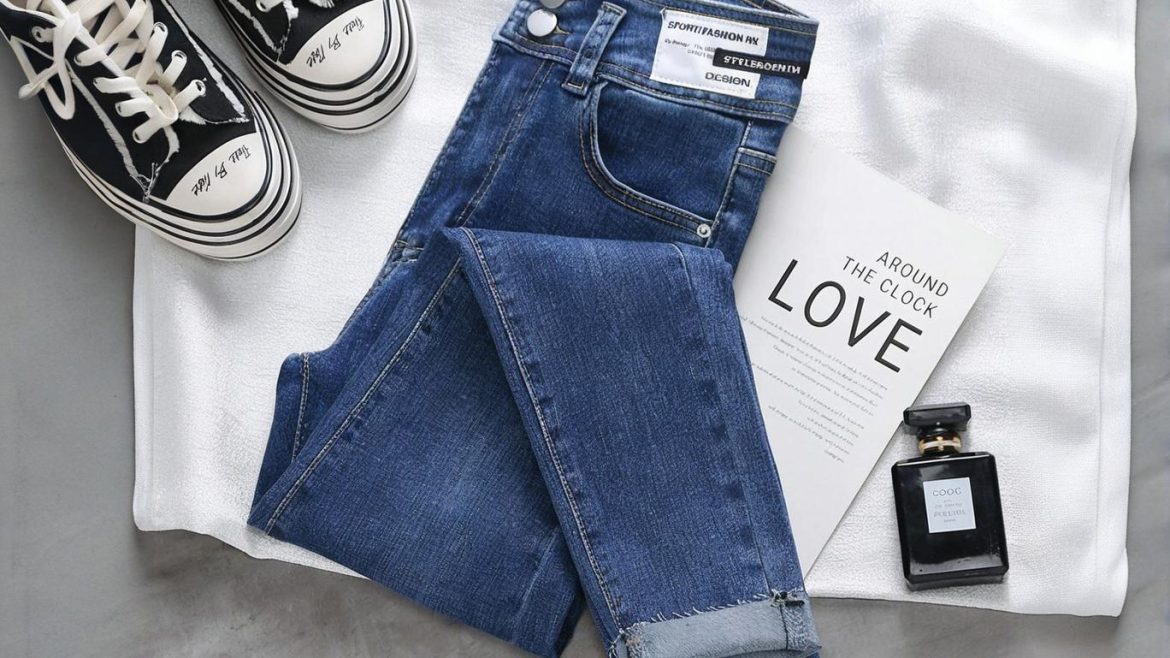
Denim is a perennial favorite for jeans and jackets. We work with various weights and washes. Lighter denim (8-10 oz) is great for summer. Heavier denim (12-14 oz) offers structure. Different washes create unique vintage or modern looks. Additionally, we offer stretch denim blends with 2-5% spandex for added comfort. This stretch ensures a snug fit without restricting movement—ideal for high-waisted or skinny women’s jeans. Our vintage washes use eco-friendly dyes to achieve a worn-in look, while raw denim caters to brands targeting a minimalist aesthetic.

The Versatility of Twill and Woven Fabrics

Cotton twill is the classic choice for chinos and trousers. It’s durable and holds color well. We also use other wovens like poplin for a crisp feel. These fabrics are ideal for structured, polished pants. Moreover, our twill comes in various thread counts, with higher counts offering a softer, more luxurious finish. For workwear trousers, we use a wrinkle-resistant twill blend that stays sharp all day. Poplin, meanwhile, is perfect for lightweight summer trousers, as it’s breathable and easy to care for. This versatility makes twill and wovens a staple in any women’s pants collection.

Breathable Linen and Comfortable Knit Blends

Linen and linen blends are perfect for warm weather. They are naturally breathable and have a relaxed texture. For loungewear and joggers, we use soft knit blends. These fabrics prioritize comfort and ease of movement above all. Unlike pure linen, our linen-cotton blends (55% linen, 45% cotton) reduce wrinkling while retaining breathability. Our knit blends, often a mix of cotton and modal, are ultra-soft and stretchy—great for casual joggers or loungewear pants. Both fabrics align with the modern woman’s desire for comfort without sacrificing style.

Stretch Blends: Comfort Without Compromise

Stretch blends have become a non-negotiable for women’s pants. We craft custom blends to match each design’s needs. Common combinations include cotton-spandex, modal-spandex, and polyester-spandex. These blends offer flexibility while maintaining the fabric’s original texture. For example, a cotton-spandex blend works well for everyday jeans, while modal-spandex is ideal for dressier pants. We control the stretch percentage (2-7%) to ensure the pants hold their shape after multiple washes, avoiding sagging or bagginess.

Sustainable Fabrics: Eco-Conscious Choices

Sustainable fabrics are growing in demand for women’s pants lines. We offer organic cotton, recycled denim, and Tencel blends. Organic cotton is free from harmful pesticides, making it gentle on skin and the environment. Recycled denim is made from post-consumer jeans, reducing textile waste. Tencel, derived from wood pulp, is biodegradable and requires minimal water to produce. These fabrics appeal to eco-focused brands and consumers, proving sustainability can coexist with style and durability.

High-Waisted to Wide-Leg: Key Women’s Pants Styles We Produce 1024 681 user

High-Waisted to Wide-Leg: Key Women’s Pants Styles We Produce

High-waisted jeans and trousers remain top sellers. They create a flattering silhouette. We manufacture them with precise waistband construction. This ensures both comfort and a sleek look. They are a cornerstone of many collections. Additionally, our high-waisted styles cater to diverse body types, with adjustable waistbands for a custom fit. We use stretch blends to avoid tightness around the midsection, while maintaining a structured shape. These pants pair seamlessly with cropped tops or tucked-in blouses, making them a versatile choice for everyday wear. Their timeless appeal keeps them in demand season after season.

The Elegance of Wide-Leg and Palazzo Pants

Wide-leg pants offer effortless elegance. They are a statement piece. Our production ensures beautiful drape and flow. We balance volume with structure so they don’t look bulky. They are perfect for both casual and dressy looks. Unlike ill-fitting wide-leg styles, ours feature tailored waistlines to define the figure. We use lightweight fabrics like chiffon and linen for summer, and thicker wools for winter. Palazzo pants, a longer, flowier variation, add drama to evening outfits, while shorter wide-leg styles suit daytime errands or brunches. This versatility makes them a favorite among fashion-forward brands.

Tailored Trousers and Chic Culottes

Well-tailored trousers are essential for workwear. We focus on clean lines and perfect fit. Culottes offer a modern, sophisticated alternative. They are like a hybrid of a skirt and a pant. We make them in various lengths and fabrics. Our tailored trousers feature straight or slightly tapered legs for a professional look, with stretch for all-day comfort in the office. Culottes, with their wide, knee-length cut, blend comfort and style. We craft them in crisp cottons for the workplace and soft knits for casual settings. Both styles come in neutral tones and bold hues, allowing brands to cater to different customer preferences.

Slim Cigarette Pants: Sleek and Modern

Slim cigarette pants are a modern staple for fashion brands. They feature a narrow, straight leg that hugs the body without being restrictive. We manufacture them with a mid-rise or high-rise waist to elongate the legs. Our use of stretch denim or suiting fabric ensures comfort and durability. These pants add a sleek touch to office outfits or date nights, pairing well with blazers or heels. We avoid overly tight fits, focusing on a smooth, flattering silhouette that suits most body shapes. Their minimalist design makes them easy to style, keeping them on-trend year after year.

Casual Jogger Pants: Comfort Meets Style

Casual jogger pants have evolved from loungewear to everyday fashion. We craft them with a relaxed fit, elasticized cuffs, and drawstring waists for comfort. Unlike basic joggers, ours feature elevated details like tailored waistbands and premium fabrics. We use soft cotton blends and fleece for warmth, and lightweight terry for summer. These pants appeal to brands targeting the casualwear market, as they balance comfort and style. They pair with sneakers for a laid-back look or ankle boots for a more polished vibe, expanding their wearability.