

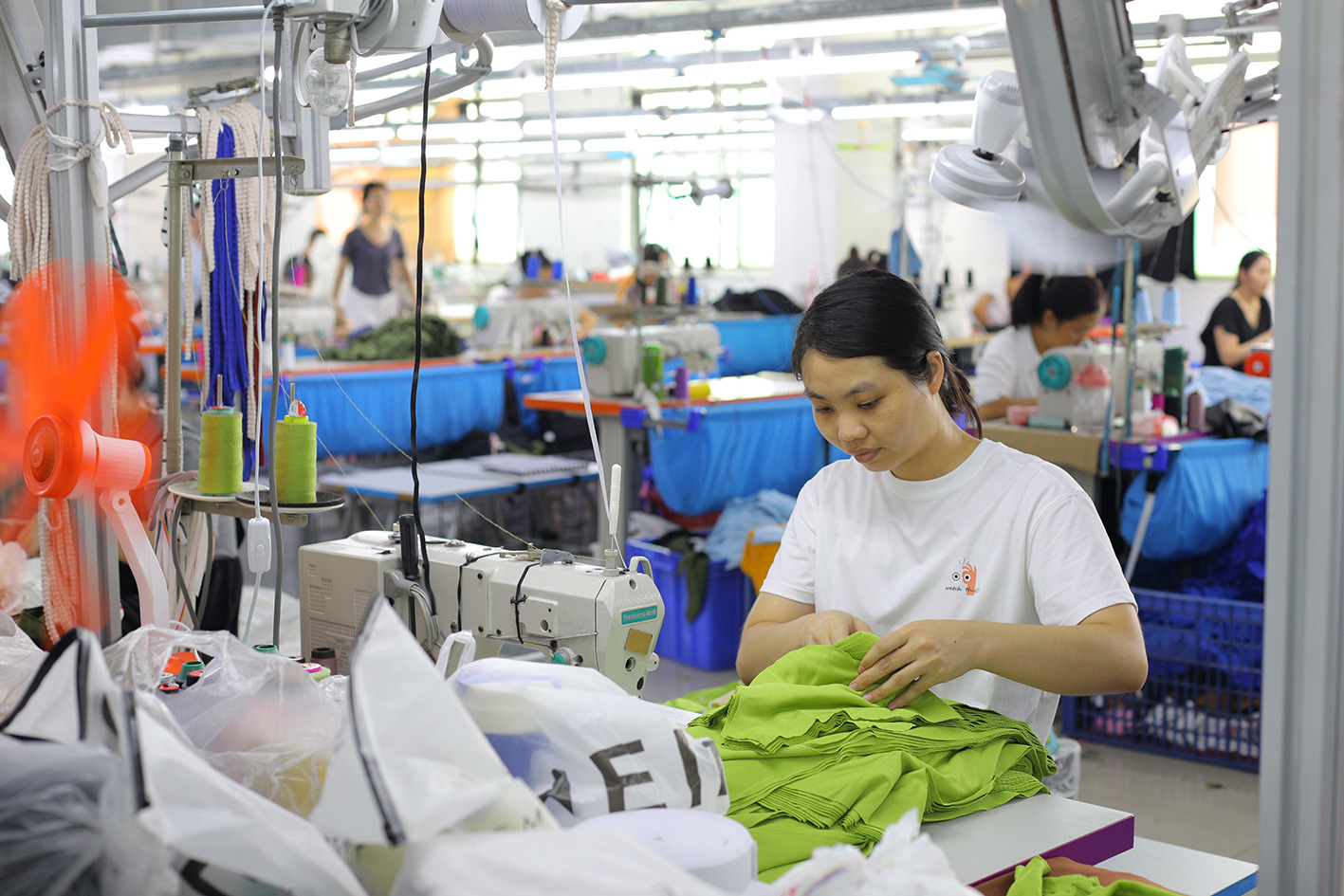
Launching your own fashion brand is an incredibly exciting journey. You have passion, creativity, and stunning dress designs. However, the production phase can feel daunting and complex. Suddenly, you need to navigate a world of fabrics, factories, and logistics. How do you bridge the gap between a beautiful sketch and a rack of finished garments? The answer lies in partnering with a professional dress manufacturer. This collaboration turns overwhelming obstacles into a clear, manageable roadmap. This guide is designed to help new brands understand and navigate this essential partnership.
The Production Challenge for New Brands
New designers often face similar hurdles. Sourcing fabrics in small quantities is difficult. Finding a factory willing to accept low minimum orders can be a struggle. Moreover, understanding technical aspects like grading and production timelines is confusing. Without guidance, small mistakes in sampling can lead to costly errors in bulk production. A good manufacturer doesn’t just make clothes; they guide you through these challenges.
Why the Right Partner Matters More Than Price
While budget is always important, the cheapest option often carries hidden risks. Delays, poor communication, and subpar quality can damage a new brand irreparably. Instead, seek a partner whose values align with yours. Look for a manufacturer that values transparency, offers clear communication, and shows genuine interest in your project’s success. This foundation of trust is worth far more than a slightly lower unit cost in the long run.
First Contact: Sharing Your Vision Effectively
Your first interaction sets the tone. Come prepared. Ideally, have a tech pack with sketches, measurements, and fabric references. If you don’t have a full tech pack, clear images and descriptions work too. Explain your brand’s aesthetic and target customer. Ask questions about their process and capabilities. A reliable manufacturer will also ask you many detailed questions. This two-way dialogue ensures everyone starts on the same page and avoids assumptions.
The Critical Sampling Stage: A Collaborative Effort
The first sample is a tangible prototype of your idea. It is the most important step before full production. Plan for at least one or two sample rounds. When you receive the sample, evaluate it critically. Check the fit, fabric drape, stitching quality, and all design details. Provide specific, written feedback. For example, “please shorten this sleeve by 1 inch” is clearer than “the sleeve looks long.” A professional factory expects and uses this feedback to perfect the pattern.
Understanding Costs and Minimums
Costing can seem like a black box. A transparent partner will provide a detailed breakdown. This typically includes fabric cost, trim cost, labor cost, and any additional fees. Understand their Minimum Order Quantity (MOQ). Many factories catering to startups offer lower MOQs per style or per color. This flexibility allows you to test the market without a huge inventory investment. Always clarify payment terms and schedules as well.
Navigating Production Volumes and Schedules
Discuss realistic timelines. Sampling takes time. Fabric procurement takes time. Production itself takes time. A good partner will give you a realistic schedule from sample approval to final shipment. Be wary of promises that seem too good to be true. Once the schedule is set, regular updates are crucial. Ask how they will communicate progress—whether through email updates, shared spreadsheets, or project management tools.
Communication: The Lifeline of Your Project
Consistent, clear communication prevents most problems. Establish a main point of contact. Respond to their queries promptly. Likewise, expect timely responses from them. If you have a concern, voice it immediately. If they foresee a delay, they should inform you at once. This open channel is the lifeline that keeps your project healthy and on track, building mutual respect.
Building a Relationship for Long-Term Growth
View your manufacturer not as a vendor, but as a strategic partner for growth. As your brand expands, this relationship becomes increasingly valuable. A trusted partner can prioritize your orders, help you develop more complex designs, and provide stability. This long-term perspective encourages both parties to invest in the partnership’s success, creating a solid foundation for your brand’s future.
Taking the First Step with Confidence
Starting production is a significant leap. Do your research, prepare your materials, and ask detailed questions. Choose a partner that demonstrates expertise, transparency, and a willingness to support a growing brand. The right dress manufacturer becomes an extension of your team. They handle the complex production world, freeing you to focus on what you do best: designing and building your brand.
