

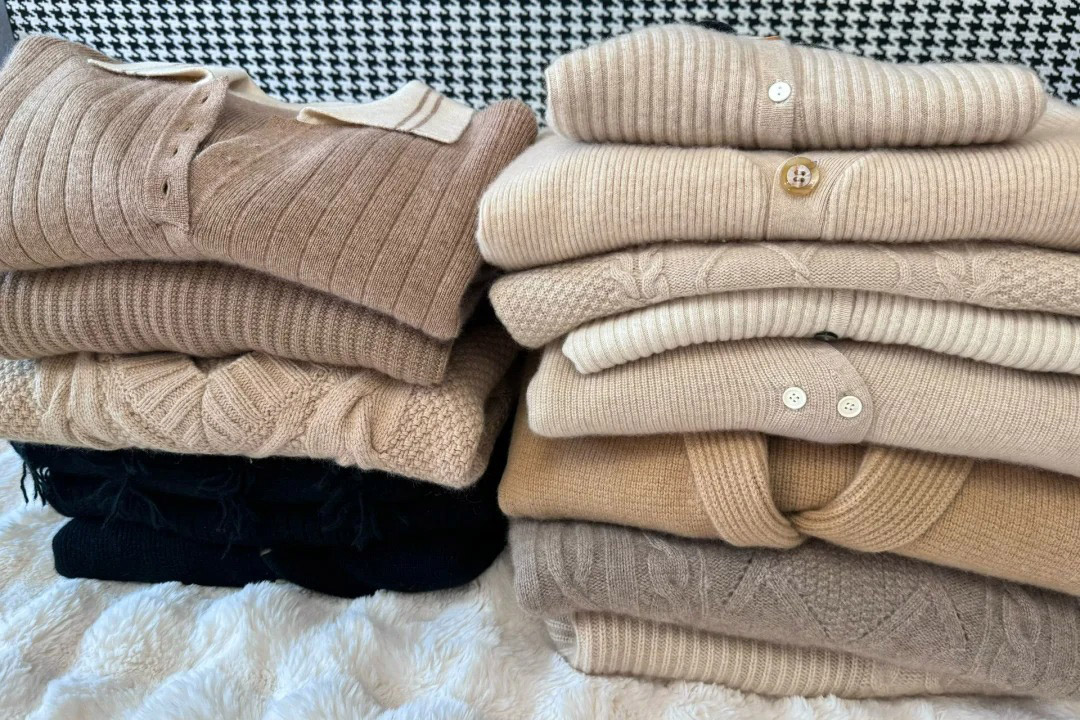
For women’s knitwear, no design detail or luxury fabric can compensate for poor fit. A sweater may feature on-trend colors and intricate stitching, but if it sags in the wrong places or feels restrictive, customers will reject it. Fit is the unshakable foundation of successful women’s fashion. It directly impacts comfort, confidence, and ultimately, customer loyalty. This is why precision in pattern making and grading stands as a non-negotiable standard for top women’s sweater manufacturers. Below, we dive into why these processes matter and how they shape sweaters that flatter every body type.
The Complexity of the Female Silhouette in Knits
Creating a flattering sweater fit begins with understanding the complexity of the female silhouette. Unlike rigid woven fabrics, knits stretch and conform to the body, amplifying both fit successes and flaws. Women’s bodies vary widely in proportions—from bust and waist ratios to shoulder widths and hip shapes. A one-size-fits-all approach fails miserably here. Manufacturers must account for these variations to avoid common pitfalls, such as necklines that gape, sleeves that ride up, or waists that cinch uncomfortably. Additionally, knit fabrics behave differently; a lightweight merino sweater stretches more than a chunky cable knit, requiring tailored pattern adjustments for each.
The Pattern Making Process: Drafting for Stretch and Structure
Expert pattern making is the first step to achieving precise fit in women’s sweaters. This process goes beyond basic drafting; it requires calculating for knit stretch and structural integrity. First, pattern makers analyze the fabric’s stretch percentage—this determines how much to adjust the pattern to prevent sagging or tightness. For example, a fabric with 20% stretch needs a pattern that’s 10-15% smaller than the target body measurements. Next, they focus on key fit points: the bust dart placement to accommodate curves, the sleeve cap height for comfortable arm movement, and the waist shaping to flatter without constricting. Additionally, pattern makers add seam allowances tailored to knit fabrics, ensuring clean, durable finishes that don’t disrupt fit.
Grading Explained: Consistently Scaling a Design Across Sizes
Grading is the process of scaling a base pattern across multiple sizes, and it’s just as critical as pattern making. Poor grading results in inconsistent fit—what flatters a size small may look shapeless in a size large. Expert graders don’t just add inches uniformly; they adjust proportions based on body type data. For instance, when moving from a size medium to large, they may increase hip measurements more than shoulder width to match real female proportions. This ensures every size retains the design’s original flattering shape. Advanced manufacturers use digital grading tools to maintain precision, reducing human error and ensuring consistency across the entire size range.
Common Fit Challenges in Knits and How to Solve Them
Knitwear presents unique fit challenges, but skilled manufacturers have proven solutions. For example, gaping necklines—caused by inadequate stretch calculation—are fixed by adjusting the neckline curve and adding a ribbed band for structure. Sleeves that ride up are solved by lengthening the sleeve cap and adjusting the armscye depth. Another common issue is a sweater that stretches out after wear; this is addressed by selecting stable yarns and adding ribbing at cuffs and hems to retain shape. Additionally, uneven hemlines on curved bodies are corrected by grading the hem length slightly, ensuring it falls evenly all around.
The Value of Multiple Fit Samples for Perfection
Achieving perfect fit requires rigorous testing with multiple samples. Top manufacturers create samples in multiple sizes and test them on fit models with diverse body types. This real-world testing reveals fit issues that digital simulations may miss. For example, a sample may fit well on a straight-size model but feel tight across the bust on a curvier model. Manufacturers then refine the pattern based on this feedback, creating revised samples until the fit is consistent and flattering. This iterative process takes time but pays off; it eliminates costly production errors and ensures the final product meets customer expectations.
Investing in Fit for Returns in Loyalty
Investing in precise pattern making and grading isn’t just a production cost—it’s an investment in customer loyalty. Women remember sweaters that fit perfectly, making them more likely to repurchase and recommend the brand. For women’s fashion brands, partnering with a manufacturer that prioritizes fit sets them apart in a crowded market. Such a manufacturer turns knitwear from a basic garment into a confidence-boosting piece. In the end, fit isn’t just about measurements; it’s about how a sweater makes a woman feel. And when a brand gets that right, loyalty follows naturally.
