

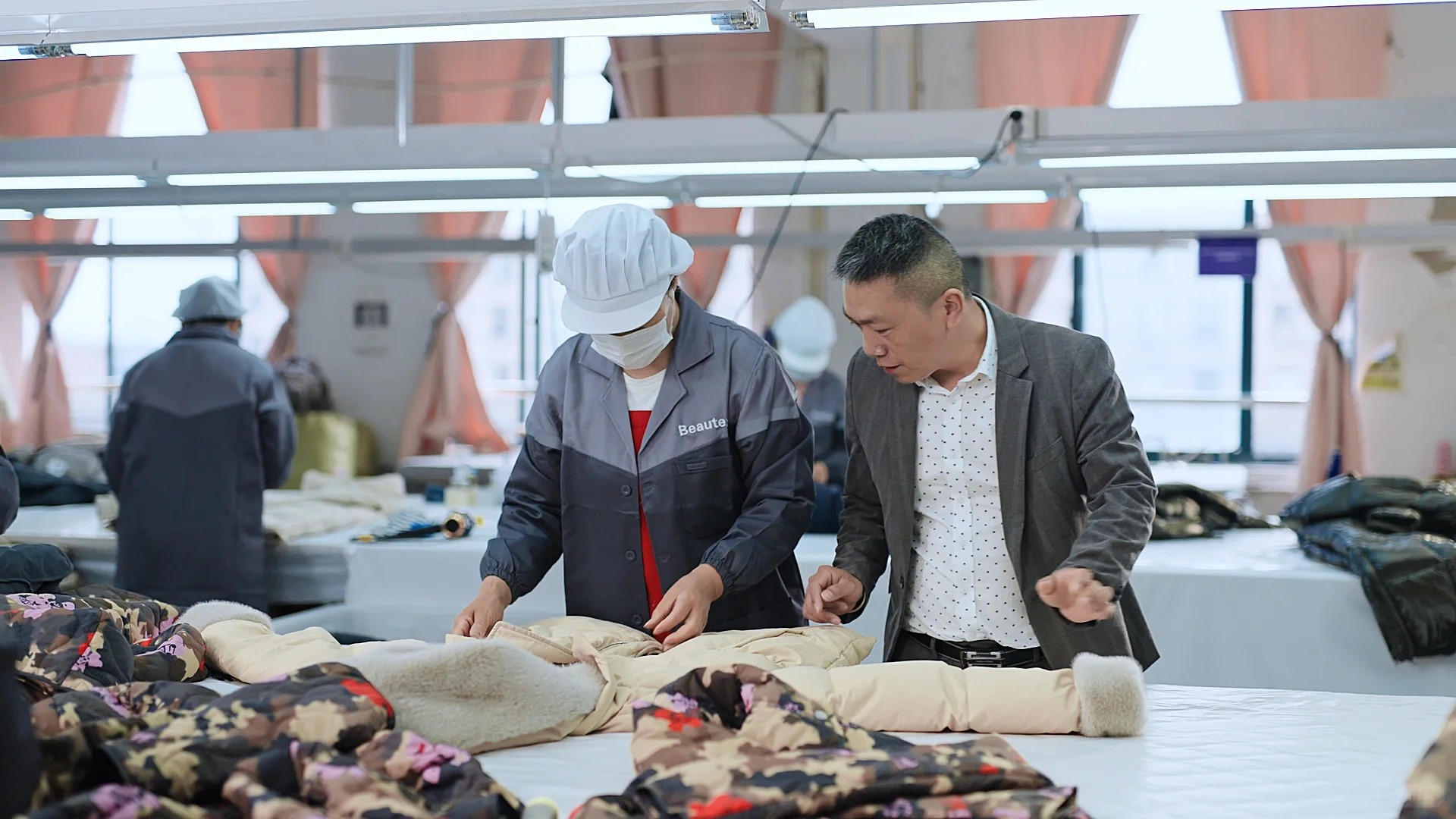
A lasting partnership with a custom apparel manufacturer is more than a transaction. It is a strategic alliance that fuels brand growth and ensures success. A strong, trusting relationship improves communication. It speeds up problem-solving and streamlines production. This partnership helps both sides work toward common goals. These include improving quality, lowering costs, and adopting sustainable practices. Building such a relationship requires time, effort, and commitment from both parties. Here are key tips for developing a successful long-term partnership.
Prioritize Open and Transparent Communication
Clear communication forms the core of any strong partnership. Be open with your manufacturer about your brand’s goals, challenges, and expectations. Share detailed information about your designs, timelines, and budget. Encourage your manufacturer to be equally transparent. They should explain their capabilities, processes, and any potential issues.
Establish regular check-ins. Weekly updates or monthly meetings keep everyone informed. This allows for quick resolution of any concerns. Avoid last-minute changes without discussion. Sudden shifts can disrupt production and strain trust. Open dialogue builds alignment and mutual understanding.
Build Trust Through Reliability and Consistency
Trust grows from consistent, reliable actions. As a brand, keep your promises. Provide timely feedback on samples. Approve materials and designs promptly. Pay invoices on schedule. Consistent order patterns help your manufacturer plan better.
Expect the same reliability in return. Your partner should meet deadlines. They should deliver steady quality and communicate problems early. Trust enables collaborative problem-solving. It helps both sides take supported risks during challenges. Over time, this trust makes the partnership stronger and more resilient.
Align on Shared Goals and Values
A partnership thrives on common purpose. Understand your manufacturer’s core values. Learn about their approach to sustainability and ethics. Ensure these match your brand’s principles.
Set shared objectives together. You might aim to reduce material waste or improve energy efficiency. Perhaps you want to explore new markets as a team. Shared goals create a united direction. For example, if both value sustainability, you can collaborate on eco-friendly materials. This unified effort drives meaningful progress.
Foster Collaboration and Mutual Respect
View your manufacturer as a strategic partner, not just a supplier. Involve them early in design and planning. Their technical knowledge can offer valuable insights. Listen to their suggestions and remain open to adjustments.
Respect their team, expertise, and processes. Likewise, expect them to respect your brand vision. A collaborative environment makes both sides feel valued. This positive dynamic encourages innovation and leads to better outcomes for everyone.
Be Flexible and Adapt to Change
The fashion industry changes constantly. Both brands and manufacturers must stay flexible. Market trends, consumer preferences, and global events affect production. Be willing to adjust plans when needed. Supply chain issues or demand shifts may require quick changes.
Encourage your manufacturer to also be adaptable. If a fabric is unavailable, work together to find a good alternative. Flexibility keeps the partnership strong during uncertainty. It helps both sides succeed in a dynamic market.
Recognize and Appreciate Contributions
Acknowledging your partner’s efforts strengthens your bond. Recognize their hard work, skill, and dedication. Celebrate shared successes. Mark the launch of a new collection or the achievement of a joint goal.
Give positive feedback on what they do well. Offer constructive suggestions kindly. Appreciation boosts morale and deepens loyalty. It turns a business relationship into a committed partnership.
Plan for Long-Term Development Together
Look beyond immediate orders. Discuss future growth and development. Share your brand’s roadmap and upcoming projects. Understand your manufacturer’s capacity and expansion plans.
Joint planning helps anticipate needs and scale smoothly. It ensures your partner can support your growth over time. This forward-thinking approach solidifies your alliance.
Navigate Challenges as a Team
Issues will arise. How you handle them defines the partnership. Address problems openly and without blame. Work together to find solutions. View challenges as opportunities to improve processes.
A cooperative approach during difficulties builds stronger trust. It proves the partnership can endure and adapt.
Invest in the Relationship
A long-term partnership is a valuable investment. It pays back through smoother operations, better quality, and shared growth. Commitment from both sides is essential. Dedicate time to nurture the connection. Visit the factory when possible. Meet the team behind production.
Personal engagement reinforces professional commitment. It transforms a supplier into a true partner.
Conclusion: A Partnership That Grows With You
Building a lasting partnership requires intention and care. Focus on communication, trust, shared goals, and respect. Stay flexible and appreciative. Plan for the future together.
A strong manufacturer relationship becomes a key brand asset. It supports stability, innovation, and sustainable success. Start building that partnership today for lasting growth tomorrow.
