

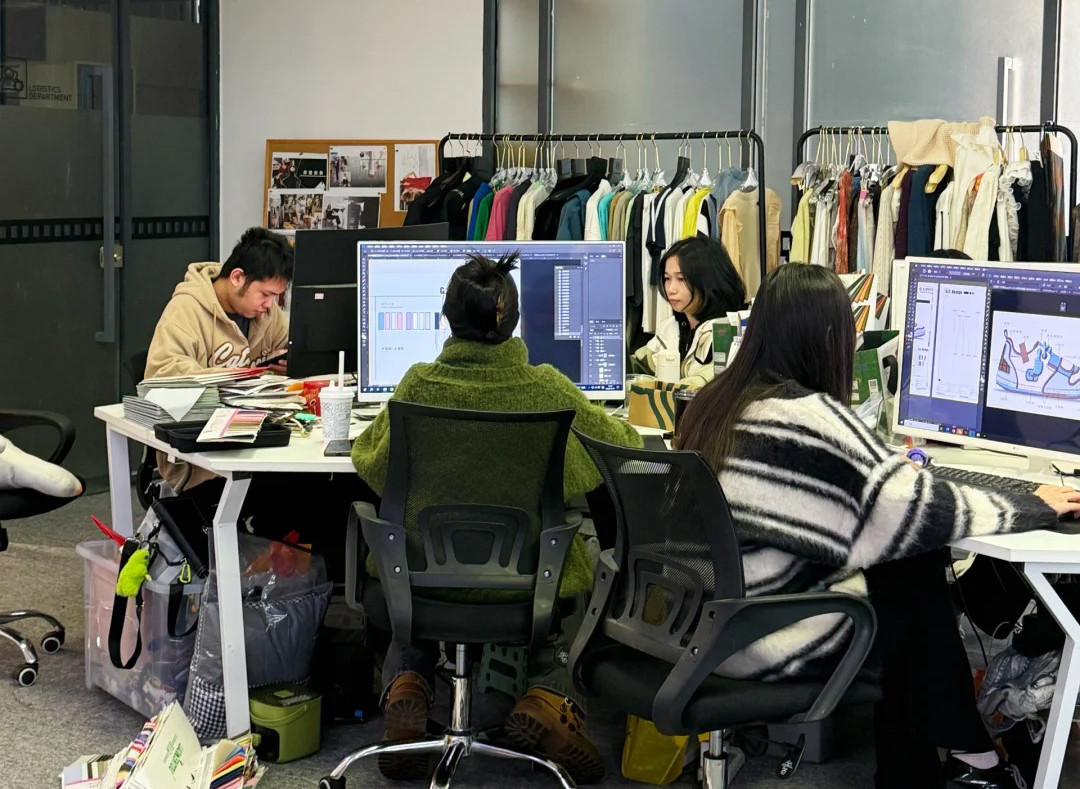
Custom apparel manufacturing is a complex process that involves multiple stages, stakeholders, and variables—making it prone to various challenges. For brands, these challenges can lead to delayed deliveries, increased costs, and compromised quality, all of which can harm brand reputation and customer loyalty. Understanding and proactively addressing these common challenges is essential for a smooth and successful custom apparel production process. In this post, we’ll highlight the most common challenges and share practical solutions to overcome them.
1. Quality Inconsistencies
One of the most prevalent challenges in custom apparel manufacturing is quality inconsistencies. This can occur due to variations in raw materials, inconsistent production processes, or lack of rigorous quality control. Poor quality not only disappoints customers but also leads to returns, refunds, and wasted resources. To overcome this challenge, establish clear quality standards with your manufacturer and implement a comprehensive quality control system that covers every stage of production. Conduct regular inspections of raw materials, work-in-progress garments, and finished products. Additionally, provide detailed feedback on samples and work closely with your manufacturer to address any quality issues promptly. By prioritizing quality and maintaining open communication, you can ensure consistent product quality.
2. Communication Gaps Between Brands and Manufacturers
Communication is the backbone of any successful custom apparel partnership, but gaps are common—especially when working with manufacturers in different regions or time zones. Misunderstandings about design specifications, timelines, or costs can lead to costly errors and delays. The solution is to establish clear and efficient communication protocols from the start. Use a single point of contact for all communications, share detailed tech packs with clear illustrations and specifications, and use collaborative tools to track progress. Schedule regular check-ins to discuss updates and address any questions. For international partnerships, consider time zone overlaps for meetings and use translation tools if necessary to ensure clarity. Clear communication eliminates misunderstandings and keeps the production process on track.
3. Supply Chain Disruptions
Supply chain disruptions—such as material shortages, transportation delays, or geopolitical issues—can significantly impact custom apparel production. These disruptions are often unexpected and can derail production timelines, leading to missed deadlines. To mitigate this risk, diversify your supply chain by working with multiple fabric and material suppliers. This ensures that you have alternative sources if one supplier faces issues. Additionally, plan ahead and maintain safety stock of critical materials, especially for popular or hard-to-find fabrics. Stay informed about global events and market trends that could affect the supply chain, and work with your manufacturer to develop contingency plans for potential disruptions. Proactive supply chain management helps minimize the impact of unexpected issues.
4. Rising Production Costs
Rising costs of raw materials, labor, and transportation are major challenges for custom apparel brands. These cost increases can eat into profit margins and force brands to raise prices, which may deter customers. To address this, optimize your production process to reduce waste and improve efficiency. For example, using efficient pattern cutting techniques can minimize fabric waste, while streamlining production lines can reduce labor costs. Negotiate long-term contracts with suppliers to lock in favorable pricing for materials. Additionally, consider producing in larger batches for core products to take advantage of economies of scale, while keeping small batches for seasonal or limited-edition items. Regularly review your production costs and look for opportunities to optimize without compromising on quality.
5. Meeting Tight Deadlines
In the fast-paced fashion industry, brands often face tight deadlines to launch new collections or meet seasonal demand. Meeting these deadlines can be challenging, especially if there are delays in sampling, production, or shipping. To overcome this, start the production process early and create a detailed timeline with realistic deadlines for each stage. Prioritize tasks and focus on critical path activities that directly impact the launch date. Work with a manufacturer that offers expedited production services for time-sensitive orders. Additionally, streamline the sampling process by providing prompt feedback and finalizing designs early. By planning ahead and working with a responsive manufacturer, you can meet tight deadlines without compromising on quality.
Custom apparel manufacturing comes with its share of challenges, but with proactive planning, clear communication, and strategic problem-solving, these challenges can be overcome. By addressing quality inconsistencies, improving communication, mitigating supply chain risks, optimizing costs, and planning for tight deadlines, brands can ensure a smooth production process and deliver high-quality custom apparel to their customers. Remember, building a strong partnership with your manufacturer is key—together, you can navigate challenges and achieve long-term success.
