

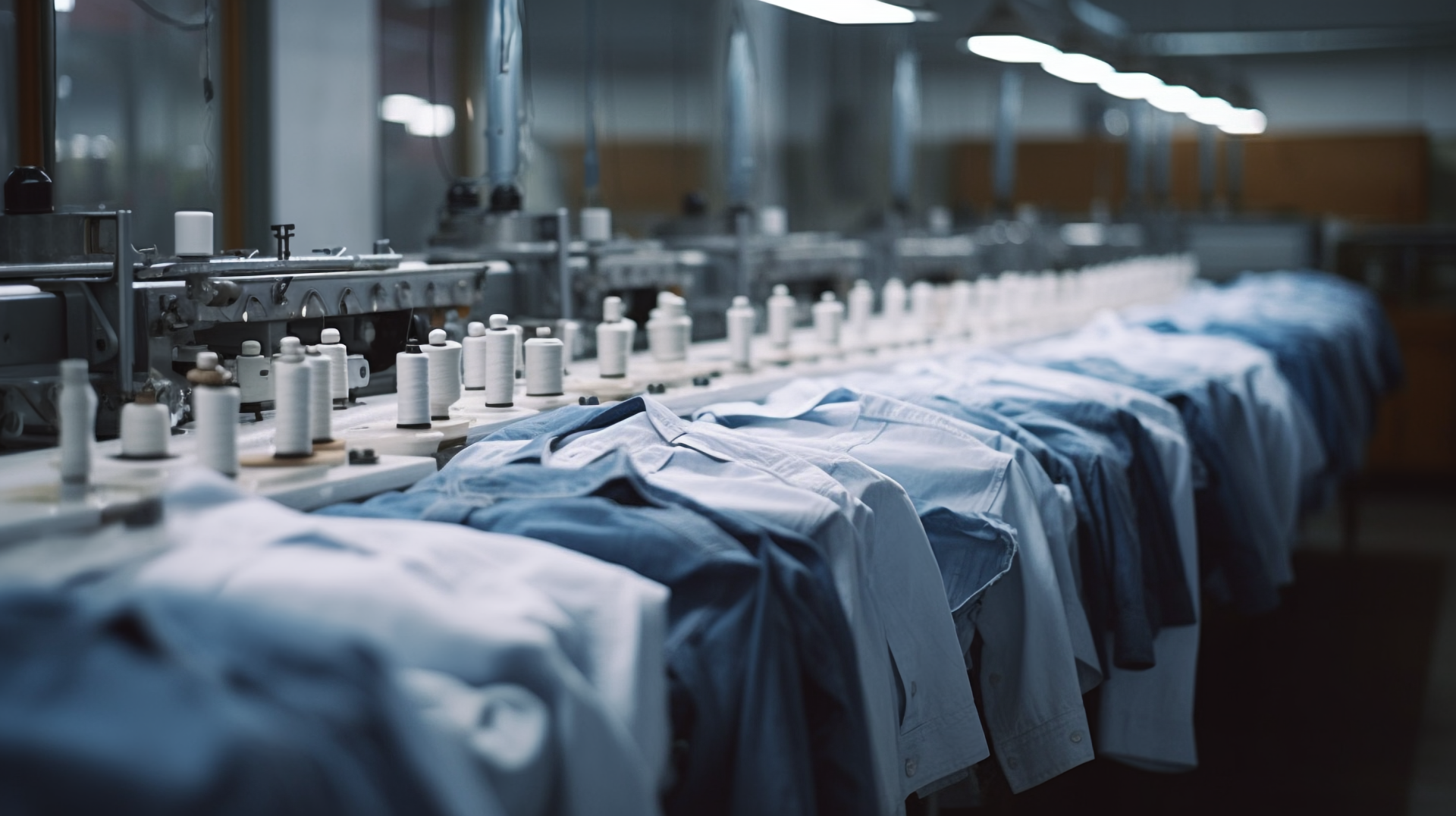
Key Considerations for Apparel Production Planning and Timelines. Effective production planning is critical for the success of any apparel brand, as it ensures that products are produced and delivered on time, meets customer demand, and minimizes costs. However, apparel production planning is a complex process that requires careful consideration of multiple factors, from demand forecasting to material sourcing and production lead times. For brands of all sizes, understanding these key considerations is essential to avoid delays, overstocking, or stockouts. In this post, we’ll outline the critical factors to keep in mind when planning your apparel production and setting realistic timelines.
1. Demand Forecasting and Order Quantity Planning
The first step in production planning is accurate demand forecasting. This involves analyzing historical sales data, market trends, seasonal fluctuations, and customer feedback to predict how many units of each style you’ll need to produce. Accurate demand forecasting helps you avoid overproduction (which leads to deadstock and wasted resources) and underproduction (which leads to stockouts and lost sales) . For new styles or startups without historical data, consider conducting market research, testing small batches, or using pre-orders to gauge demand. Once you have a clear understanding of demand, you can determine the optimal order quantity for each style. It’s also important to factor in buffer stock for popular styles to account for unexpected increases in demand.
2. Material Sourcing and Lead Times
Material sourcing is a critical component of production planning, as delays in fabric or trim delivery can derail the entire production timeline. When planning your production, you need to account for the lead times required to source materials, which can vary depending on the type of fabric (e.g., custom-dyed fabrics may take longer than standard fabrics) and the supplier’s location. It’s recommended to start sourcing materials well in advance of your desired production start date—ideally 4-8 weeks before production begins. Additionally, work with reliable suppliers who have a track record of on-time delivery. Consider diversifying your supplier base for key materials to reduce the risk of delays due to material shortages or supplier issues. Finally, ensure that you have a clear understanding of material costs and minimum order quantities, as these can impact your production budget and order quantity planning.
3. Production Lead Times and Scheduling
Production lead times (the time from when production begins to when finished products are ready for delivery) vary depending on the complexity of the design, the order quantity, and the manufacturer’s capacity. When setting production timelines, it’s important to work with your manufacturer to determine realistic lead times for each step of the production process, including sampling, cutting, sewing, quality control, and packaging. Sampling is a crucial step that should not be rushed—allow ample time for sample development, review, and revisions to ensure that the final product meets your expectations. It’s also important to build in buffer time for unexpected delays, such as equipment breakdowns, labor shortages, or quality issues. Creating a detailed production schedule that outlines each step and its deadline can help keep the process on track and ensure that all team members (including your manufacturer) are aligned.
4. Contingency Planning for Unexpected Delays
Even with careful planning, unexpected delays can occur in apparel production. This is why contingency planning is essential. Identify potential risks that could impact your production timeline, such as material shortages, shipping delays, or manufacturer capacity issues, and develop strategies to mitigate these risks. For example, if your primary fabric supplier is delayed, have a backup supplier ready to fulfill the order. If sea freight is delayed, consider air freight as an alternative (even if it’s more costly) to meet your delivery deadline. Additionally, build extra time into your production timeline to accommodate unexpected delays—aim for a buffer of 1-2 weeks. By planning for the unexpected, you can minimize the impact of delays on your product launches and customer satisfaction.
5. Coordination with Manufacturers and Suppliers
Effective coordination with your manufacturer and suppliers is key to successful production planning. Maintain regular communication with your manufacturer to ensure that they understand your production requirements, timeline, and quality standards. Provide them with all necessary information (such as tech packs, design specifications, and material requirements) well in advance to avoid delays. Similarly, communicate regularly with your material suppliers to track the status of your orders and address any issues promptly. Consider scheduling weekly or biweekly check-ins with your manufacturer and suppliers to stay updated on progress and resolve any concerns. A collaborative approach to coordination ensures that everyone is on the same page and working towards the same goal of on-time, high-quality production.
Apparel production planning and timeline management require careful consideration of demand forecasting, material sourcing, production lead times, contingency planning, and coordination. By taking the time to plan effectively and account for potential risks, you can ensure that your production process runs smoothly, your products are delivered on time, and your brand maintains a positive reputation with customers. Whether you’re a small startup or a large established brand, effective production planning is essential for long-term success in the apparel industry.
